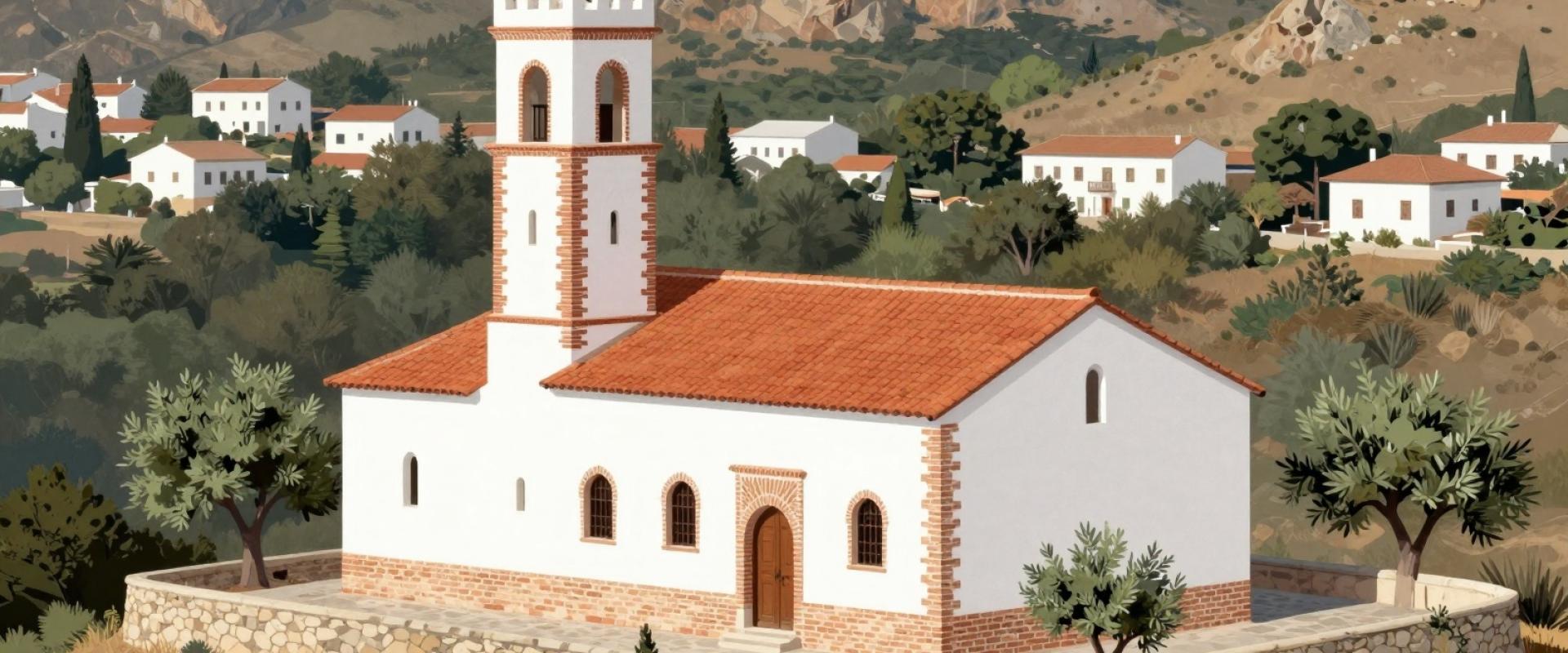
Spanish Mosque (Mosque of the Spaniards)
1920s Spanish-built mosque atop Chefchaouen's hill
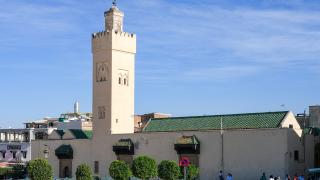
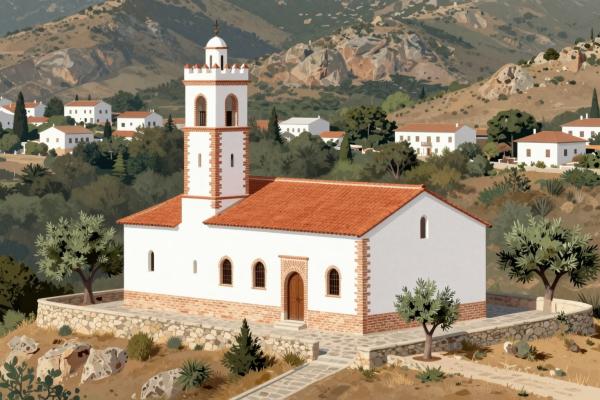
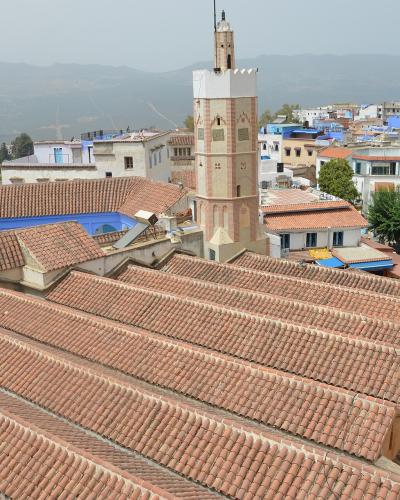
The Spanish Mosque, also known as the Mosque of the Spaniards, is a prominent landmark situated on a hilltop overlooking the blue-washed medina of Chefchaouen. Built in the 1920s by Moroccan refugees who had lived in Spain during the Rif War, the structure serves as a tangible reminder of the complex historical ties between Morocco and Spain. Its architecture reflects this heritage, featuring distinct Spanish Moorish design elements that contrast with the traditional Moroccan styles found elsewhere in the region.
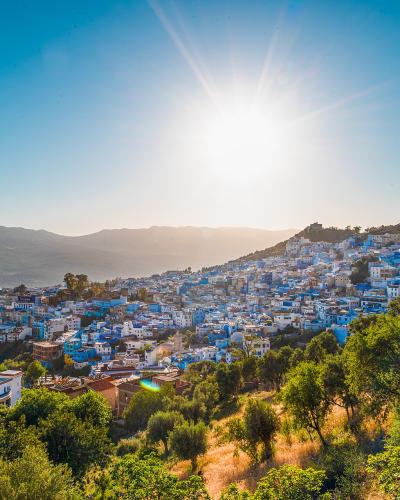
For visitors, the mosque offers one of the most rewarding panoramic views in Chefchaouen. The climb to the site is moderate, involving a steep ascent through narrow streets and residential areas, which provides an opportunity to observe daily life in the upper parts of the town. Upon reaching the summit, travelers are greeted by a serene courtyard and the mosque itself, which is characterized by its white walls and elegant arches. The view from the terrace encompasses the entire medina, the surrounding Rif Mountains, and the valley below, making it a favorite spot for photography and quiet contemplation.
The site is open to non-Muslim visitors, though modest dress is required, and visitors are expected to maintain a respectful silence during prayer times. The atmosphere is peaceful, offering a stark contrast to the bustling souks in the medina below. While the mosque is a significant historical site, it remains a place of worship for the local community, so visitors should be mindful of its religious function. The journey to the Spanish Mosque is as much about the experience of the climb and the changing perspectives of the town as it is about the destination itself. It stands as a symbol of resilience and cultural exchange in the heart of the Rif Mountains.
More photos coming soon
Nearby Attractions
Other places to visit in Chefchaouen
Frequently Asked Questions
Quick Facts
Best Time to Visit
Visit in spring or autumn for mild temperatures ideal for hiking and exploring the blue streets comfortably.