- Where
- Agadir, Souss-Massa
- Directions
- Directions
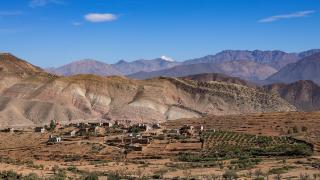
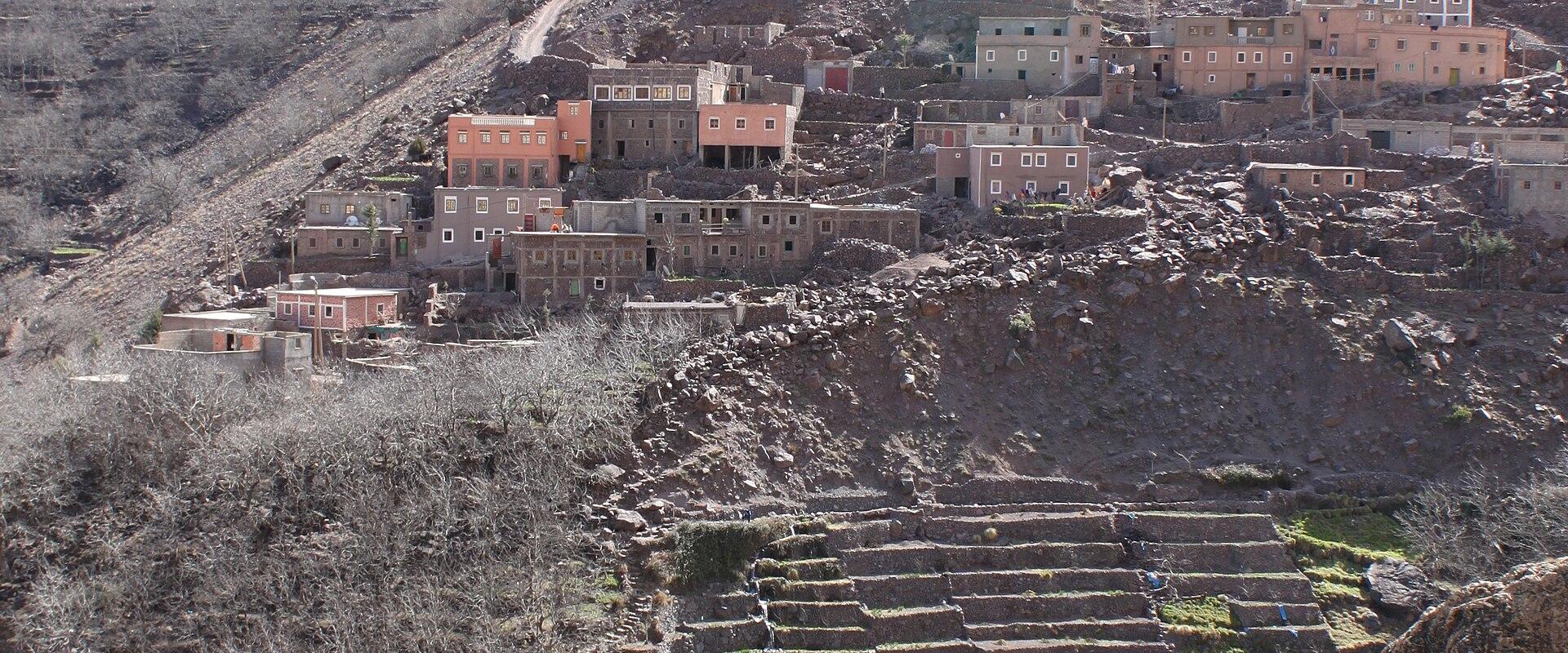
The terraced villages of Ida Ou Tanane, also written Ida-Ou-Tanane, lie in the Western High Atlas, northeast of Agadir, in a district known for almond groves, argan trees and honey. They are among the most visually striking examples of Moroccan mountain farming in the south, where whole hillsides have been shaped into steps over many generations. The area is the traditional homeland of the Ida Ou Tanane Amazigh tribe, and the main centre is Imouzzer Ida Ou Tanane, a small town at an altitude that gives it a cooler climate than the coast. Many villagers still live much as their ancestors did, with family fields, flocks and shared water.
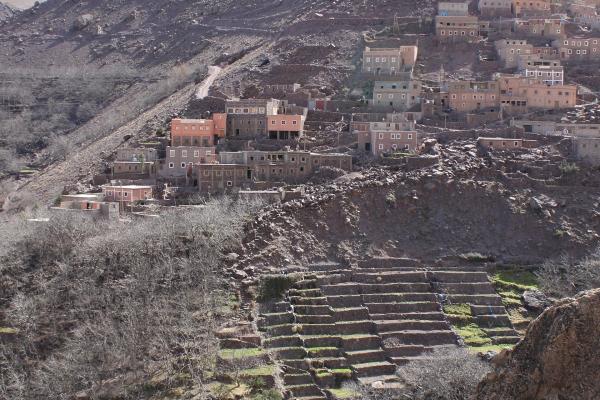
Terracing is the key to everything. On slopes too steep to farm, builders created narrow flat platforms held by stone retaining walls, filled them with soil and planted them with almonds, figs, olives, barley and vegetables. The terraces trap soil and slow runoff, which reduces erosion during the heavy rains that sometimes fall in winter and spring, and they allow water from springs and streams to be shared along the slope by small channels. The scale of the labour is hard to imagine, since the walls are built by hand from local stone and must be repaired every year, a task that falls to each family and is often done communally.
The villages themselves are made of the same stone and earth. Houses of two or three storeys cluster on the hillside, with flat roofs used for drying fruit and figs, and narrow lanes wind between them. Almond trees bloom in late winter, turning slopes white and pink, while in spring the hillsides are green with barley. Argan trees grow on the lower, drier terraces. The district also lies on the route sometimes called the Honey Road, and stalls along the roadsides sell thyme honey, almonds and amlou. A weekly souk in the area, reportedly held on Thursday, brings together farmers and traders, and visitors can see the exchange of livestock, produce and household goods.
Waterfalls near Imouzzer are at their best after winter and spring rains, from around March to May, and they are a pleasant objective for a short walk. Visiting by car is easiest, with a rental or a grand taxi from Agadir, and mountain roads are winding and narrow, so drive carefully. A local guide can lead longer walks between villages and introduce families who offer tea.
Visitors should dress modestly, ask before photographing people and stay on paths so as not to damage terrace walls or crops. The villages suit walkers, photographers and travellers who want to see a different Morocco from the coastal resorts. An overnight stay in a guesthouse is the best way to see the hillsides at dawn, and the experience is one of quiet and slow rhythms.
Categories
More photos coming soon
Nearby Attractions
Other places to visit in Agadir
Tamraght Village
Relaxed Atlantic village with authentic culture and surf
Activities & Adventure · Coastal & Maritime
Kasbah of Agadir
16th-century fortress with panoramic city views
History & Heritage · Traditional Culture
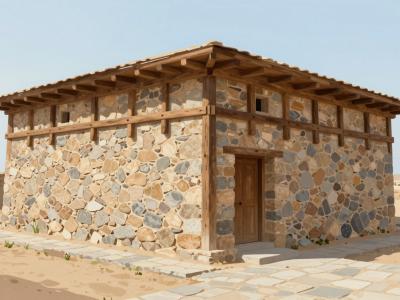
Agadir Museum
Museum dedicated to the 1960 Agadir earthquake
Cultural Experiences · History & Heritage
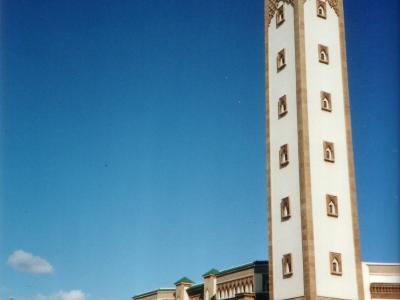
Mosque of Agadir
Largest mosque in Agadir, built in 1960
Architecture · Religious Sites
Questions people ask
Quick Facts
Best Time to Visit
All year for sun: January highs average about 21 °C and August about 27 °C. Most of the little rain falls from November to March; the sea is warmest (about 23 °C) in September and October.