







- Where
- Tetouan, Tangier-Tetouan
- Directions
- Directions
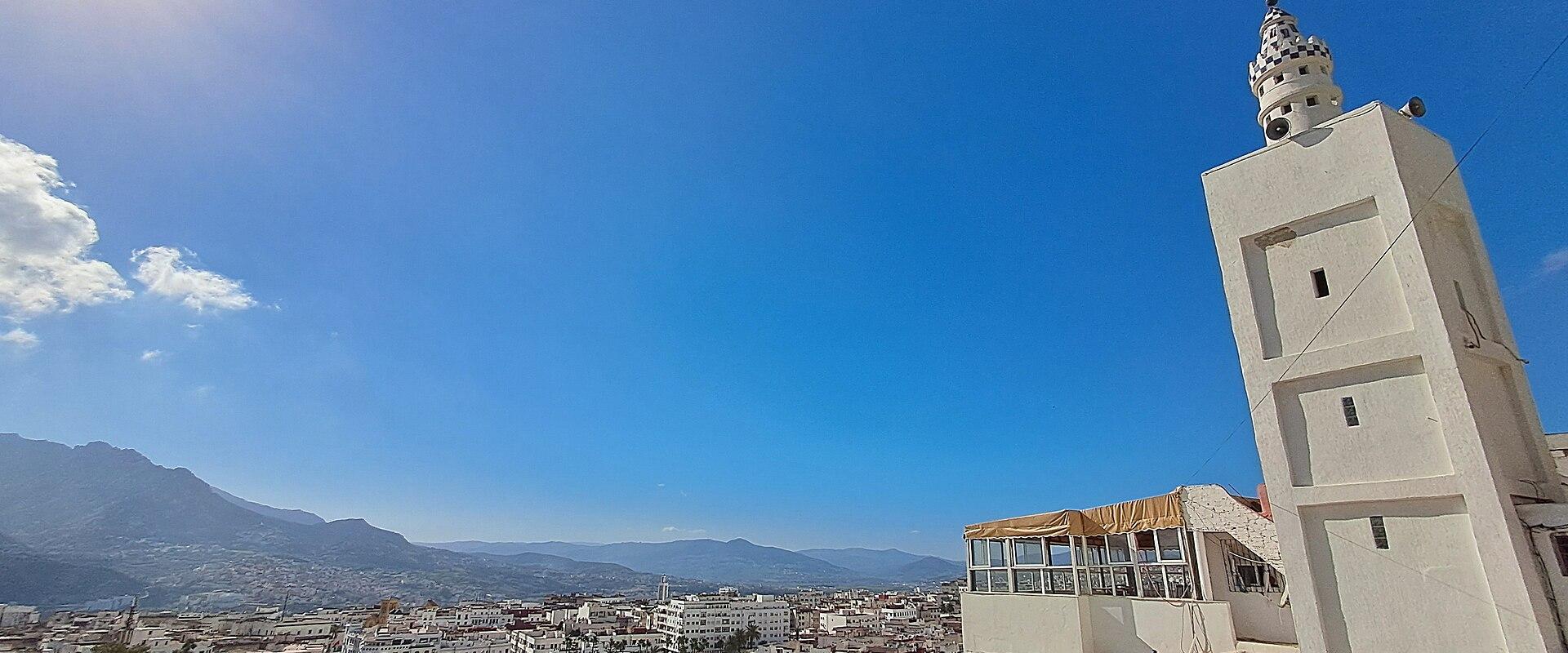
The Medina of Tetouan is a white-walled old city in northern Morocco, inscribed as a UNESCO World Heritage Site in 1997, and it is often described as the most Andalusian of Moroccan medinas, with an Arab, Berber and Andalusian blend. Its story begins with the Reconquista in Spain. After the Christian conquest of Granada and other Muslim cities, refugees crossed the strait and settled in northern Morocco, and in the late fifteenth century a group of exiles led by a Granadan commander rebuilt Tetouan, which had been destroyed earlier, as a fortified town. Over the next centuries it grew into a prosperous port and trading centre, and the newcomers brought building styles, crafts, music and cooking that are still visible today.
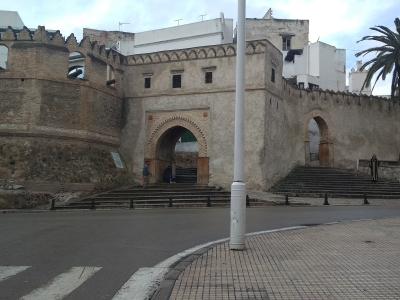
Visitors will find the layout compact and easy to follow compared with the labyrinths of Fez. Whitewashed houses with wooden doors, wrought-iron balconies and tiled panels line the lanes, which are often narrow but regular. Several gates, among them Bab el-Okla, lead into the old city, and each opens onto a different quarter and set of markets. Squares such as the Feddan, at the edge of the medina, mark the transition between the old city and the Spanish-built districts that grew up when Tetouan was the capital of the Spanish protectorate in the north. The mix of Moroccan, Andalusian and Spanish influences gives the town a distinctive character, and many residents speak Spanish as well as Arabic, a sign of the long link between Spain and North Africa.
Walking through the medina is rewarding for its craft traditions. Workshops produce embroidery, leather, woodwork, pottery and the zellij tilework characteristic of the region. The school of traditional arts, founded under the protectorate, trains young craftsmen and shows how skills are passed on. Food is another draw: pastries, olives, cheeses and the cooking of the north reflect Andalusian and Berber influences. Early in the morning, bakeries, vegetable stalls and fishmongers set up in the lanes, and the market atmosphere is more local than touristy.
Cultural landmarks include the Kasbah, where museums display local history and crafts, the Museum of Art and Popular Traditions, the old Jewish quarter and several historic mosques and fondouks. A local guide can help explain the layers of history and open doors that visitors might otherwise miss. Dress modestly, ask before photographing and be prepared to bargain politely. Comfortable shoes are essential, since the lanes climb and are sometimes uneven.
The medina suits those interested in Andalusian heritage, architecture and craft, and it makes a quieter alternative to larger medinas in the south. Tetouan is a short drive from the Mediterranean coast and from Chefchaouen, so it fits well into a northern itinerary, and a day is enough to see the main sights while two give time to enjoy the atmosphere. Many visitors are surprised by how calm it feels, and by how much of North Africa's connection with Spain can be traced in its streets.
More photos coming soon
Questions people ask
Quick Facts
Best Time to Visit
Visit in spring or autumn for mild temperatures ideal for exploring the medina and coastal areas comfortably.