







- Where
- Tetouan, Tangier-Tetouan
- Directions
- Directions
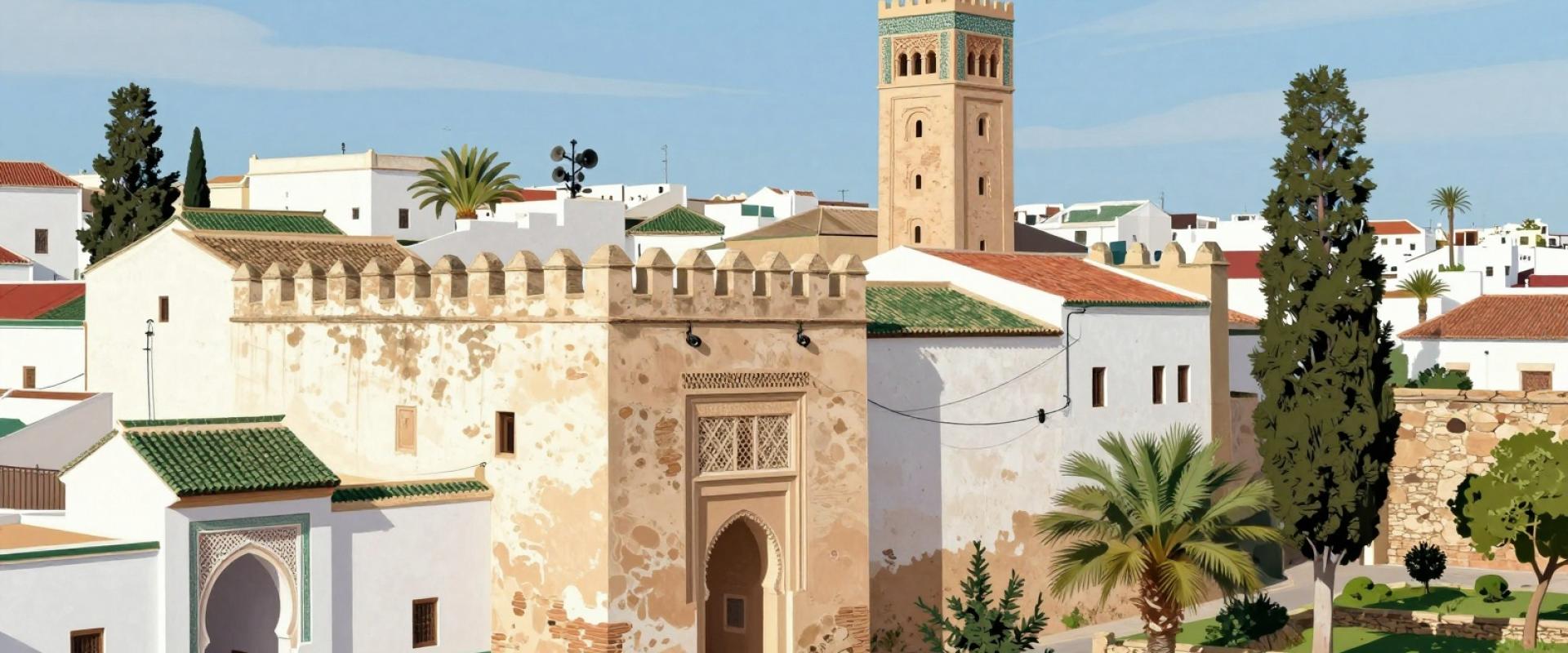
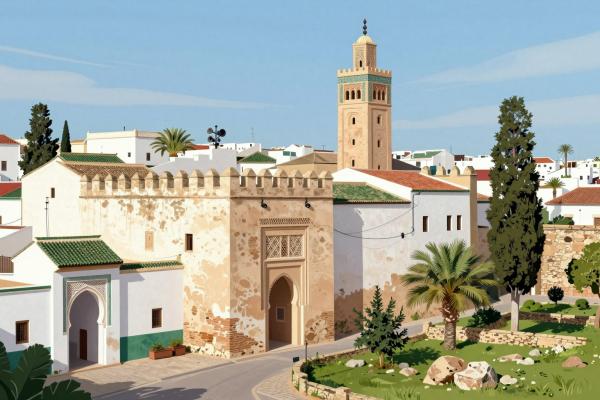
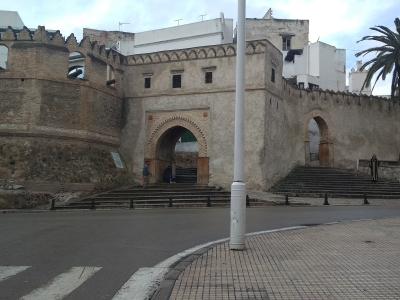
The Kasbah of Tetouan is the old fortified citadel of a city whose medina is a UNESCO World Heritage Site, and it belongs to the defensive system that protected Tetouan in the centuries after Andalusian refugees rebuilt the town in the late fifteenth century. Like other kasbahs in Morocco, it was a stronghold within or beside the city, a place where garrisons, officials and stores were kept and where the ruler or governor could retreat in an emergency. Thick walls and bastions, sometimes with ramparts that could be walked, provided protection against attackers from the sea and the mountains, and they remain a feature of the northern skyline.
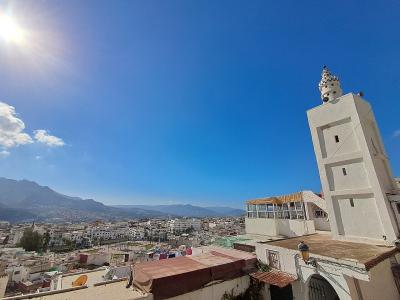
The Kasbah's surroundings explain a lot. Tetouan lies between the Rif mountains and the Mediterranean, in a fertile valley, and for centuries it was a gateway between Morocco and Spain. In the early modern period it was a port where corsairs, merchants and diplomats mixed, and its defences needed to guard against threats from many directions. In the twentieth century it served as the capital of the Spanish protectorate in the north, which left a layer of Spanish architecture in the new town beside the old. The Kasbah is part of this long story, and in places the stone and brick of different centuries can be read in the walls.
A visit usually combines the fortified buildings with the lanes around them. Streets near the walls are lined with traditional houses and small workshops, and the cobbled surfaces are uneven, so comfortable shoes are important. The Kasbah can be explored on foot as part of a walk through the medina, and it forms a natural link between the old city and the more modern streets that surround it. We could not confirm what is open inside, so check on the day. Guided tours, when available, help explain the layers of building.
Visitors should treat it as a quiet corner rather than a major attraction. The pace is slow, and the atmosphere is local, with residents going about daily life. Dress modestly, ask before photographing people and take care on steps and slopes. The best time is early morning, when the light is soft and the streets are calm.
The Kasbah suits those interested in military history, Andalusian heritage and the details of old city planning, and it is best combined with the Medina of Tetouan, the Museum of Art and Popular Traditions and the artisan school. A short visit of an hour is enough, and the neighbouring cafés provide a place to rest. It adds depth to a visit to Tetouan, showing how the city was defended as well as how it was decorated.
More photos coming soon
Questions people ask
Quick Facts
Best Time to Visit
Visit in spring or autumn for mild temperatures ideal for exploring the medina and coastal areas comfortably.