
- Where
- Rabat, Rabat-Salé-Kénitra
- Directions
- Directions
The Chellah is the walled archaeological garden on the southern edge of Rabat, above the Bou Regreg River, where a Roman town and a medieval royal necropolis sit side by side. It is best approached as a walk with two parts: the Roman ruins in the lower section and the Islamic Marinid complex above them. The place has been settled for a very long time. Before the Romans, the site was home to a trading settlement in contact with Phoenician and Carthaginian merchants, and under Rome it became Sala Colonia, a town on the far Atlantic edge of Roman Morocco, in the province of Mauretania Tingitana. The Romans left in the third century, but the town was never entirely abandoned.
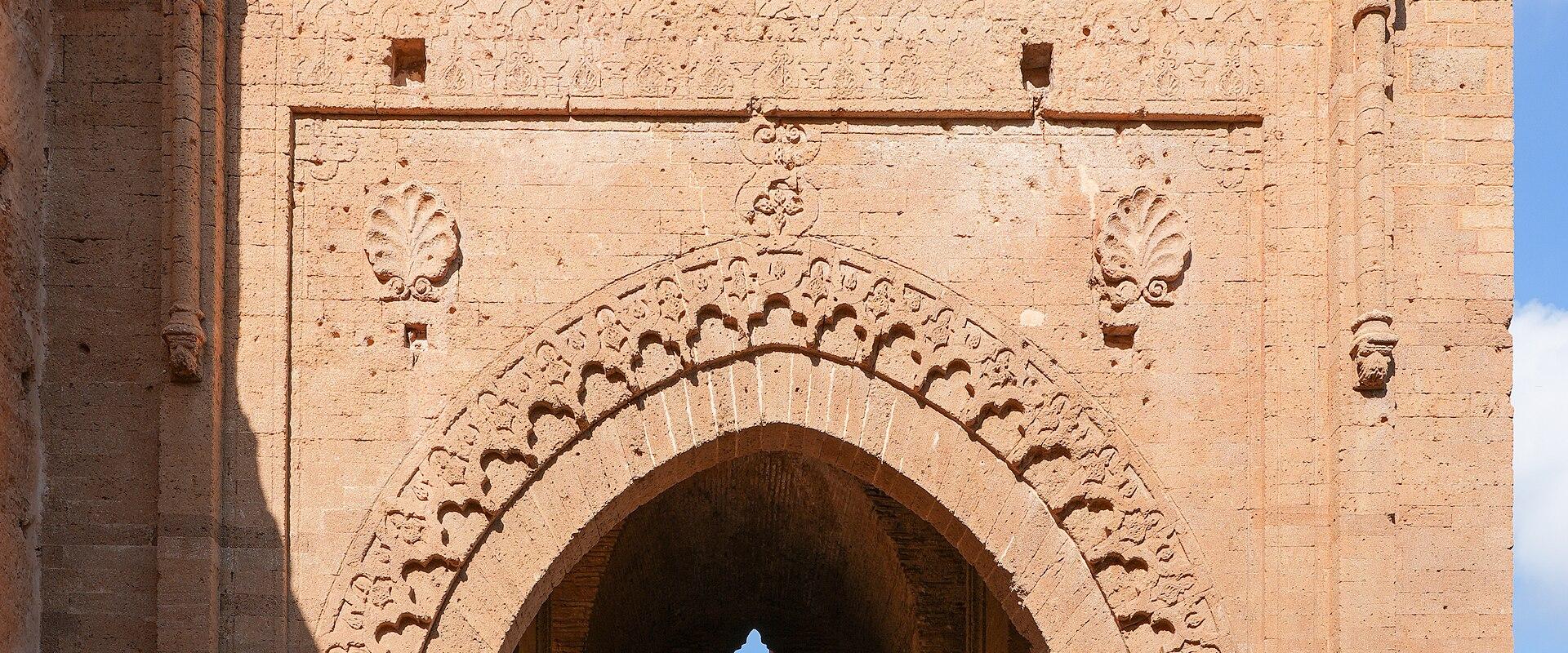
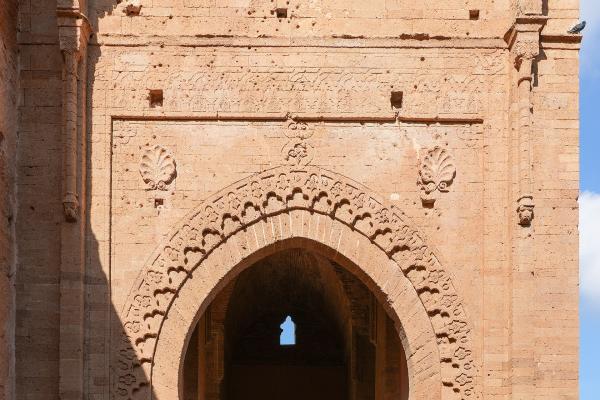
The monumental entrance is the Marinid gate, built in the fourteenth century under Sultan Abu al-Hasan, with two polygonal towers and bands of carved stone and tile around the arch. Passing through it, you descend a path through gardens of fruit trees, flowers and wild plants to the Roman level. Here are the remains of the main street, the decumanus, with paving stones still in place, the base of a forum and a triumphal arch, fragments of columns, a former temple platform and the foundations of shops and baths. The ruins are low and overgrown, which makes them feel more like a garden than an excavation, and information panels explain the sections.
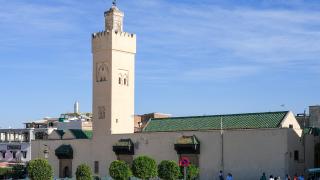
The upper section holds the Marinid necropolis. The sultans of the dynasty chose this ancient site for a royal burial ground, and within it stand the ruins of a mosque, a zawiya, the remains of cells for pilgrims and a tall minaret decorated with green tile bands. White storks nest on the minaret and on the walls, and their bill-clapping is a characteristic sound, especially in spring. A small pool is linked to local beliefs, with eels that visitors sometimes feed, and a shrine of a local saint draws women who come to ask for blessings. The atmosphere is one of picturesque decay, with ivy and fig trees growing out of walls.
The ground is uneven and there is little shade, so wear comfortable shoes and bring water. Opening hours, tickets and guided tour arrangements vary by season and by visitor category, and they have changed over time, so check locally before going. For visitors who want to understand what they are seeing, a guide or audio guide is useful, as the layers of history overlap.
Allow at least an hour, and aim for the morning or late afternoon, when the light is soft and the garden is at its best. The Chellah sits within the group of monuments recognised as Rabat’s World Heritage listing, and it combines well with the Hassan Tower and the Kasbah des Oudaias. It suits history readers, photographers and anyone who enjoys ruins in a garden setting.
More photos coming soon
Nearby Attractions
Other places to visit in Rabat
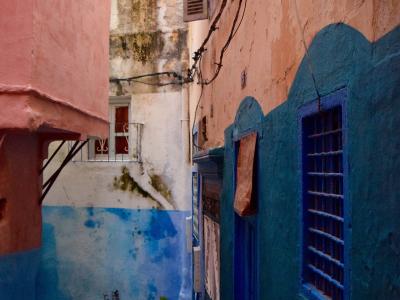
Oudaias Craft Museum
Ethnographic museum in Andalusian Kasbah
Local Crafts · Museums
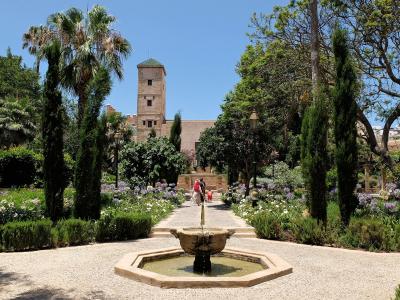
Andalusian Gardens
Terraced Spanish-Moorish garden in the 17th-century Kasbah
Architecture · Gardens
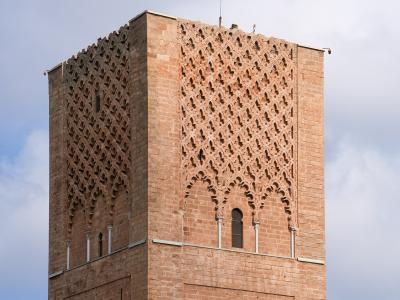
Hassan Tower
44m Almohad minaret, sole remnant of an unfinished 12th-c...
History & Heritage · Urban Exploration
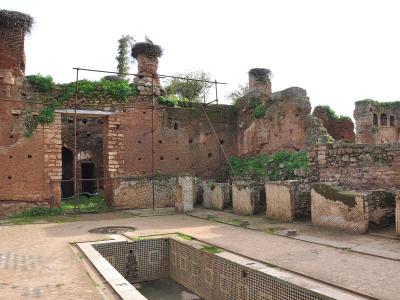
Chellah Necropolis
Roman ruins and Merinid tombs in Rabat
Cultural Experiences · History & Heritage
Questions people ask
Quick Facts
Best Time to Visit
Visit in spring or autumn for mild temperatures ideal for exploring historic sites and coastal areas comfortably.