







- Where
- Taroudant, Souss-Massa
- Directions
- Directions
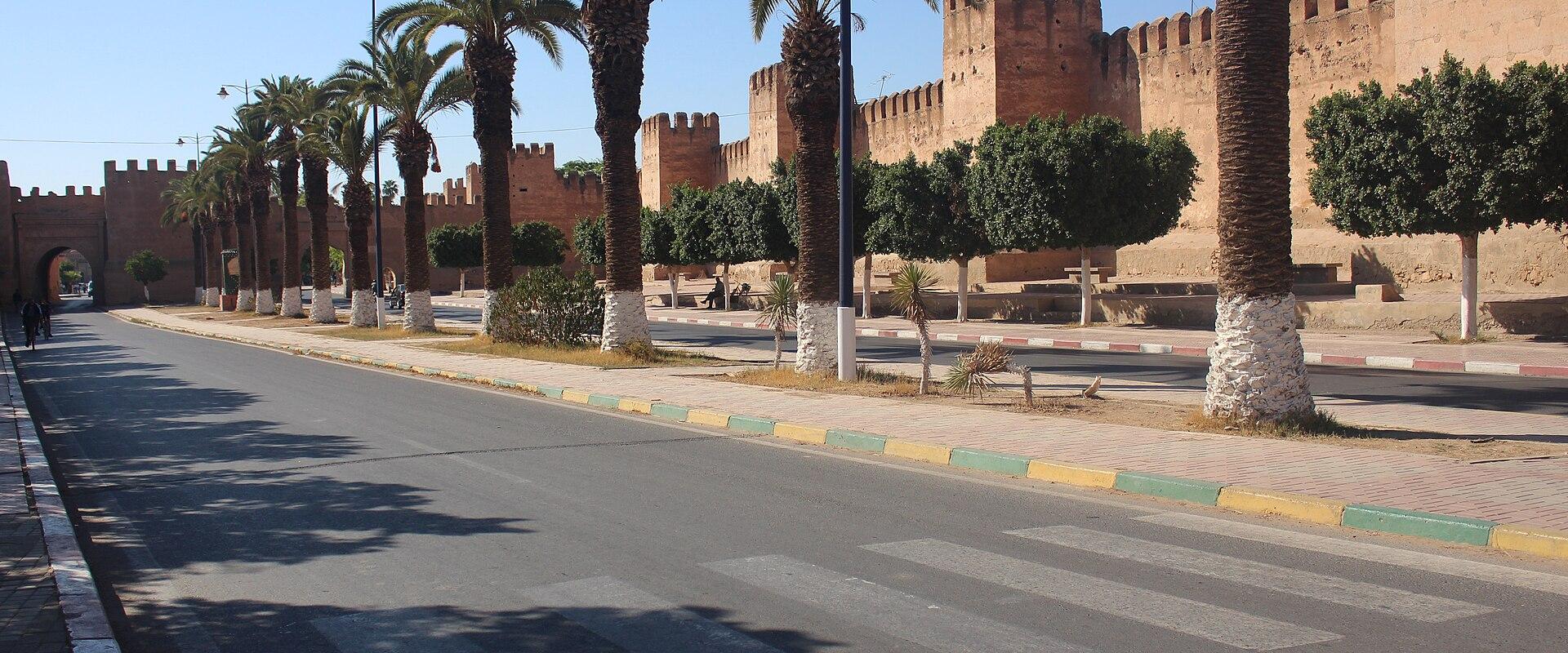
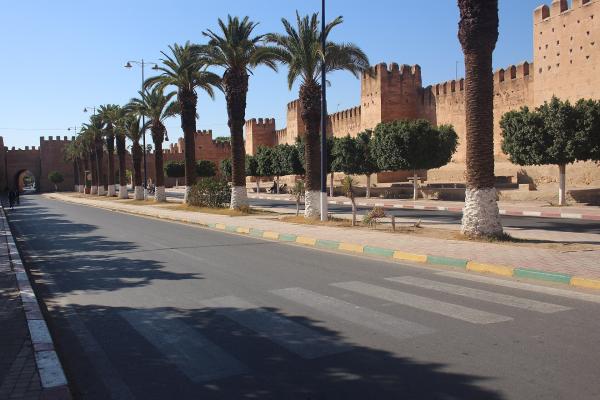
Taroudant’s ramparts are the town's defining feature, and the best way to appreciate them is to walk, cycle or ride beside them and to climb onto a section for a view. The walls run in an unbroken circuit of roughly seven and a half kilometres around the old town, built of rammed earth, a mixture of clay, gravel and lime packed into wooden forms, and their warm, honey-coloured surface changes with the light through the day. This colour, together with the walls' scale and the palm trees behind them, is why Taroudant is often called Little Marrakech, although the town is far quieter than its larger namesake and has the feel of a provincial Moroccan market centre.
The fortifications took their present form over several centuries. Taroudant was a significant town in the Souss Valley from medieval times, and in the sixteenth century the Saadian rulers made it their base before they took Marrakech, strengthening its defences. Later rulers repaired and extended the walls, and the Alaouite sultan Moulay Ismail added to the kasbah quarter in the seventeenth century. Square towers stand at regular intervals along the circuit, and a series of gates, some with elaborate arches, controls entry to the old town. The earthen construction needs regular repair, and in places you can see patches of newer material among older sections.
For a view, look for places where steps or ramps give access to the top. Near the kasbah gate, a stair allows visitors to climb onto a stretch of rampart and walk along the top, with a view over rooftops, courtyards and minarets on one side and orchards and fields on the other. In the distance, the High Atlas Mountains form a long blue line, often snow-capped in winter, and the contrast between the dry plain and the green belt of the oasis is striking. Sunset is the best time, when the walls glow orange and the sky turns pink, and the call to prayer drifts over the town.
Moving around the circuit is easy. The full loop takes about two hours on foot, less by bicycle, and horse-drawn carriages wait near the main squares to take visitors around, with prices that should be agreed in advance. Along the way, you pass gardens, small cafés, workshops and the occasional gate that leads into a quiet neighbourhood. In the heat of the day, shade is scarce, so start early or late, wear a hat and carry water. Walls and ramps can be uneven, and some sections are crumbling, so watch your footing and avoid climbing where there are no steps.
Dress modestly, ask before photographing people and respect private property along the wall. The ramparts suit walkers, photographers and anyone interested in defensive architecture, and they combine naturally with Place Assarag, the souks and the kasbah. A late-afternoon circuit with a pause for mint tea is the best way to see them, and it gives a sense of why the town has kept its character.
More photos coming soon
Nearby Attractions
Other places to visit in Taroudant
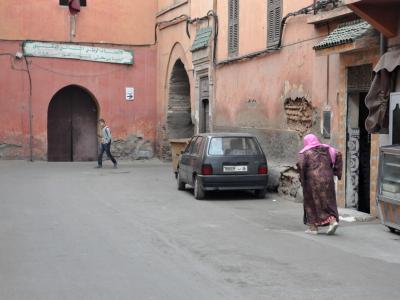
Mellah (Jewish Quarter)
Historic Jewish quarter within Taroudant's ramparts
Cultural Experiences · History & Heritage
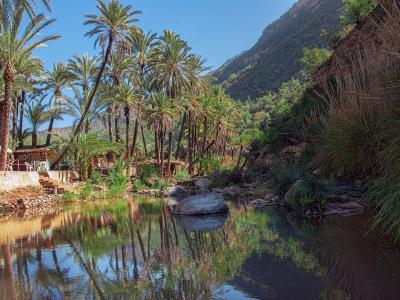
Souss Valley
Walled Berber city in the Souss Valley
Cultural Experiences · History & Heritage
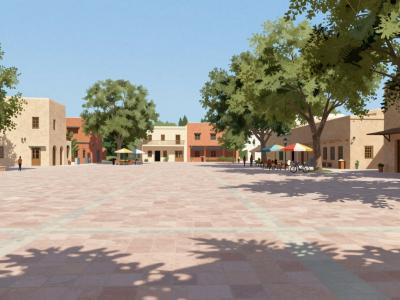
Place Assarag
Central square with cafes and occasional snake charmers
Free City Centers · Markets
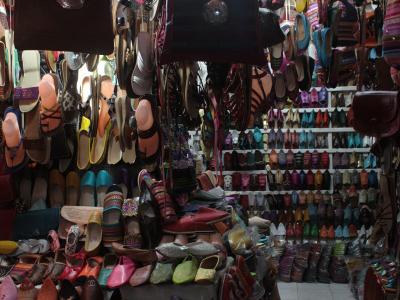
Souk El Had
Authentic local market for leather and spices
Free Local Crafts · Markets
Questions people ask
Quick Facts
Best Time to Visit
Visit between March and May or September and November for mild temperatures and comfortable conditions for exploring.