






Chasing the Cobalt Haze in Salé's Medina
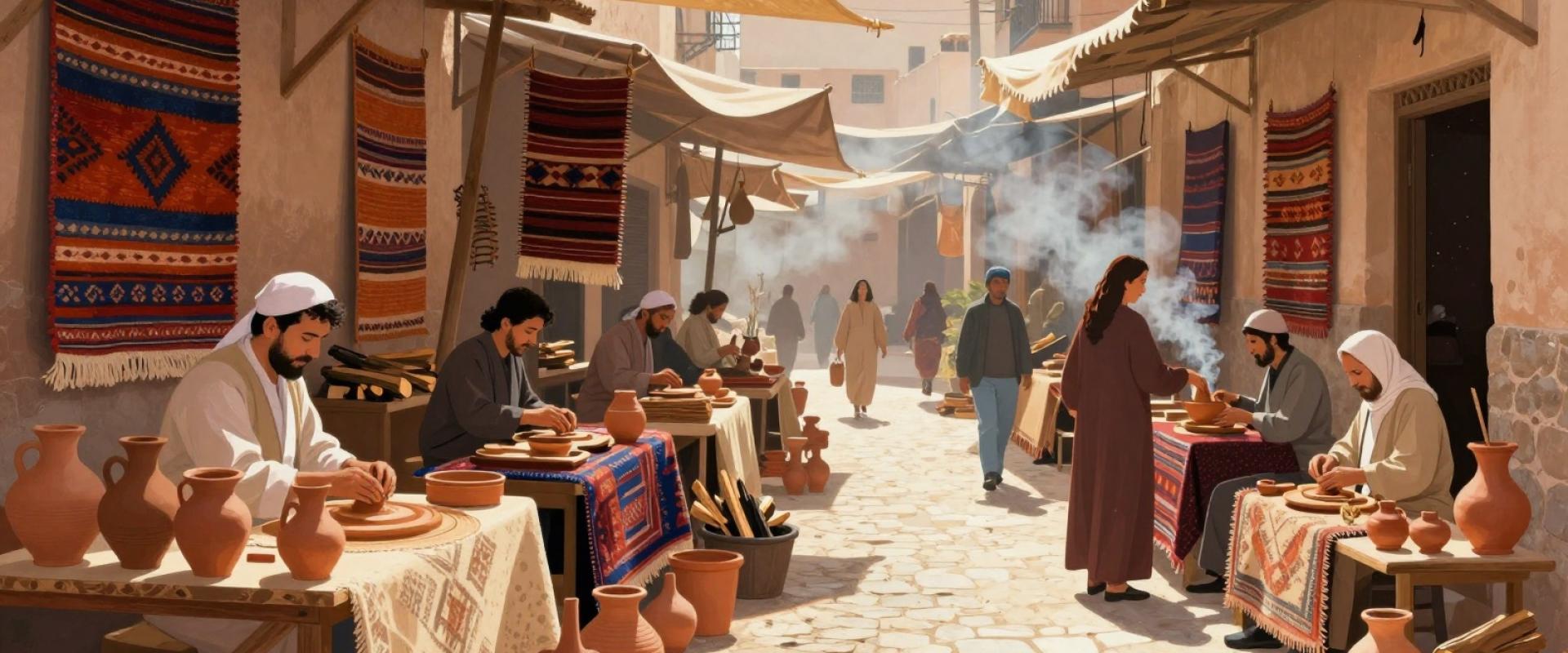
Salé’s medina exhales a mixture of wet clay and woodsmoke. A heavy, humid fog clings to your skin as you navigate the narrow, winding alleys. This is no curated tourist trap. It is a living archive of Moroccan craft, where history is literally molded by hand.
The region’s artistic identity hinges on the distinct 'Sali' style. Striking cobalt blue contrasts sharply against stark white glazes. These intricate geometric patterns date back to the Marinid dynasty, when craftsmen perfected techniques that remain largely unchanged today.
Workshops hide quietly in the Oulja district. Potters shape vessels on spinning wheels with rhythmic precision. Their work is raw and authentic. You will find no mass-produced souvenirs here, unlike in the crowded hubs of Marrakech or Fes.
Hold a tagine bowl. Its surface feels cool and smooth. Geometric designs adorn the exterior, patterns that have inspired artists for generations. The colors pop electrically against the muted, dusty tones of the surrounding architecture.
Each piece carries a story of endurance. Skilled artisans refuse to let their heritage fade. They pass these skills down through generations. The result is an object that balances beauty and utility perfectly.
Sunlight filters through narrow openings above. Dust motes dance in the beams. You can easily lose hours watching this quiet industry. The experience is immersive. It engages every sense without overwhelming you.
The cobalt haze is more than a visual trick. It invites you to slow down. Appreciate the artistry surrounding you. Bring curiosity. An open mind helps. Salé offers a profound glimpse into the soul of Moroccan craftsmanship. It is accessible. It connects you to the land and its people through the objects they create.
Drop the guidebooks and slip into the shadowed side streets branching off Rue de Fès. The main souks are choked with mass-produced imports that lack soul, so keep walking until the noise fades. Here, in the quieter alleys, the air carries the sharp tang of wet earth and the faint, sweet smoke of burning wood. It is a specific, intoxicating scent that signals you have found the real workshop districts.
Look for the remnants of the old Oulja pottery tradition. The potters may have moved, but the craft lingers in these narrow passages. You will see hands covered in gray slip, shaping vessels on slow-turning wheels. Ignore the shiny, factory-perfect pieces lined up for tourists. Instead, seek out the rough, honest texture of local craftsmanship. These items tell a story of patience and precision, not assembly lines.
Time your visit for late afternoon. The slanting sun hits the clay, revealing the subtle variations in glaze and form that midday light obscures. Bring small bills in dirhams, as vendors rarely accept cards. A simple bowl might run you 50 MAD, while a large vase could cost 200 MAD. Negotiate firmly but politely; it is part of the rhythm of the market.
Trust your instincts. If a stall feels too polished or the vendor too eager, turn the corner. The true artisans work in silence, their hands speaking louder than any sales pitch. This is not merely shopping. It is a direct connection to centuries of tradition. Feel the weight of the vessel in your hands. It is heavy with history. Salé rewards those who wander deeply. You will leave with treasures that reflect the quiet, enduring soul of Morocco.
The Art of the Haggles: Bargaining Like a Pro
Salé’s pottery heritage faces modern shifts, yet the spirit of negotiation remains vital for authentic finds. You must approach the Oulja artisans with respect and sharp eyes. Start your offer at exactly half the asking price. This is not rude; it is the standard opening move. Keep your expression neutral. If you smile too early, you signal weakness.
Inspect every tagine and vase for hairline cracks or uneven glazing. A flawed piece is worth significantly less. Walk away if the price feels inflated. This tactic often brings the seller back with a better offer. Build rapport by asking about their craft. Share a cup of mint tea if invited. This human connection transforms a transaction into a relationship.
I have seen tourists save hundreds of dirhams by simply waiting and observing. Do not rush the process. Patience pays off in Salé. The autumn air brings a crisp energy to the markets. Use this calm to think clearly. Your goal is a fair price, not the lowest possible. Respect the artisan’s time and skill. When you find a genuine piece, pay fairly. This supports the local economy and preserves traditional techniques.
The thrill of the deal is secondary to the quality of the object. Focus on the craftsmanship. Look for the unique fingerprints of the maker. Each piece tells a story. Your bargaining is part of that narrative. Engage with curiosity. Ask about the clay sources. Inquire about the firing methods. These questions show you are serious. They also open doors to better prices. Remember, the goal is mutual satisfaction. Leave the market with a smile and a beautiful pot. This is the true reward of bargaining like a pro.