
The Labyrinth’s Quiet Allure
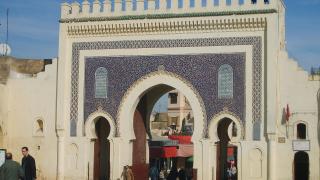
Leave your GPS at the hotel. It is useless here by design, for Fez el-Bali prioritizes intimate community over straight lines. As the world’s largest car-free urban zone, this ancient quarter operates on a logic that defies digital mapping. You cannot chart it; you must inhabit it.
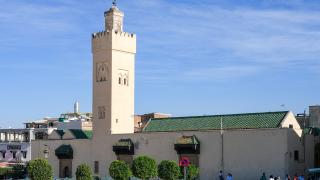
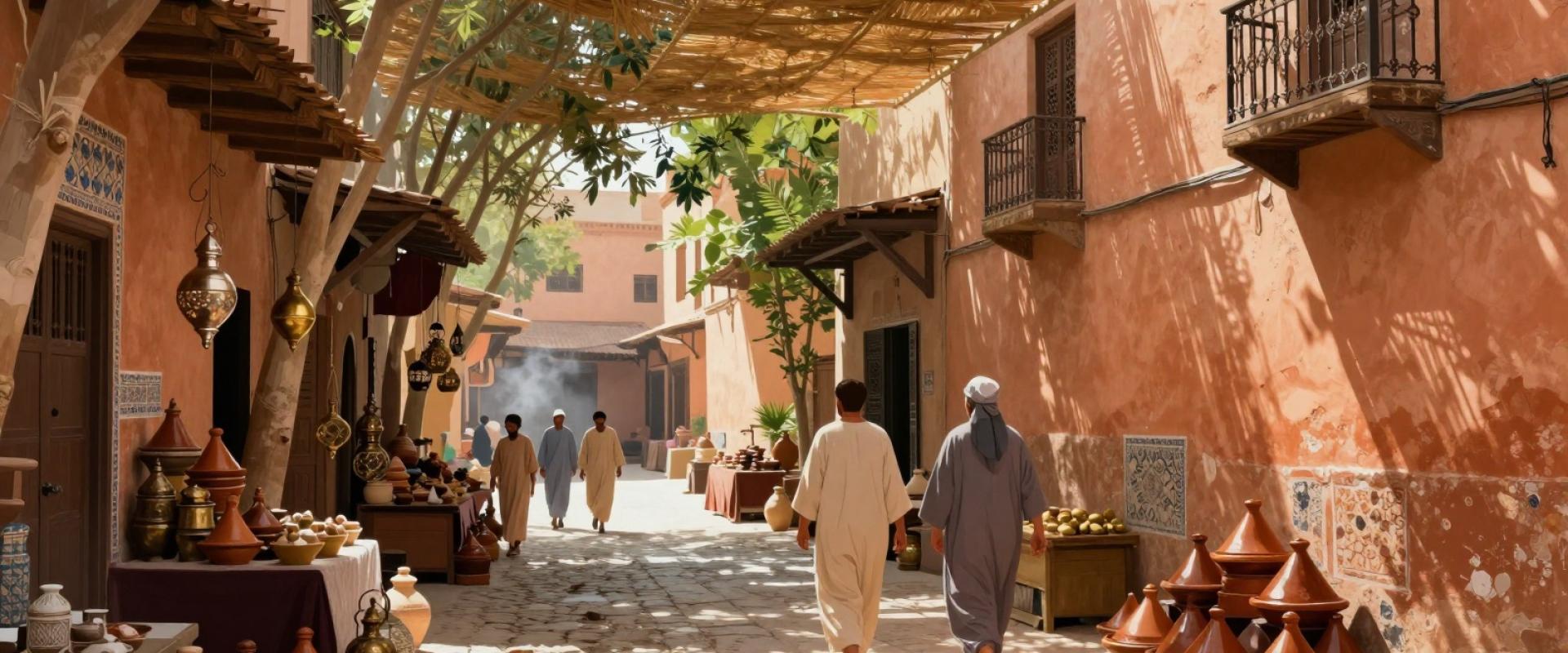
Scent and sound become your primary compass. Near the souks, heavy saffron lingers in the air, cutting through the fine dust of the streets. Soon, the call to prayer drifts from weathered minarets, weaving through the chaos with ancient precision. These sensory cues replace satellite data, guiding you with a subtlety no algorithm can replicate.
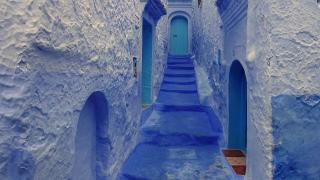
Hammers ring against copper in narrow alleys, creating a rhythmic backdrop that pulses through the city. Merchants arrange their wares with artistic care, turning commerce into a silent performance. The streets twist without obvious logic, yet they make perfect sense to those who slow down. Confusion melts into discovery the moment you stop fighting the current.
You are not lost. You are simply immersed in a living history. Trust the instinct to wander, and let the city lead. Every unexpected turn offers a deeper layer of heritage. This is not a failure of navigation. It is an invitation to truly see Morocco.
Anchors in the Ochre Maze
Digital maps dissolve into static within these ancient walls. The grid fails here. Abandon it.
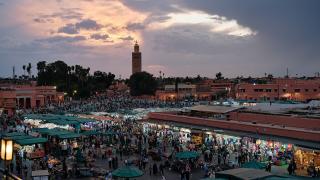
In Marrakech, the Koutoubia’s minaret rises like a crimson needle, pointing true north. Its shadow stretches across the Jemaa el-Fnaa, offering a reliable cardinal guide when the sun dips low. Fez demands a different eye. Look for the Bou Inania Madrasa. Its Zellige tiles shimmer in complex geometric patterns, marking the spiritual center of the labyrinthine medina.
Street names are fiction. They change, they fade, they lie. Instead, trust your senses. Listen for the call to prayer echoing from minarets. Watch how the narrow commercial souks give way to quiet residential riads. That shift signals a safer, more stable zone.
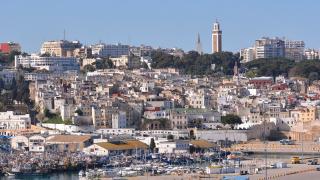
Tangier offers a different challenge. Steep alleys cascade toward the Mediterranean. Let the salty sea breeze guide you downhill. It is a natural compass.
These landmarks do more than point the way. They root you in history. Navigation becomes observation. You read the city’s bones. Disorientation turns into discovery. The maze rewards patience. You find your path through structure, not signal.
The Art of the Polite Inquiry
Forget your GPS. The medina’s winding alleys ignore grid systems, breathing instead with the pulse of centuries-old trade routes. Navigating this labyrinth requires a shift in mindset. Treat the journey as a conversation, not a conquest.
Start with As-salamu alaykum. This greeting unlocks doors more effectively than any compass. Without it, you remain a stranger demanding service. With it, you become a guest seeking wisdom. Try asking, "Could you guide me to the Tanneries?" Humility invites help where authority meets resistance.
In Fez el-Bali, this exchange carries weight. A simple question might lead you through the Souk des Chouariya. Here, merchants expect reciprocity. They offer directions but anticipate a shop visit or a leather purchase. This isn't rudeness. It is an ancient economy of hospitality.
Information holds value here. You are entering a social contract. Treat each local as a guardian of the city’s secrets. Their insights transform confusion into cultural immersion. Pause at their hesitation. Listen closely to the nuances in their voice. The path matters less than the connection you build.
Shadows and Safeguards
The medina’s organic layout defies linear navigation; it breathes with the rhythm of commerce. You must remain vigilant. When a stranger offers directions, decline politely but firmly. These unsolicited guides often lead to inflated prices for tea or souvenirs, a tactic known as the 'guide fee' scam. Always agree on prices beforehand. For instance, negotiate the cost of a taxi ride in Tangier before entering the vehicle to avoid surprise markups. Stay in well-lit areas when walking at night, particularly in Fez el-Bali, where narrow alleys dissolve into darkness. This caution allows you to appreciate the zellige tilework without fear. Safety is not a restriction; it is the safeguard that permits true exploration. By maintaining boundaries, you preserve the integrity of your journey through this ancient labyrinth.
A Gentle Return Home
Fez el-Bali’s twisting alleys and Marrakech’s souks are not puzzles to solve. They are living archives. You move through them, not as a conqueror, but as a participant in a rhythm established centuries ago. Trade flows here. Community thrives. The narrow passages of Tangier may feel like they are closing in. That sensation is common. Disorientation often precedes discovery. This layout defies linear logic. It invites surrender.
Seek the scent of cedarwood. Visit a zellige workshop. Accept mint tea from a local artisan. These moments matter more than any itinerary. Unpredictability is the true currency of travel. Let the journey reshape your understanding of home. Ancient walls hold potential friends. Every turn offers a new beginning. Embrace the unknown.