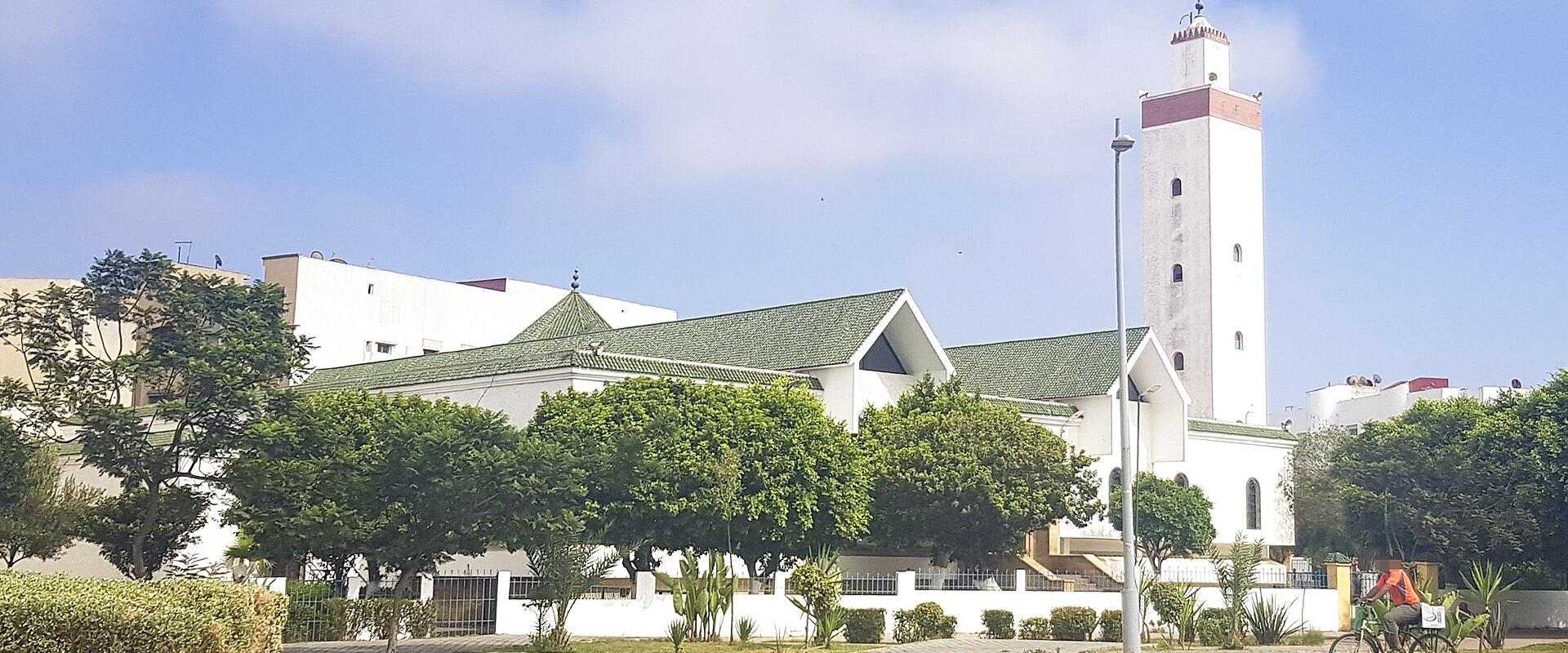
Salé
Historic city on Bou Regreg River opposite Rabat with authentic medina
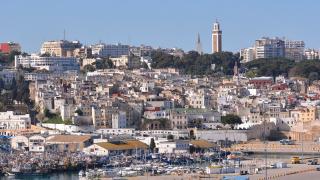
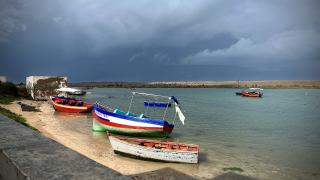
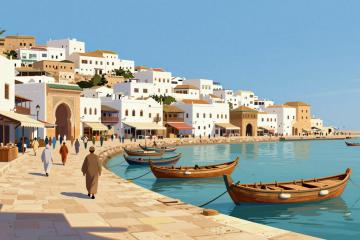
Salé is a city of historical and religious significance in Morocco, located on the right bank of the Bou Regreg River. Its origins go back to the Middle Ages, and it grew as a port and a place of refuge, notably for Andalusian Muslims who left Spain in the early 17th century and settled around the river mouth. Over the centuries, it grew into a major port and a centre of learning, attracting scholars and traders. The city played a crucial role in the 17th century as a base for corsairs who operated in the Atlantic, challenging European shipping. For a time, Salé and the Kasbah of Rabat formed a semi-independent corsair republic. This maritime history is reflected in the city's layout and architecture, including old walls and sea gates.
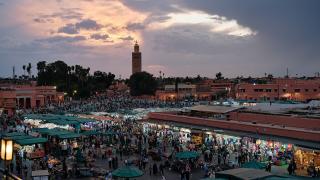
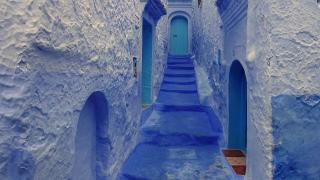
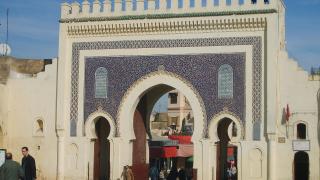
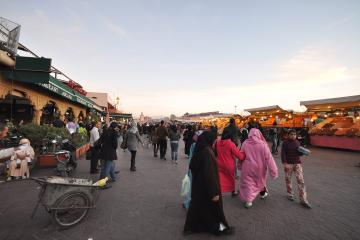
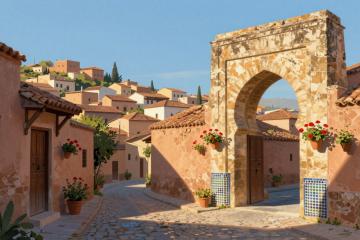
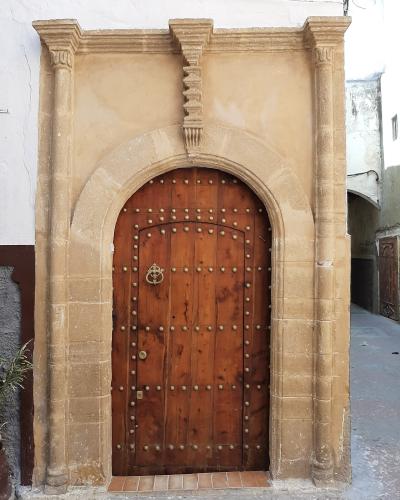
Rabat's historic core is a UNESCO World Heritage site, and although Salé is not part of that listing, its medina is one of the best preserved in the region. It is characterised by white-washed buildings, narrow winding streets and historic gates such as Bab Mrissa, near the river. The medina is less visited than Rabat's and gives a feeling of everyday life, with families, schoolchildren and shopkeepers going about their business. Souks sell spices, textiles, pottery and household goods, and the covered market streets lead from the Great Mosque district toward the river.
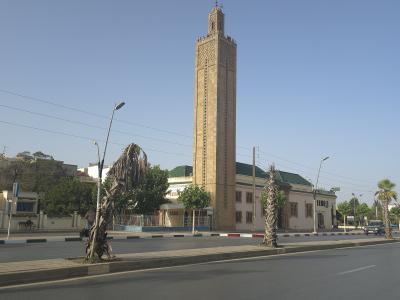
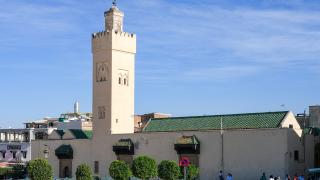
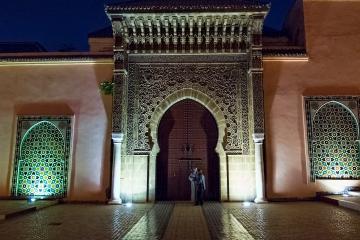
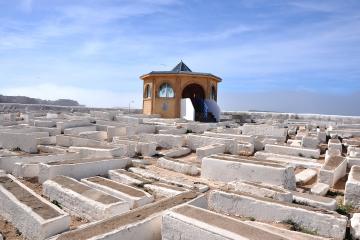
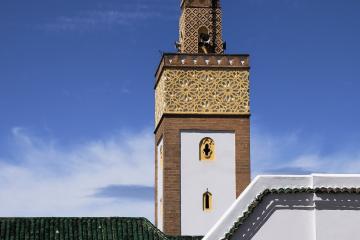
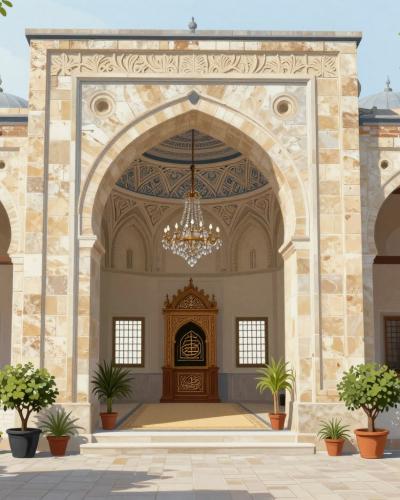
Key attractions include the Great Mosque, also called Jamaa Kebira, one of the oldest in the city, which dates to the Almohad period and anchors the old town. The Medersa Ash Sharqiya, a 14th-century Marinid religious school, now holds the city's museum, and its carved plaster and woodwork are well worth seeing. The Mausoleum of Sidi Abdallah ben Hassoun, a revered saint whose shrine is a site of pilgrimage, plays a central role in local religious life, and processions take place on the eve of the Mawlid, when residents carry large decorated candles through the streets. The shrine and similar sites are places of worship, so visitors should be respectful and check what is open to them.
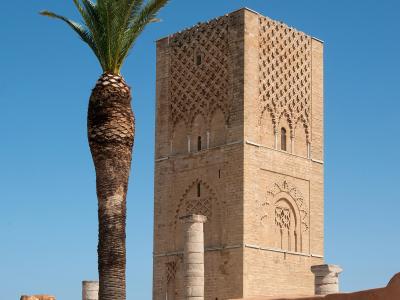
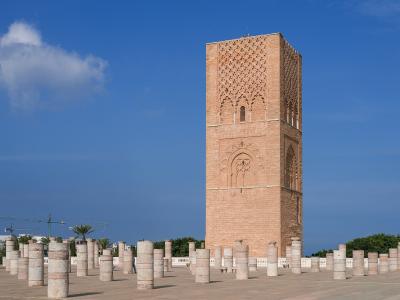
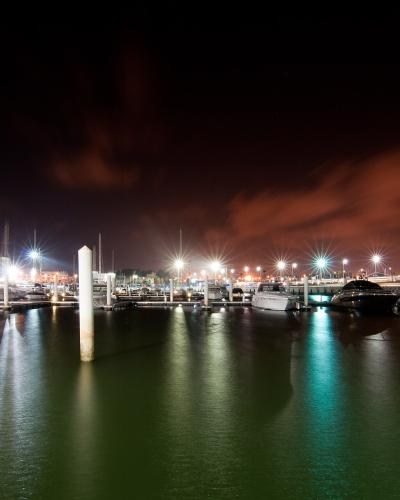
Salé also has a long tradition of artisan work. Small workshops make pottery, leather goods and woven items, and visitors can watch craftsmen at work in the medina. The nearby Hassan Tower in Rabat and the Kasbah of the Udayas are easily accessible from Salé, providing a broader context of the region's history, either by crossing on the tram and bridge or by small ferry boats. The Bouregreg Marina, a modern development on the river, has walkways, cafés and boats that offer a more contemporary side to the city.
Activities in Salé include exploring the souks, which offer a wide range of goods from spices to textiles, and visiting local museums that show the city's history. The city is also known for its culinary scene, with traditional restaurants serving local dishes such as grilled fish, tagines and sweet pastries. The long beach north of the river mouth is popular in summer with local families.
Getting to Salé is convenient via the Rabat-Salé train station, with frequent services connecting to other major cities, and the tram line links it with Rabat's centre. The climate is Mediterranean, with mild, wet winters and warm, dry summers. The best time to visit is during the spring and autumn months when the weather is pleasant for walking around the medina and exploring the city. Summer can be hot, while winter may bring rain. Salé offers a combination of history, culture and daily life for visitors who want an authentic Moroccan experience.
Best Time to Visit
Visit in spring or autumn for mild temperatures ideal for exploring the medina and coastal areas comfortably.
Did you know?
Interesting, verified facts about Salé
Salé was an independent corsair republic
HistoryFrom 1627 to 1668, Salé functioned as the Republic of Salé, also known as the Bou Regreg Republic, an independent city-state maritime corsair state.
Source: external sourcePlan Your Visit to Salé
Essential travel tips and information for your trip to Salé.
Suggested Itineraries
Travel Tips
Currency
MAD • Cards widely accepted
Language
Moroccan • English in tourist areas
WiFi
Free WiFi in cafes and hotels
Explore Salé by Interest
Discover attractions and experiences in Salé organized by your interests and travel preferences.
All attractions in Salé
Sorted by our recommendation score
Quick Facts
Book your stay
Frequently Asked Questions
More destinations in Rabat-Salé-Kénitra
Explore other amazing places in the Rabat-Salé-Kénitra region