






The Couscous Conspiracy: Why You Can’t Skip This Friday Ritual
Friday evenings in Morocco do not just pass; they unfold with a deliberate, rhythmic grace. At the center of this social gravity is the communal table, where couscous serves as more than sustenance—it is the anchor of family life. I still recall watching my grandmother in Rabat transform coarse semolina into a dish that felt deeply sacred. There were no exotic ingredients to rely on, only patience, presence, and the rhythmic tossing of the grains.
For the traveler, this ritual offers a hidden layer of safety. High heat is your best defense against stomach issues, and freshly steamed couscous represents one of the most hygienic culinary options available. By prioritizing hot, home-style meals, you protect your digestive system while immersing yourself in the country’s cultural heartbeat. The scent of cumin and toasted grains alone is enough to justify the journey. Have you ever attempted to recreate this dish in your own kitchen, or do you prefer watching the masters work their magic? 🇲🇦✨
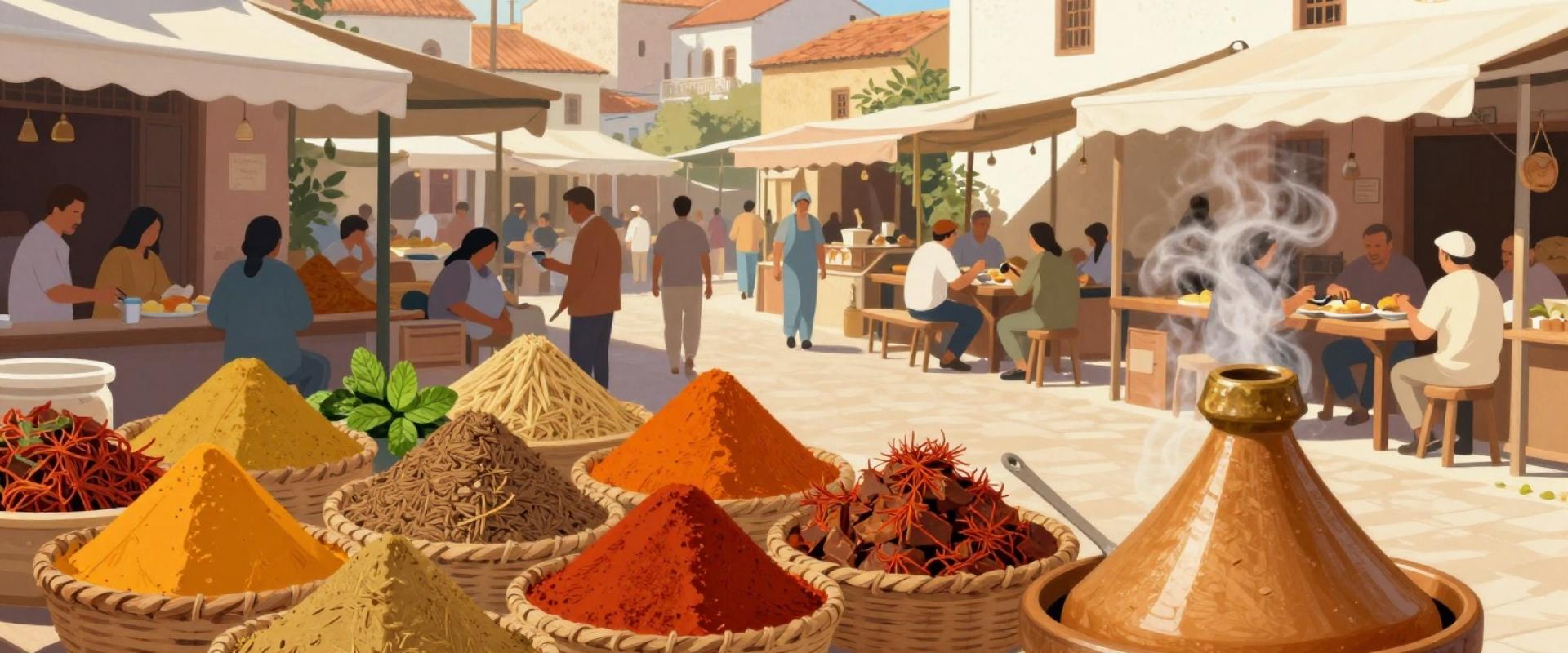
In the labyrinth of Marrakech’s Jemaa el-Fnaa, the air hangs heavy with the scent of cumin and charred meat. Clay tagines bubble over low flames, releasing a harmonious clash of sweet apricots and savory lamb, often for less than 50 MAD. While this is a staple of Sunday family gatherings across the Maghreb, navigating these culinary delights requires sharp vigilance. Hygiene standards among street vendors fluctuate wildly. I learned this the hard way during a trip to the Atlas Mountains, where questionable mint tea left me restless for hours.
To avoid similar distress, prioritize dishes served piping hot from the grill. Raw salads pose a significant risk because tap water safety is inconsistent. Instead, opt for whole, peeled fruits like bananas or oranges. Avoid pre-cut fruit unless you peel it yourself to ensure freshness. Dairy choices matter too; hard cheeses and pasteurized yogurt are safer bets than soft varieties. When uncertainty strikes, adhere to the golden rule: boil it, cook it, or skip it. Your stomach will appreciate the caution. Do you lean toward sweet or savory tagines?
Dietary Detours: Vegan, Vegetarian, and Gluten-Free Survival Guide
Couscous is the heartbeat of Moroccan family life, a weekly ritual that binds generations. Navigating this rich culinary landscape as a vegan or gluten-free traveler demands strategy, not just hope. Vigilance is your best defense. Steaming tagines are generally safe, yet you must verify the broth’s contents to ensure no hidden animal fats or non-vegan additives are present. The golden rule remains simple: peel it, cook it, boil it, or forget it.
Raw salads pose a significant risk due to unpredictable tap water quality. I recommend sticking to peeled fruits like oranges and bananas. For those avoiding gluten, the ubiquitous khobz (bread) is a trap. Seek out modern cafes in Casablanca that offer quinoa or rice-based alternatives. Always carry a card stating la lahham (no meat) and your specific allergies in Arabic and French. Trust your instincts. If the food looks suspicious, skip it. Stay hydrated and stick to sealed packaged goods when in doubt. Your health is worth more than a risky bite. What’s your biggest dietary fear when traveling abroad?
Mint Tea, Tap Water, and the 'Boil It' Rule: Staying Safe
Skip the tap water entirely in Morocco. Instead, rely on trusted bottled brands like Aqua or Oasis, but always verify that the plastic seal is intact before purchasing. Ice cubes are a gamble; limit them to high-end establishments like Le Jardin des Biehn in Casablanca, and avoid them elsewhere to minimize risk.
Mint tea serves as both a beverage and a cultural ritual. Pouring it from a height creates a frothy head known as kaskas. This hot drink is safe, aids digestion, and offers a warm welcome. For snacks, choose fresh oranges from street vendors in Marrakech’s Jemaa el-Fnaa. Peeling them yourself ensures cleanliness, unlike pre-cut options which pose a higher risk.
Adhere strictly to the "peel it, cook it, boil it, or forget it" guideline. Opt for hot, freshly prepared tagines rather than raw salads at busy stalls. This approach protects your stomach from unpredictable hygiene standards. To save money, purchase fruit from local souks instead of tourist-focused cafes. Handling your own food guarantees safety while keeping costs down. Your digestive system will appreciate the caution.