

Echoes of the Bouregreg: A Seasonal Reset
Spring light in Salé possesses a specific, crystalline quality. It filters through the medina’s labyrinthine alleys with a clarity that winter’s gray haze obscures, cutting through the usual congestion to reveal the quiet corners where craft lives. With the tourist crowds thinning, the zellige tile makers and leather tanners work without interruption. Their tools hum in the still air, creating a soundscape often drowned out by the winter rush: the sharp strike of chisels against stone and the rhythmic scraping of hides being prepped.
The Bouregreg River forms a calm, green border against the city’s heartbeat, offering a serene threshold before you step into the workshop zones. This geography is not merely scenic; it is functional. The mild spring air is crucial for the chemistry of traditional dyeing. Natural vegetable dyes require stable temperatures to set properly, and the gentle sun dries leather hides without the dampness that plagues the winter months. Without this specific climate, the vibrant indigos and terracottas would bleed or fade before they could be fixed.
Workshops undergo a literal spring cleaning, sweeping away the dust of the previous season. This reset allows you to observe the entire lifecycle of a product, from raw wool to finished rug. The light hits the intricate metalwork at a perfect angle, making it easier to capture photos that do justice to the craftsmanship. You are not just observing; you are witnessing a process in its most honest state.
Plan your route around the tanneries and ceramic studios first. The colors of the dyed goods pop against the earthy tones of the medina walls, creating a visual feast that demands close inspection. This timing balances accessibility with authenticity, letting you engage with local artisans on their terms. It is a practical approach to cultural tourism that respects the rhythm of the work.
The pace here matches the season. There is no chaos, only the steady flow of skilled hands shaping materials. By visiting now, you gain access to a side of Salé that remains hidden during the peak tourist season. It is a rare opportunity to see heritage industries not as static displays, but as living, breathing operations. The result is an immersive experience that feels both structured and deeply human.
Tanneries and Tiles: The Artisan’s Toolkit
Salé’s medina offers a stark, welcome contrast to the frenetic energy of Marrakech. Here, the pace slows. You wander through quieter streets where craftsmanship feels personal rather than performative. The scent of tannins hangs heavy in the air near the Bou Regreg River, a pungent reminder of the ancient processes at work.
Watch closely as leather tanners work with natural dyes derived from henna and indigo. This method has survived centuries of change, relying on patience rather than speed. Their hands move with practiced rhythm, shaping hides that will last generations. Nearby, ceramic studios hum with the sound of chisels. Masters shape clay into intricate zellige tiles, firing them to durability. These small businesses rely on genuine interest from visitors to sustain their livelihoods.
Always ask before clicking your shutter. A nod of respect goes further than any tip. Engaging directly supports the makers who keep these traditions alive. Spring brings mild weather, perfect for navigating the narrow alleys. Arrive early. Artisans are most active then, and the light is soft.
Carry small change. Budget 50 to 100 MAD for modest purchases or gestures of thanks. Verify hours beforehand, as schedules shift. This approach fosters a real connection. You leave not just with a souvenir, but with a story.
From Pirate Haven to Craft Hub
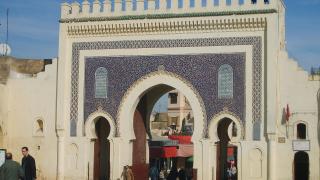
Salé’s transformation from a notorious pirate stronghold to a serene artisan center is a study in resilience. You can trace this shift through its architecture, where Andalusian elegance merges seamlessly with traditional Moroccan design. The medina’s narrow streets now echo with the rhythmic sound of chisels and the scent of tannins from leather tanners. These workshops produce high-quality goods using methods passed down through generations, offering a tangible link to the city’s cultural roots.
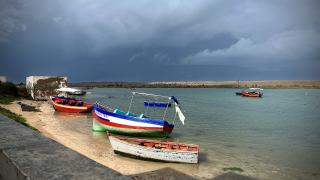
This contrast defines the modern visitor experience. The Bouregreg River once served as a strategic base for privateers, but today it frames a quiet hub for cultural preservation. Spring festivals bring this history to life, celebrating local heritage with vibrant energy. Visitors often find the pace here significantly more relaxed than in bustling Casablanca, allowing for deeper engagement with the craft.
Intricate zellige tile work and carved wooden doors reflect a history of adaptation. Museums and galleries further highlight this narrative, showcasing the pride artisans take in their heritage. Exploring these spaces provides insight into how Salé maintains its identity while embracing new economic realities. This duality enriches your appreciation of the city’s enduring spirit, turning a simple stroll into a journey through time.
Your Spring Itinerary: Next Steps
Start your mornings early. The sun hits the medina’s artisan alleys at just the right angle for photography, and the air is cooler. You’ll find master tanners working leather near the souks and potters shaping clay by hand. Quality pieces typically run 300–500 MAD. Keep small bills ready to haggle respectfully.
Logistics matter. Staying inside the medina walls saves hours of transit time. Confirm your March-to-May booking immediately. Pack light, as the narrow streets welcome only small bags. Verify your passport and visas before you go.
Cultural immersion deepens your trip. Check for events like the Rose Festival in Kelaat M'Gouna during spring. These gatherings offer authentic interactions beyond standard tourism. Plan your route around these dates for a richer experience. Attention to these small details ensures a smooth, enjoyable journey.