







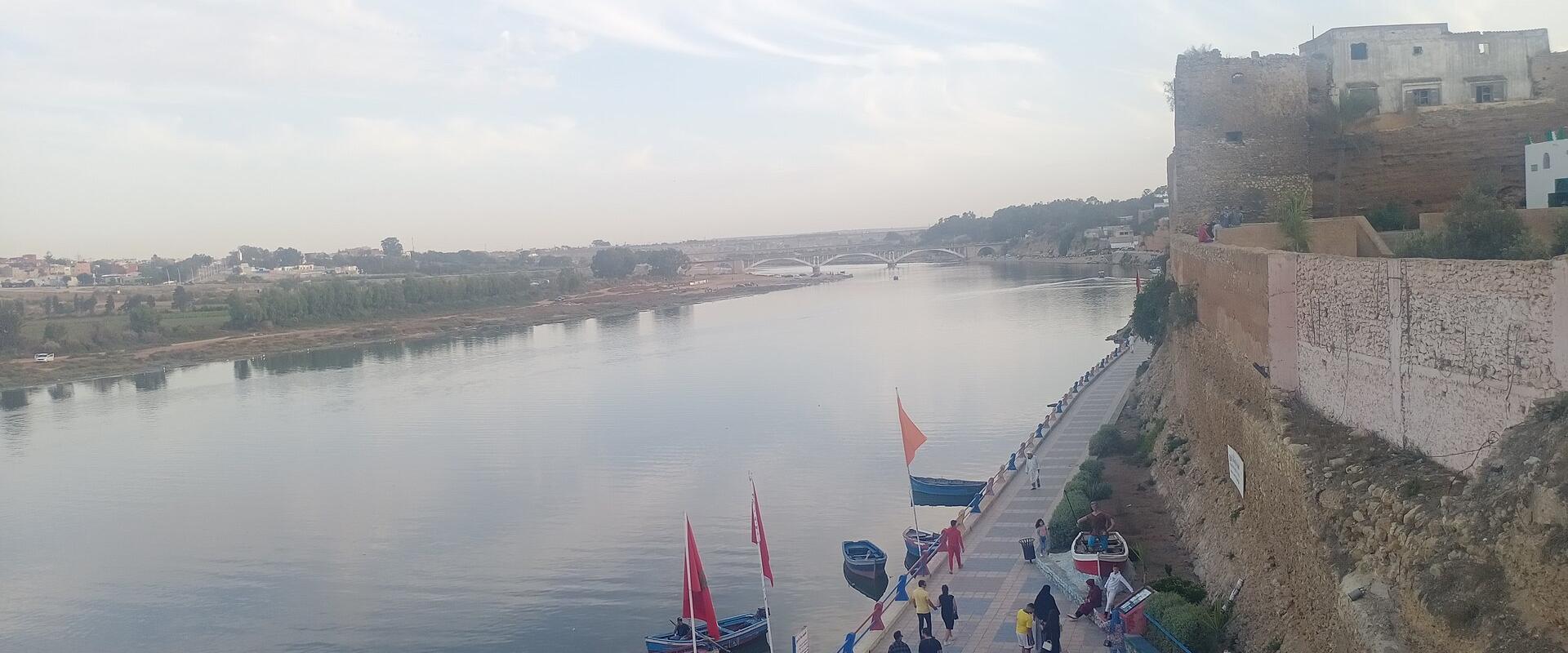
Azemmour, also known as Azammur, is a town with a long and layered past, located in the El Jadida Province of the Casablanca-Settat region. Its history is closely tied to the Portuguese presence in Morocco. In the early 16th century, the Portuguese occupied the town, renaming it Azamor, and constructed extensive fortifications, including the Kasbah and the city walls, to protect their interests and control the trade routes along the Oum Er-Rbia River. These structures, though partially ruined, remain significant landmarks that show the town's strategic importance during the colonial era. The explorer Ferdinand Magellan is recorded as having served in the Portuguese forces at Azamor.
After the Portuguese left, Azemmour continued to thrive as a fishing and trading port. It is also remembered as the birthplace of Estevanico, known in Moroccan accounts as Mustafa Azemmouri, who was enslaved after the Portuguese conquest and later took part in an expedition across what is now the southern United States. The old Jewish quarter and the shrine of a local holy man, Moulay Bouchaib, add to the town's heritage. Visitors who approach the shrine and similar sites should respect local customs and look for signs on access.
The town's medina, one of the few in Morocco that remains largely residential and untouched by mass tourism, offers an authentic glimpse into daily life. Its narrow streets are lined with traditional houses, small shops and local markets where residents trade fresh fish, produce and handmade crafts. Doors are painted in blue and green, and cats and children share the lanes. Because the old town is still a home rather than a stage set, visitors should be considerate when taking photographs.
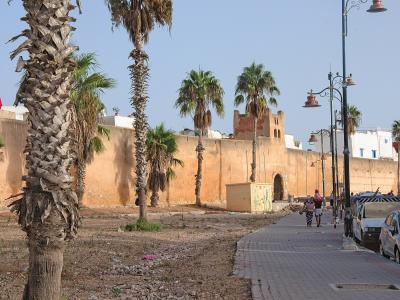
Key attractions include the Kasbah of Azemmour and the ramparts, which offer panoramic views of the river and the Atlantic Ocean. A walk along the walls above the water gives a sense of how the Portuguese guarded the river mouth, and the view of the bridge and the green banks is especially fine in late afternoon. The medina's gates and the courtyards of restored houses, some opened as guesthouses and galleries, complete the picture.
The river is as important as the walls. Azemmour was long known for the shad that moved up the Oum Er-Rbia, but the river has declined badly: a 2022 report said it no longer reached the ocean, and a mass fish die-off was reported at the mouth in June 2026. The estuary and the nearby coast still attract birds, but check conditions locally before planning a riverside walk. Activities in Azemmour include exploring the medina, walking the ramparts and enjoying the peaceful riverside setting. The town is also a gateway to the nearby coastal areas, and it lies only a short drive from El Jadida and its Portuguese city.
Getting to Azemmour is convenient via road from Casablanca, with regular bus services and car rentals available. The climate is Mediterranean, with mild, wet winters and warm, dry summers. The best time to visit is during the spring (March to May) or autumn (September to November) when the weather is pleasant for outdoor activities. Summer can be hot, while winter may bring rain. Accommodation options are limited but include guesthouses and small hotels that offer a quiet and authentic stay.
Best time to visit
Visit in spring or autumn for mild temperatures ideal for exploring the medina and riverside areas comfortably.
What to see in Azemmour
Our picks first.
Azemmour by interest
The same sights, grouped by what you came for.
Planning a visit to Azemmour
Itineraries that include Azemmour
Good to know
- Currency
- MAD
- Language
- Arabic
Quick Facts
Book your stay
Questions people ask
More places in Casablanca-Settat
Casablanca-Settat
Casablanca
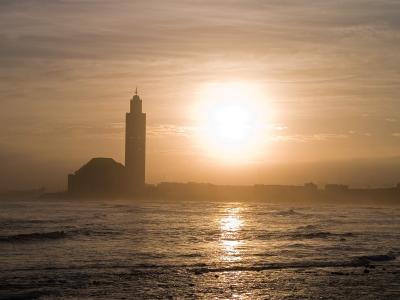
Morocco's largest city: the Hassan II Mosque, Art Deco streets and the Corniche
Casablanca-Settat
El Jadida
Historic Portuguese fortified city and Atlantic port south of Casablanca
Casablanca-Settat
Sidi Bouzid
El Jadida's beach suburb, known for its surf and summer crowds