
2 days
Fes Cultural Heritage
2-day cultural heritage tour of Morocco's oldest imperial city
View Itinerary →
3-day Fes itinerary covering medinas, tanneries, and day trips
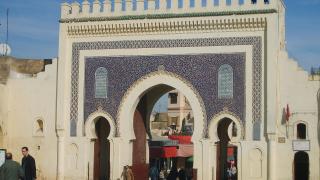
Begin your Fes experience by entering through the iconic Blue Gate and exploring the bustling souks, artisan squares, and the historic core of Fes el-Bali.
Arrive at Bab Bou Jeloud
Start your journey at the famous Blue Gate, the main entrance to the medina. Admire the zellige tilework and take in the vibrant atmosphere.
Place Seffarine and Copper Smiths
Walk into the heart of the copper-smithing district. Watch artisans hammer copper into intricate designs and smell the aromatic herbs sold nearby.
Nejjarine Museum of Wooden Arts and Crafts
Visit this beautifully restored 18th-century caravanserai to see traditional woodcraft, including the famous wooden fountain in the courtyard.
Medersa Bou Inania
Explore this stunning 14th-century Islamic college, known for its exquisite stucco work and calligraphy. Note the working water clock.
Chouara Tannery
Visit the world-famous tanneries. View the dye pits from the rooftop terraces of surrounding workshops to avoid the strong smell on the ground level.
Dar Batha Museum
Relax in the serene courtyard of this 19th-century palace, which houses a collection of Moroccan arts and crafts, including ceramics and jewelry.
Bab Ftouh Gate
Walk to this ancient southeastern gate, one of the oldest surviving gates in the medina, offering a glimpse into Fes's defensive architecture.
Where to stay: Stay in a traditional Riad within Fes el-Bali for an authentic experience.
Getting around: Mostly walking. The medina is a pedestrian labyrinth; hire a local guide for the first day to avoid getting lost.
Dive into Fes's spiritual history with visits to the Al-Qarawiyyin complex and the Royal Palace, followed by a relaxing afternoon in the gardens.
Exterior of University of Al-Qarawiyyin
View the exterior of the world's oldest continuously operating university. Note: Non-Muslims cannot enter the university or the mosque.
Al-Qarawiyyin Mosque Area
Explore the surrounding area and the library entrance. This site is central to the intellectual history of the Islamic world.
Royal Palace (Dar el-Makhzen)
Admire the ornate 20th-century gates of the Royal Palace. The interior is not open to the public, but the exterior architecture is magnificent.
Mellah (Jewish Quarter)
Walk through the historic Jewish Quarter. Visit the ruins of the old synagogue and the Jewish cemetery on the hillside for panoramic views.
Jnan Sbil Garden
Escape the medina crowds at this 19th-century French-style garden. Enjoy the fountains, palm trees, and peaceful atmosphere.
Traditional Hammam Experience
Unwind with a traditional Moroccan bath and scrub at a local hammam to relax after days of walking.
Where to stay: Continue staying in the medina or move to Ville Nouvelle for a change of pace.
Getting around: Walking between medina sites. Taxi recommended to reach Jnan Sbil Garden from the deep medina.
Spend the final day exploring the UNESCO-listed Fes el-Bali in depth, focusing on the oldest university area, hidden alleys, and local culinary delights.
Fes el-Bali Exploration
Dedicate time to wandering the narrow streets of the UNESCO World Heritage site. Visit the oldest university area and discover hidden artisan workshops.
Al-Qarawiyyin Complex Revisited
Revisit the area around Al-Qarawiyyin to explore the surrounding souks and historic buildings that are often missed on the first pass.
Nejjarine Fountain and Square
Return to the Nejjarine Square to enjoy the restored fountain and watch the local life unfold around the square.
Chouara Tannery (Second Look)
If missed or desired again, revisit the tannery or explore the nearby leather souks for high-quality goods.
Dar Batha Museum and Courtyards
Spend more time at Dar Batha, appreciating the intricate tile work and the quiet courtyard, a perfect spot for reflection.
Final Stroll at Bab Bou Jeloud
End your trip at the Blue Gate, perhaps buying last-minute souvenirs or enjoying a mint tea with a view of the gate.
Where to stay: Check out of accommodation.
Getting around: Walking throughout the day. Taxi to airport/train station upon departure.
2-day cultural heritage tour of Morocco's oldest imperial city
View Itinerary →