3 days
Extended Fes Experience
3-day Fes itinerary covering medinas, tanneries, and day trips
View Itinerary →
2-day cultural heritage tour of Morocco's oldest imperial city
Day 1 focuses on the iconic entry points to Fes el-Bali, the spiritual center of the old city, and the vibrant artisan quarters. We start at the famous blue gate, explore the oldest university, and immerse ourselves in the traditional crafts of the medina.
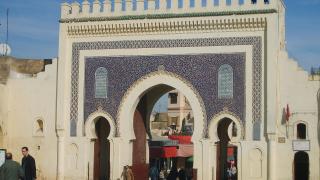
Arrival at Bab Bou Jeloud
Start your journey at the iconic blue and green tiled gate, the main entrance to the medina. This is the perfect photo spot and starting point.
University of Al-Qarawiyyin & Surroundings
Visit the exterior and surrounding area of the world's oldest continuously operating university. While non-Muslims cannot enter the prayer hall, the surrounding square and architecture are significant. Note: Check current access rules as they can change.
Medersa Bou Inania
Explore this stunning 14th-century Marinid madrasa, famous for its intricate zellige tilework, stucco, and cedar wood ceilings. It is one of the few madrasas open to non-Muslims.
Wander through the bustling Place Seffarine, the heart of the copper-smithing district. Watch artisans hammer copper into intricate shapes and enjoy the vibrant atmosphere.
Zellige Workshops of Derb Zouak
Visit the traditional zellige mosaic workshops. Observe the complex geometric patterns being created and learn about the history of this Moroccan art form.
Nejjarine Museum of Wooden Arts and Crafts
Visit this beautifully restored 18th-century caravanserai, now a museum dedicated to woodcraft, including traditional water scoops and furniture.
Nejjarine Fondouk Rooftop View
Take a break on the rooftop of the Fondouk for a refreshing mint tea with a view of the museum courtyard and the medina's rooftops.
Where to stay: Stay in a Riad within Fes el-Bali (Old Medina) for an authentic experience, or in Fes Jdid (New Medina) for easier access and modern amenities.
Getting around: Most attractions are within walking distance in the medina. Use petit taxis for longer distances if needed.
Day 2 explores the historical depth of Fes, including the Jewish Quarter, traditional palaces, and ends with breathtaking views of the surrounding landscape.
Mellah (Jewish Quarter) Ruins
Explore the historic Jewish Quarter, including the ruins of synagogues and the Jewish cemetery. Learn about the rich history of Fes's Jewish community.
Dar Batha Museum
Visit this 19th-century palace housing a collection of Moroccan arts, including ceramics, textiles, and manuscripts, set in a beautiful garden.
Bab Ftouh
Walk to Bab Ftouh, an ancient gate marking the southeastern edge of Fes el-Bali. It offers a glimpse into the city's defensive architecture.
Wandering Fes el-Bali
Spend time freely wandering the UNESCO-listed Old Medina. Get lost in the labyrinthine alleys, visit local souks, and soak in the atmosphere.
Jnan Sbil Garden
Relax in the 19th-century French-style garden, a peaceful oasis with fountains, flowers, and shaded paths.
Ain Azliten Water Wheel
Visit the historic water wheel, a testament to traditional engineering used to irrigate gardens and fountains in the medina.
Saiss Plain and Atlas Mountains Viewpoints
Take a short taxi ride to a viewpoint overlooking the Saiss Plain and the Atlas Mountains. Enjoy the panoramic views, especially beautiful at sunset.
Where to stay: Same accommodation as Day 1.
Getting around: Use petit taxis for the viewpoint and any longer distances. Walking is best for the medina areas.
3-day Fes itinerary covering medinas, tanneries, and day trips
View Itinerary →