3 days
Extended Fes Experience
3-day Fes itinerary covering medinas, tanneries, and day trips
View Itinerary →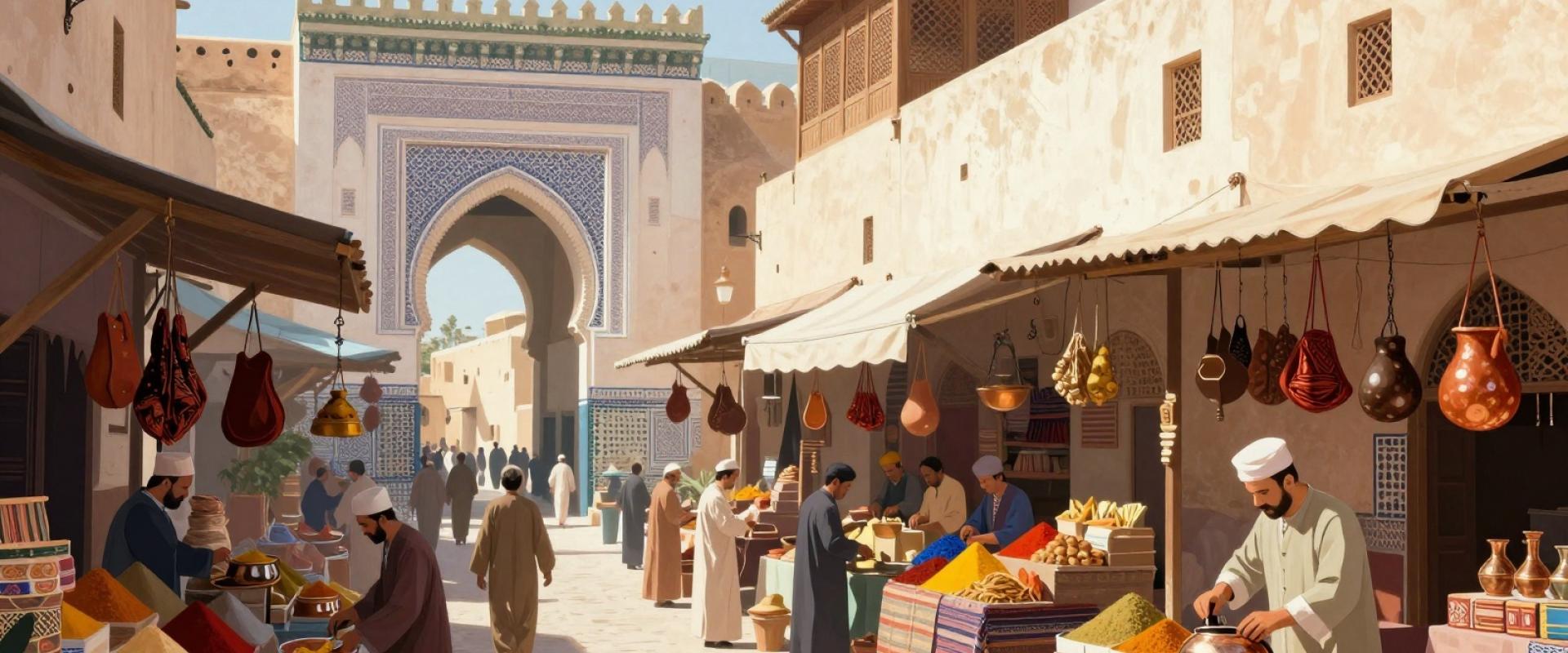
Medina landmarks, souks, and tanneries in one day
A comprehensive one-day exploration of Fes el-Bali (the Old Medina), starting with the iconic Blue Gate, diving into the historic medersas and souks, visiting the famous tanneries, and ending with traditional crafts and views.
Traditional Moroccan Breakfast
Start your day with a classic Moroccan breakfast featuring msemen (flatbread), baghrir (spongy pancakes), fresh orange juice, and mint tea at a local café near the Blue Gate.
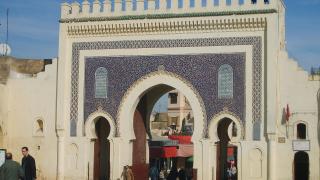
Bab Bou Jeloud (The Blue Gate)
Visit the iconic 1913 French-built gate with stunning blue mosaics. This is the main entrance to Fes el-Bali. Take photos of the intricate zellige tilework and observe the bustling activity of locals and tourists.
Medersa Bou Inania
Explore this 14th-century Marinid medersa, noted for its exquisite Islamic architecture. It is the only functioning medersa in Fes and features a working water clock mechanism. Admire the cedar wood carvings and zellige mosaics.
Al-Qarawiyyin Mosque and University Exterior
Walk towards the world's oldest continuously operating university. Non-Muslims cannot enter the mosque, but you can view the exterior and the surrounding historic square. Learn about its founding in 859 AD and its significance as a center of learning.
Lunch in the Souks
Enjoy a hearty lunch at a traditional restaurant within the medina. Try tagine or couscous while watching the artisans at work. Look for places near Place Seffarine for authentic flavors.
Place Seffarine
Visit this historic copper-smithing square. Watch skilled artisans hammering copper into intricate designs. The air is filled with the sound of metalwork and the smell of heated metal.
Chouara Tannery
View the famous tanneries from the elevated terrace. See the vibrant dye pits where leather is treated using traditional methods. Note: Bring mint leaves to cover your nose due to the strong smell.
Nejjarine Museum of Wooden Arts and Crafts
Visit this 18th-century caravanserai housing Moroccan woodcraft. The museum is beautifully restored and features a central fountain. Explore the exhibits of traditional wooden items.
Zellige Workshops of Derb Zouak
Visit the area known for its traditional Zellige mosaic workshops. Observe artisans cutting and assembling colorful tiles into intricate geometric patterns. You may have the opportunity to see hands-on demonstrations.
Mellah (Jewish Quarter) Ruins
Walk through the historic Jewish Quarter. While many buildings are in ruins, the area holds significant historical value. Visit the Synagogue and the Jewish Cemetery on the hillside for panoramic views.
Afternoon Tea and Pastries
Relax with mint tea and traditional Moroccan pastries at a rooftop café. Enjoy the view of the medina's rooftops and minarets as the sun begins to set.
Saiss Plain and Atlas Mountains Viewpoints
End your day with a scenic view of the Saiss Plain and the Atlas Mountains from a designated viewpoint. This offers a peaceful contrast to the bustling medina and a chance to reflect on the day's experiences.
Where to stay: Stay in a traditional Riad within Fes el-Bali for an authentic experience. Areas near Bab Bou Jeloud or the Nejjarine Square are convenient for accessing major attractions.
Getting around: Most attractions in Fes el-Bali are within walking distance. However, the medina is a labyrinth; consider hiring a local guide for the first visit to navigate the souks effectively. Taxis are available for longer distances or if tired.
3-day Fes itinerary covering medinas, tanneries, and day trips
View Itinerary →2-day cultural heritage tour of Morocco's oldest imperial city
View Itinerary →