3 days
Extended Rabat-salé-kénitra Experience
3-day urban and coastal exploration of Rabat, Salé, and Kénitra
View Itinerary →
2-day cultural heritage tour of Rabat, Salé, and Kénitra
Explore the UNESCO-listed capital, starting with the iconic Hassan Tower and the unfinished Mohammed V Mosque. After lunch, wander through the Andalusian Gardens and the Kasbah des Oudaias, crossing the river to Salé for a traditional dinner.
Hassan Tower
Visit the 44m Almohad minaret, the sole remnant of an unfinished 12th-century mosque. Explore the surrounding ruins and gardens.
Moulay Hassan Mosque
View the massive unfinished mosque designed to hold 200,000 worshippers. Note: Non-Muslims can view the exterior and grounds.
Mohammed V Mausoleum
Admire the stunning 1971 Islamic mausoleum featuring intricate zellige mosaics and marble work. Dress modestly as it is an active religious site.
Lunch in Agdal Area
Enjoy a traditional Moroccan lunch at a nearby restaurant in the Agdal district, known for its relaxed atmosphere.
Andalusian Gardens
Stroll through the terraced Spanish-Moorish garden located in the 17th-century Kasbah. Enjoy the fountains, orange trees, and views.
Kasbah des Oudaias
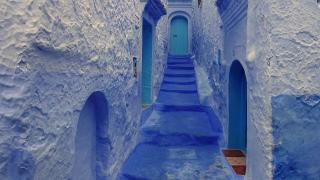
Explore the 12th-century UNESCO citadel overlooking the Bouregreg River. Visit the Oudaias Craft Museum and enjoy the blue and white streets.
Cross to Salé
Take a short taxi or walk across the bridge to Salé for dinner.
Dinner in Salé Medina
Dinner at a traditional restaurant in Salé, offering authentic cuisine with views of Rabat across the river.
Where to stay: Stay in Rabat city center or near the Kasbah for easy access to Day 1 and Day 2 attractions.
Getting around: Walking is sufficient for most sites in Rabat. Use petit taxis for longer distances or crossing to Salé.
Travel north to Kénitra to explore the Atlantic beaches and nature reserves. Return to Rabat in the afternoon to visit the Archaeological Museum and the Chrif Market for souvenirs.
Travel to Kénitra
Take a train or car from Rabat to Kénitra (approx. 1 hour).
Kénitra Beach & Coast
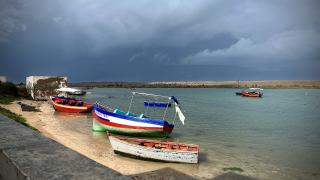
Enjoy the Atlantic coastline near Kénitra. Walk along the sandy beach and observe the local fishing activity.
Lunch in Kénitra
Fresh seafood lunch at a local restaurant near the port or beach.
Return to Rabat
Travel back to Rabat by train or car.
Archaeological Museum of Rabat
Visit the 1932 museum housing rare Roman bronzes and artifacts from the region's ancient history.
Chrif Market
Explore the traditional souk in the Rabat medina. Buy spices, ceramics, and souvenirs.
Mohammed V Park
Relax in this urban park in Salé, honoring King Mohammed V, before heading to your final dinner.
Farewell Dinner in Rabat
Final dinner in Rabat, perhaps trying a modern Moroccan fusion dish.
Where to stay: Same accommodation as Day 1.
Getting around: Train is the most efficient way to travel between Rabat and Kénitra. Taxis are needed for local movement in Kénitra.
3-day urban and coastal exploration of Rabat, Salé, and Kénitra
View Itinerary →