One Day in Rabat-salé-kénitra
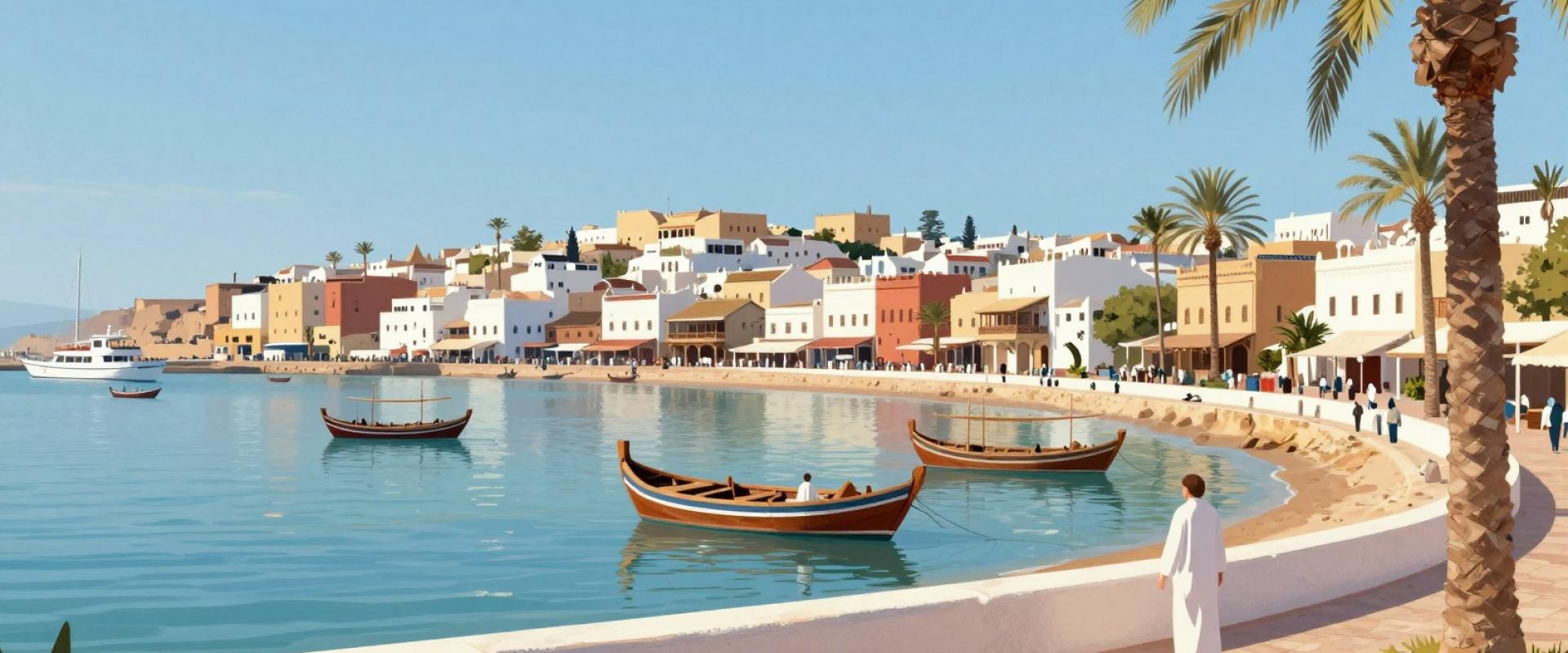
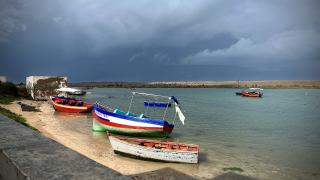
AI-generated illustration AI-generated illustration

One Day in Rabat-salé-kénitra

Historic capital sights in Rabat-Salé-Kénitra

1 day Easy difficulty Est. €70

Day 1: Imperial History and Atlantic Views

A comprehensive day exploring Rabat's historic core, from the ancient Kasbah des Oudaias to the unfinished Hassan Tower, concluding with a relaxing evening by the Bouregreg River.

  • 09:00

    Kasbah des Oudaias & Andalusian Gardens

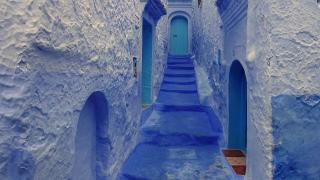
    Start your day at this 12th-century UNESCO citadel. Wander through the blue and white medina streets, visit the Andalusian Gardens for panoramic views of the Bouregreg River, and explore the Oudaias Craft Museum.

  • 10:30

    Archaeological Museum of Rabat

    Located within the Kasbah, this 1932 museum houses rare Roman bronzes and artifacts from the Chellah necropolis. A quick but insightful stop for history buffs.

  • 11:30

    Transfer to Hassan Tower

    Take a short taxi ride or walk along the riverfront promenade towards the Hassan Tower area.

  • 12:15

    Hassan Tower

    Visit the iconic 44m Almohad minaret, the sole remnant of an unfinished 12th-century mosque. The surrounding ruins and gardens offer a peaceful atmosphere.

  • 13:00

    Lunch in the Medina

    Head towards the Chellah or nearby medina restaurants for traditional Moroccan cuisine such as tagine or couscous.

  • 14:00

    Mohammed V Mausoleum

    Visit this stunning 1971 Islamic mausoleum honoring King Mohammed V and his son Hassan I. Note the intricate zellige mosaics and marble work. Non-Muslims can view the exterior and gardens.

  • 15:15

    Bab Rouah Gate

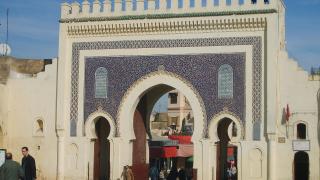
    Walk to this 12th-century Almohad gate, which houses a small art gallery and offers a glimpse into Rabat's defensive history.

  • 16:30

    Mohammed V Park

    Relax in this large urban park in Salé, honoring King Mohammed V. It's a great spot for a leisurely stroll and people-watching.

  • 18:00

    Dinner at Bouregreg River

    Enjoy dinner at a restaurant along the Bouregreg River with views of the bridge connecting Rabat and Salé.

Meals: Lunch at Medina Area , Dinner at Bouregreg Riverfront

Where to stay: Stay in the Ville Nouvelle or near the Kasbah des Oudaias for easy access to major sites. Options range from luxury hotels to traditional riads.

Getting around: Walking is sufficient for the Kasbah and nearby sites. Use petit taxis for longer distances (e.g., to Mohammed V Park or Salé). Ensure taxis use the meter.

Practical Information

Rabat offers a manageable pace for a single day, best experienced between March and May or September and November when temperatures are mild and comfortable for walking. Summer months can be excessively hot, while winter brings cooler, potentially rainy conditions. To reach Rabat from Casablanca, the ONCF train network provides the most efficient connection, with frequent departures and a journey time of approximately one hour. Once in the city, the historic center is highly walkable, though taxis are readily available for longer distances or if fatigue sets in. It is advisable to agree on fares beforehand or ensure the meter is used to avoid disputes. For accommodation, staying in the Ville Nouvelle (New Town) offers modern amenities and proximity to government buildings, while the Kasbah des Oudayas provides a historic, atmospheric setting within the medina walls. If time is strictly limited to one day, consider staying in Salé, located directly across the Bou Regreg river, which offers easy access via bridge and often more affordable rates. Budgeting for a day trip should account for modest entrance fees at major sites like the Hassan Tower and Chellah Necropolis. Meals can range from inexpensive street food, such as msemen or baguettes with hummus, to mid-range restaurant dining. Cash (Moroccan Dirham) is essential for small vendors and taxis, though cards are accepted in larger hotels and restaurants. Pack comfortable walking shoes, as cobblestone streets in the medina and Kasbah can be uneven. Bring a hat, sunscreen, and reusable water bottle, especially during warmer months. A light scarf is recommended for women visiting religious sites or conservative areas, and a power adapter for Type C/E plugs is necessary. Key practical tips include respecting local customs by dressing modestly, particularly when near mosques, and being cautious of aggressive touts in busy areas. Always carry a copy of your passport and keep valuables secure. Finally, verify opening hours for specific attractions in advance, as they may vary by season or day of the week, ensuring you maximize your limited time in Morocco’s capital.

Book your stay

More Itineraries