







- Where
- Tangier, Tangier-Tetouan
- Directions
- Directions
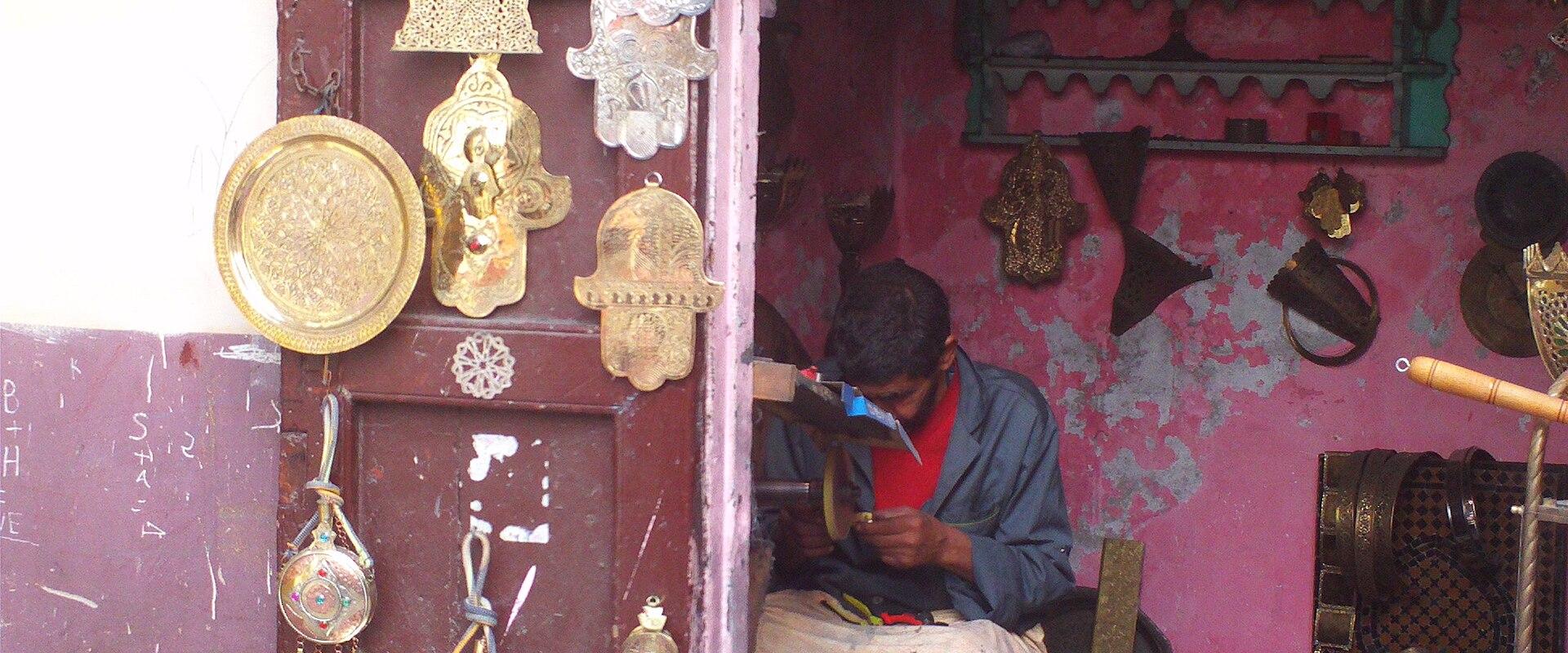
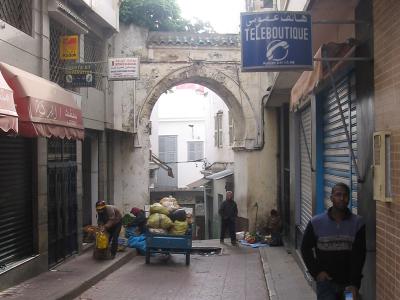
Shopping for Moroccan crafts in Tangier is spread across a few parts of the old town, and knowing where to look makes the difference between souvenir stalls and genuinely good pieces. Two areas matter most: the Grand Socco, the open square at the edge of the medina, and the lanes around the Kasbah at the top of the hill, sometimes called the Kasbah Market by visitors. Between them run the main streets of the medina, where shops sell textiles, leather, pottery, silver and metalwork, and where the goods reflect the city's position between the Rif mountains, the Atlantic and the Mediterranean.
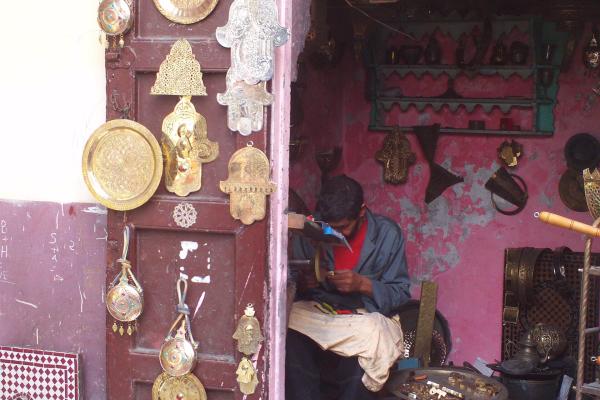
Textiles are the strongest tradition. Weavers in the Rif produce striped woollen blankets and the wraps known as foutas, and straw hats with woollen pompoms are part of the dress of the northern mountains. Embroidered cloth, tablecloths and cushion covers are sold in many shops, and Tangier is also known for caftans and trimmings made by hand. Leather workers make babouches, the pointed slippers, as well as bags, poufs and belts, and the quality varies widely from machine-stitched items to carefully sewn pieces. Ceramics from Tetouan and elsewhere, brass trays and lanterns and carved cedar boxes complete the range. Rue des Siaghines, the street of the goldsmiths, is a good place to see jewellery being made, and Rue Touila, which climbs toward the Kasbah, has small galleries and craft shops.
Engaging with the people who make things is what turns shopping into a memory. Some workshops will let you watch weavers at their looms, leather cutters at their benches or coppersmiths hammering, and a few organise short workshops or guided walks that include introductions to craftspeople. Ask politely, take your time and be prepared to buy something small if you spend time in a workshop.
Practical advice starts with bargaining, which is part of the culture. Begin well below the first price, stay relaxed and walk away if the price is wrong, and compare similar items in several shops. Look at seams, dyes and finishes, ask about materials and avoid goods made from protected animals or archaeological material. Carry small change and cash, since many shops do not accept cards, and keep your valuables secure in the crowds. Shops open mid-morning and many close for a long break in the afternoon, and Friday prayers affect opening times.
The best purchases come from browsing slowly. It suits travellers who enjoy craft and conversation and who want to take home something with a story, and it combines naturally with a walk through the medina and a stop at a café in the Petit Socco. Tangier’s mix of influences shows in its crafts as much as in its buildings.
Categories
More photos coming soon
Nearby Attractions
Other places to visit in Tangier
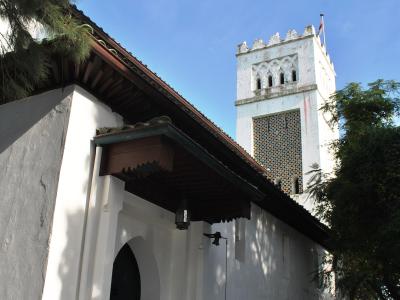
St. Andrew's Church
1905 Moorish-style Anglican church in Tangier
History & Heritage · Architecture
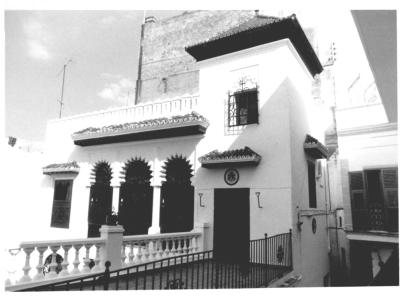
Tangier American Legation Institute for Moroccan Studies
Only U.S. National Historic Landmark overseas
Free Cultural Experiences · History & Heritage
Tangier Medina
Ancient medina blending Hispano-Moorish architecture
Historic Towns · Local Crafts
Kasbah Museum
Former sultan's palace with Andalusian gardens
From MAD 60 Museums · Palaces
Questions people ask
Quick Facts
Best Time to Visit
April to October. Summers are dry and warm; winters are wet, with about 100 mm of rain in January, and strong winds can cancel ferries to Spain.