







- Admission
- €6 adults, €2 children/residents
- Hours
- Daily 10:00 am to 7:00 pm
- Where
- Marrakech, Marrakech-Safi
- Directions
- Directions
The Mouassine Museum is a small museum in the Mouassine quarter of the Marrakech Medina, a short walk north of Jemaa el-Fnaa, and it is usually described as the Museum of Music, housed in a restored historic house. The Mouassine district takes its name from the Mouassine mosque, built in the sixteenth century in the Saadian period, and the neighbourhood is one of the most atmospheric in the old city, with narrow lanes, merchants' houses and craft workshops. The museum fits that setting, since the house is the main exhibit, and it gives a view into how wealthy families once lived behind plain street walls.
Like many traditional Marrakech houses, the building is organised around a courtyard that brings light and air into the interior. Rooms open off galleries around it, and the decoration includes zellij tilework, carved plaster and painted cedar. Museum visits are as much about walking through these spaces as about the objects displayed. The collection focuses on Moroccan musical traditions and instruments, a theme that reflects the variety of music in the country, from Andalusian classical repertoires to Amazigh songs and the trance rhythms of the Gnawa brotherhoods.
Moroccan music is rarely presented as one thing. Instruments differ by region: the guembri, a three-stringed bass lute, is central to Gnawa music, the oud and the violin belong to Andalusian traditions, and various drums, flutes and string instruments accompany regional dances and festivals. A good museum visit lets you hear how instruments relate to different communities, and recordings or demonstrations, when offered, can bring the displays to life.
The neighbourhood around the museum rewards a longer walk. The Mouassine Fountain, with its carved cedar roof and stone troughs, was built to provide water for people and animals, and it still stands near the mosque. Dar Bellarj, a restored building once used as a hospital for storks, is now a cultural centre with exhibitions, and it is a short distance away. Cafés and small guesthouses in restored riads make it a good area for a break from the noisy main square.
Visitors should check current opening times, ticketing arrangements and any special events locally, since they have changed in the past. Dress is relaxed but modest, and the lanes are best explored on foot with a map, because signs are limited. Because the museum is small, an hour is enough, which makes it easy to combine with the Ben Youssef Madrasa, the souks and the Marrakech Museum.
The museum suits music lovers, architecture enthusiasts and travellers who prefer smaller, quieter places to the larger palaces. It offers a calm interval in a busy city and a useful lens on Morocco’s cultural diversity.
Categories
More photos coming soon
Hours & Fees
- Open
- Daily 10:00 am to 7:00 pm
- Admission
- €6 adults, €2 children/residents
Hours and prices change, especially out of season. Check with the venue before you go.
Nearby Attractions
Other places to visit in Marrakech
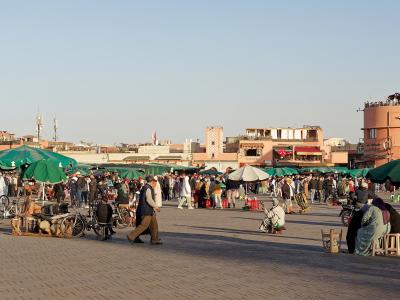
Jemaa el-Fnaa
Historic square and UNESCO intangible heritage site
City Centers · Town Squares
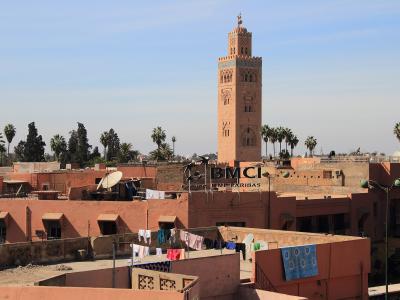
Koutoubia Mosque
12th-century Almohad minaret in Marrakech
Free Architecture · Historic Towns
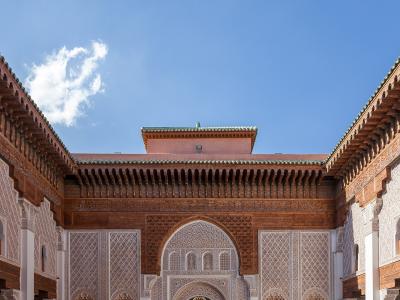
Ben Youssef Madrasa
16th-century Islamic school in Marrakech
Cultural Experiences · History & Heritage
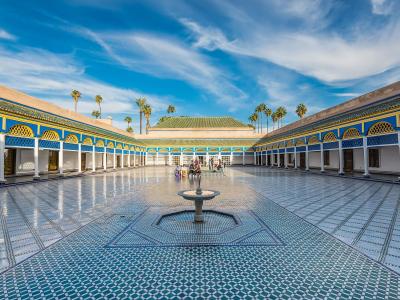
Bahia Palace
19th-century palace with stunning mosaics and gardens
Cultural Experiences · History & Heritage
Questions people ask
Quick Facts
Best Time to Visit
Visit in spring or autumn for mild temperatures ideal for exploring the medina and gardens.