- Where
- Boumalne Dades, Draa-Tafilalet
- Directions
- Directions
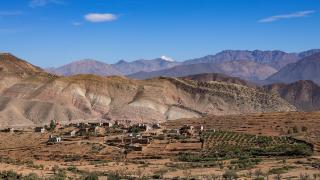
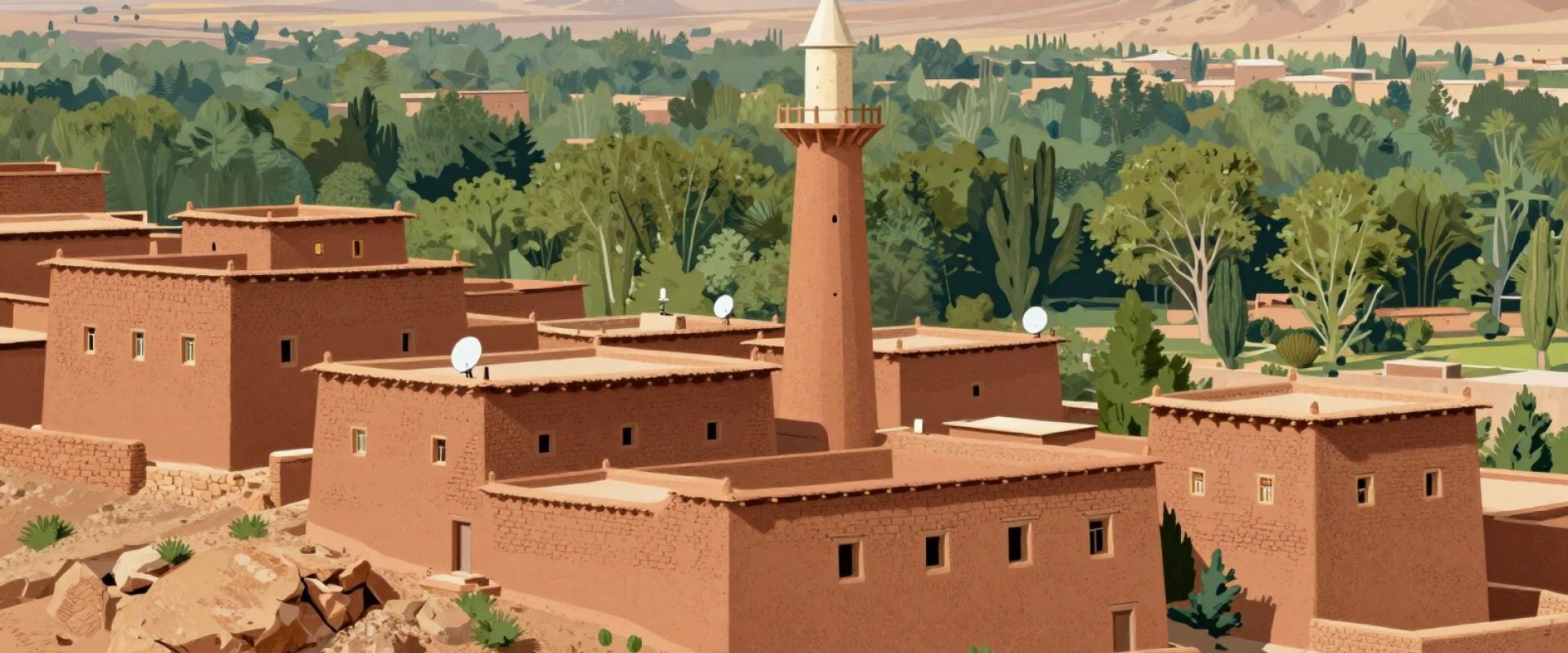
Boumalne Dades is the small town at the mouth of the Dades Valley, in the southern foothills of the High Atlas Mountains, and the kasbahs on its edges are among the most accessible examples of the earthen fortified houses that give this part of Morocco its reputation. The town sits at about 1,500 metres on the road between Ouarzazate and Tinghir, at the point where the road to the gorges leaves the main highway. For centuries the valley was a corridor linking the Sahara with the North African coast, and Berber families who controlled land, water and the tracks through the hills built fortified houses to protect themselves and their harvests.
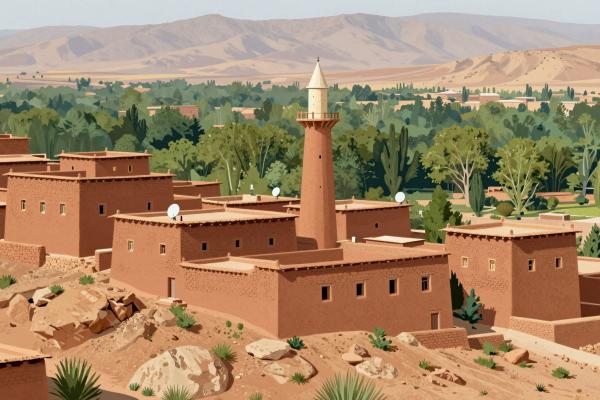
A kasbah is a fortified residence, usually built for a lord or an important family, with high walls, corner towers and a single main entrance. The ones around Boumalne are made of rammed earth and mud brick, built on stone foundations and plastered with clay mixed with straw, so their colour matches the land. Inside, rooms open off courtyards and staircases, with the lowest floor used for animals and storage and the upper floors for living. Decoration is concentrated near the top of the towers, where geometric patterns are pressed into the surface, and in the carved wooden doors. Some of the old kasbahs have been restored and turned into guesthouses, while others are slowly crumbling, a reminder of how much maintenance earth buildings need.
Seeing them is mostly a matter of walking or driving a short distance from town. A kasbah known as Tamnalt stands on the edge of the settlement, and others are visible among the palm groves along the valley, with paths leading to them from the road. Some are private residences, so visitors should ask before entering and respect any signs. Villagers will often invite you to look inside or to take tea if you show interest. Walking through the palms along the irrigation channels is a pleasant way to see how the kasbahs relate to the fields, which are laid out in small terraces fed by water from the river.
Practical points are straightforward. The best light is in the morning and late afternoon, when the walls glow and the shadows bring out the detail. Wear comfortable shoes, carry water and sun protection and keep to paths to avoid damaging crops. Dress modestly and ask before photographing people. While Boumalne itself is a simple town, with a weekly market and a few cafés and shops, it makes a convenient base for exploring the valley and the gorges.
Visitors interested in architecture and rural life will find the kasbahs rewarding, and they pair naturally with the Dades Gorge and the nearby Skoura palm grove. The area suits travellers who like to see how places work, and it gives a human dimension to the region's natural scenery. Staying a night in a restored kasbah is a good way to experience the design.
Categories
More photos coming soon
Nearby Attractions
Other places to visit in Boumalne Dades
Local Souk (Market)
Weekly Wednesday open-air market for fresh produce
Free Markets · Shopping
Dades Valley Camping Sites
Camping in Dades Valley's dramatic canyons
Activities & Adventure · Cultural Experiences
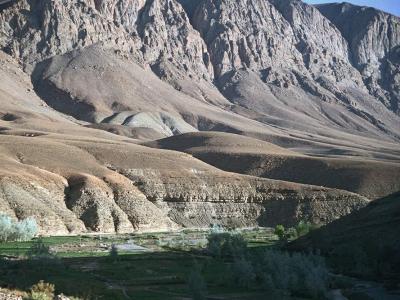
Gorges du Dadès
500m high sandstone gorges carved by the Dadès River
Activities & Adventure · Natural Wonders
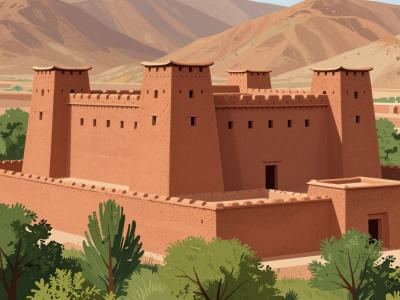
Traditional Kasbahs of the Valley
Historic Berber adobe fortresses in the High Atlas
Cultural Experiences · History & Heritage
Questions people ask
Quick Facts
Best Time to Visit
Visit in spring or autumn for mild temperatures ideal for hiking and exploring the gorge landscapes comfortably.