

Traditional Kasbahs of the Valley
Historic Berber adobe fortresses in the High Atlas
- Where
- Boumalne Dades, Draa-Tafilalet
- Directions
- Directions
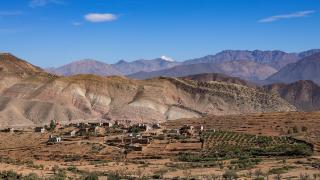
The Dades Valley is one of the best places in southern Morocco to see traditional kasbahs, and what makes it special is that you can approach them slowly, on foot or by car, as part of the landscape rather than as separate monuments. The valley runs from the High Atlas Mountains toward the Sahara, with the town of Boumalne Dades near its mouth, and for centuries it was a corridor that linked the desert with the North African coast. Berber families who controlled water, fields and tracks built fortified houses along it, and the clusters of earthen towers that stand among the palms and on the rocky edges of the valley are the result.
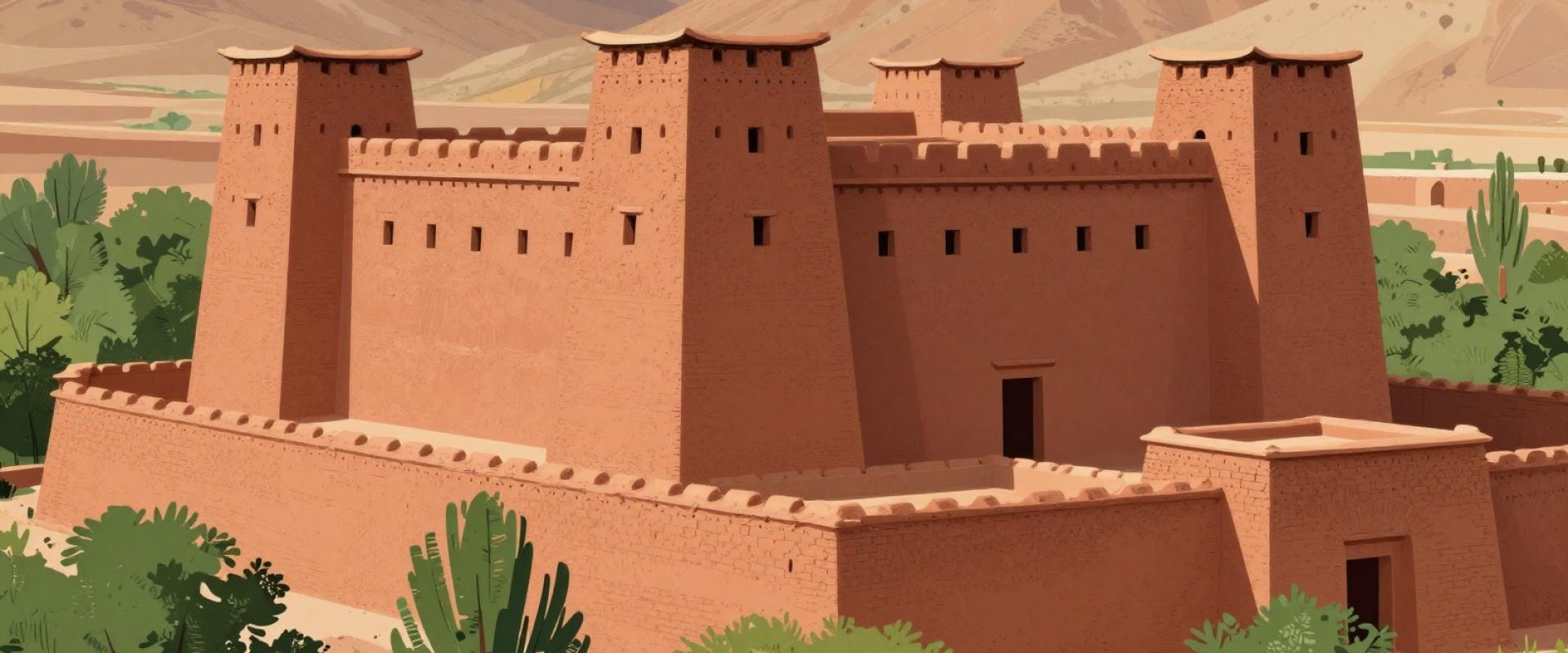
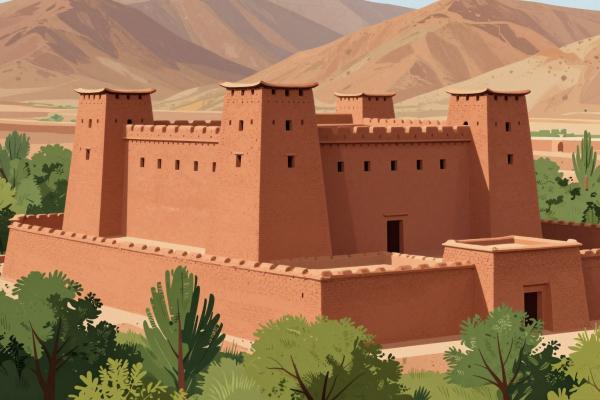
The word kasbah in this context means a fortified family house or a small stronghold, and its construction follows a well-tested pattern. Walls are made of rammed earth or mud brick on stone foundations, tapering as they rise, and then plastered with a mix of clay and straw that is renewed after rain. Corner towers give lookouts and added strength, windows on the lower floors are small, and the upper parts of the towers are decorated with geometric patterns formed by incisions or raised bands. Inside, rooms open off a central court, with animals and stores on the ground floor, living quarters above and a terrace on the roof. The buildings fit the landscape in colour and shape, and they work well as insulation against heat and cold.
Many kasbahs in the valley are in ruins, because earthen architecture needs constant care and many families moved to modern houses, but some have been restored and converted into guesthouses, giving visitors a chance to stay inside. Others still shelter families, and a few are open for visits. Walking the paths between palm groves and fields, you can see how the kasbahs relate to irrigation channels and the layout of the fields, and you may be invited to look inside or take tea. Hiking routes link several kasbahs and villages along the valley, and local guides can arrange half-day or full-day walks.
While the kasbahs are generally visible from public paths, some are private homes, so visitors should ask before entering and respect closed doors. Dress modestly, ask before photographing people and carry water. Visitors will find the best times are morning and late afternoon, when the light picks out the surface of the walls. Rain can damage tracks, so check conditions.
The kasbahs suit travellers interested in architecture, rural life and photography, and they combine well with the Dades Gorge and the rose valley at Kelaat M'Gouna. A night in a restored kasbah is a memorable way to experience the building from the inside. They show how people in Morocco’s High Atlas foothills have organised their lives around defence, water and community, and how that heritage is now being reused.
More photos coming soon
Nearby Attractions
Other places to visit in Boumalne Dades
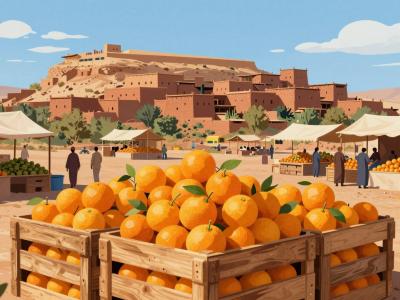
Local Souk (Market)
Weekly Wednesday open-air market for fresh produce
Free Markets · Shopping
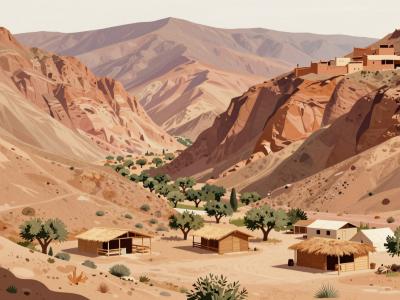
Dades Valley Camping Sites
Camping in Dades Valley's dramatic canyons
Activities & Adventure · Cultural Experiences
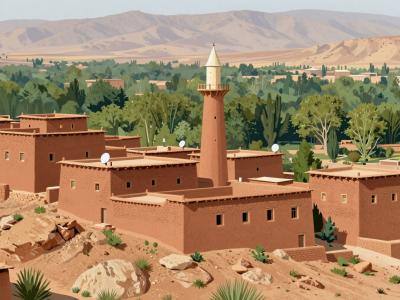
Boumalne Dades Kasbah
Historic kasbah in Boumalne Dades, Morocco
Architecture · Historic Towns
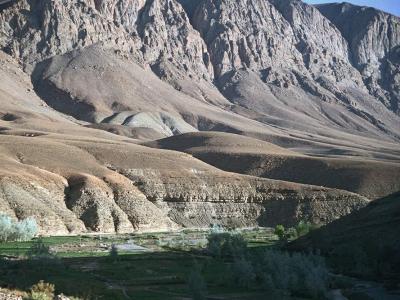
Gorges du Dadès
500m high sandstone gorges carved by the Dadès River
Activities & Adventure · Natural Wonders
Questions people ask
Quick Facts
Best Time to Visit
Visit in spring or autumn for mild temperatures ideal for hiking and exploring the gorge landscapes comfortably.