







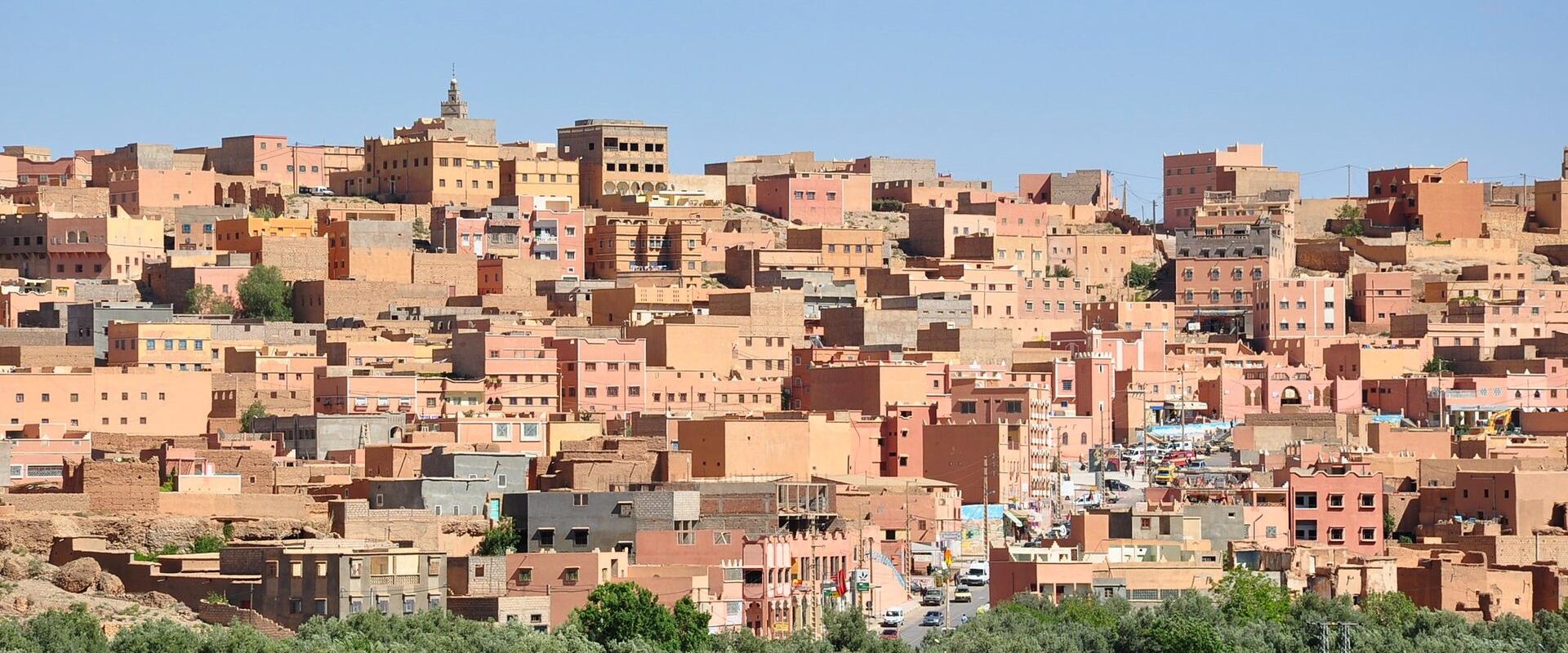
Boumalne Dades
Gateway to Dades Gorge in high-altitude Draa-Tafilalet mountains
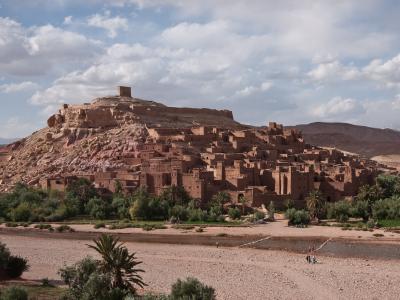
Boumalne Dades is a strategic hub in southeastern Morocco, set within the Draa-Tafilalet region. Its history is rooted in the movements of nomadic tribes, particularly the Aït Atta, who used the area for transhumance, moving flocks between the high pastures and the plains. The town developed at the point where the Dades River leaves its upper valley and meets the road connecting the High Atlas to the Sahara, making it a resting point for caravans and traders. Old kasbahs, built with earth and straw by families and tribal leaders, still stand in the villages around town, and several have been converted into guesthouses.
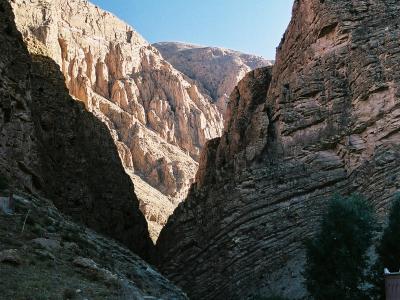
Today, it is best known as the starting point for exploring the Dades Gorge, a series of winding canyons carved by the river through limestone and sandstone. The main attraction is the Dades Gorge itself, where visitors can see towering rock formations, including the famous 'Monkey Fingers' and 'The Castle.' The landscape is arid and dramatic, with winding roads that offer sweeping views from various viewpoints. The first lookouts are only a few kilometres from town, so even a short drive gives a sense of the scale, and the road continues past small hotels and cafés to the highest bends.
Nearby, the Todra Gorge is another major attraction, located about 40 kilometres away, featuring massive vertical cliffs that rise 300 metres above the river. The two gorges are often combined in a circuit that links the valleys by a mountain track or by returning along the main road. West of Boumalne, the road to Ouarzazate passes through Kelaat M'Gouna, known for its rose cultivation, and the festival held there in spring.
The local souk offers a vibrant and authentic glimpse into the daily life of the valley. On market days, farmers and herders from remote villages bring produce, livestock, spices and clothing, and the town fills with activity. It is a good place to buy practical items and simple crafts, such as woven blankets and rugs from the surrounding villages, and a few shops sell minerals and fossils from the region.
Activities in Boumalne Dades include hiking through the gorge, visiting local Berber villages to experience traditional hospitality and exploring the palm groves that line the riverbanks. Camping sites in the valley offer a simple way to sleep under the stars, and walkers can follow paths between kasbahs and fields. Birdwatchers head to the stony plains south of town, known for desert larks and wheatears. The town also makes a base for day trips to the Skoura Palm Grove and the Kasbah of Ait Ben Haddou.
Getting to Boumalne Dades is typically done by road from Ouarzazate, a journey of about 1.5 to 2 hours through scenic mountain passes, or from Tinghir to the east. The climate is continental, with hot summers and cold winters. Snow is possible in winter, and temperatures can drop significantly at night. The best time to visit is during the spring (March to May) or autumn (September to November) when the weather is mild and suitable for outdoor activities. Summer can be extremely hot, while winter requires preparation for cold conditions. Accommodation options range from basic guesthouses to more comfortable hotels, catering to visitors who want to explore the natural beauty of the Dades Valley.
Best time to visit
Visit in spring or autumn for mild temperatures ideal for hiking and exploring the gorge landscapes comfortably.
What to see in Boumalne Dades
Our picks first.
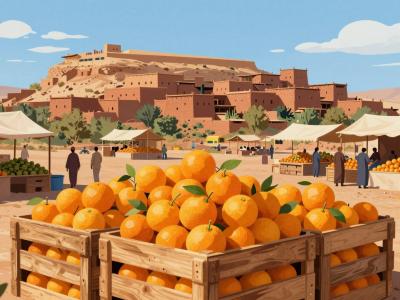
Local Souk (Market)
Weekly Wednesday open-air market for fresh produce
Free Markets · Shopping
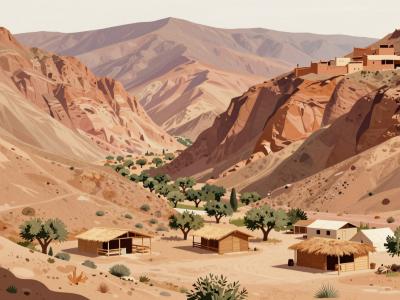
Dades Valley Camping Sites
Camping in Dades Valley's dramatic canyons
Activities & Adventure · Cultural Experiences
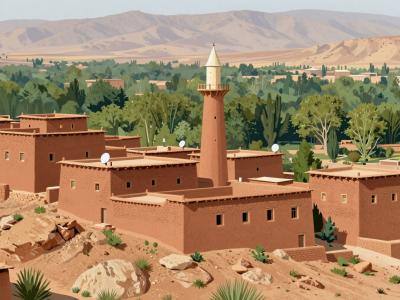
Boumalne Dades Kasbah
Historic kasbah in Boumalne Dades, Morocco
Architecture · Historic Towns
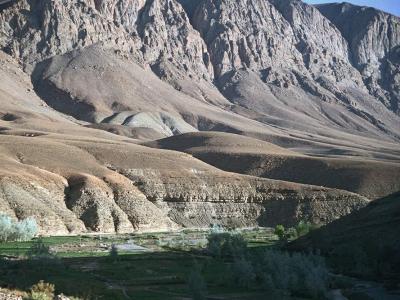
Gorges du Dadès
500m high sandstone gorges carved by the Dadès River
Activities & Adventure · Natural Wonders
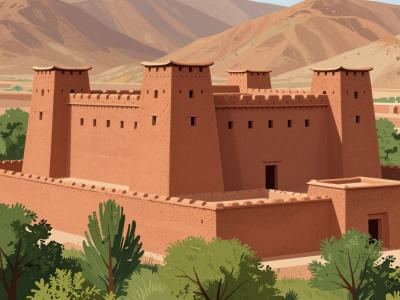
Traditional Kasbahs of the Valley
Historic Berber adobe fortresses in the High Atlas
Cultural Experiences · History & Heritage
Boumalne Dades by interest
The same sights, grouped by what you came for.
Planning a visit to Boumalne Dades
Itineraries that include Boumalne Dades
Good to know
- Currency
- MAD
- Language
- Arabic
Quick Facts
Book your stay
Questions people ask
More places in Draa-Tafilalet
Draa-Tafilalet
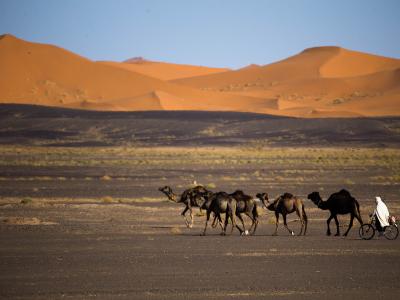
Merzouga
Merzouga: Gateway to Erg Chebbi dunes in the Sahara Desert
Draa-Tafilalet
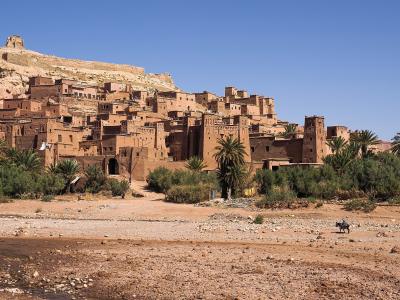
Aït Benhaddou
UNESCO fortified ksar on historic caravan route in Draa-Tafilalet
Draa-Tafilalet
Ouarzazate
Cinematic gateway to Sahara with historic kasbahs in Draa-Tafilalet
Draa-Tafilalet
Dades Gorge
Spectacular winding canyon with unique rock formations in the Atlas Mountains