







- Where
- Boumalne Dades, Draa-Tafilalet
- Directions
- Directions
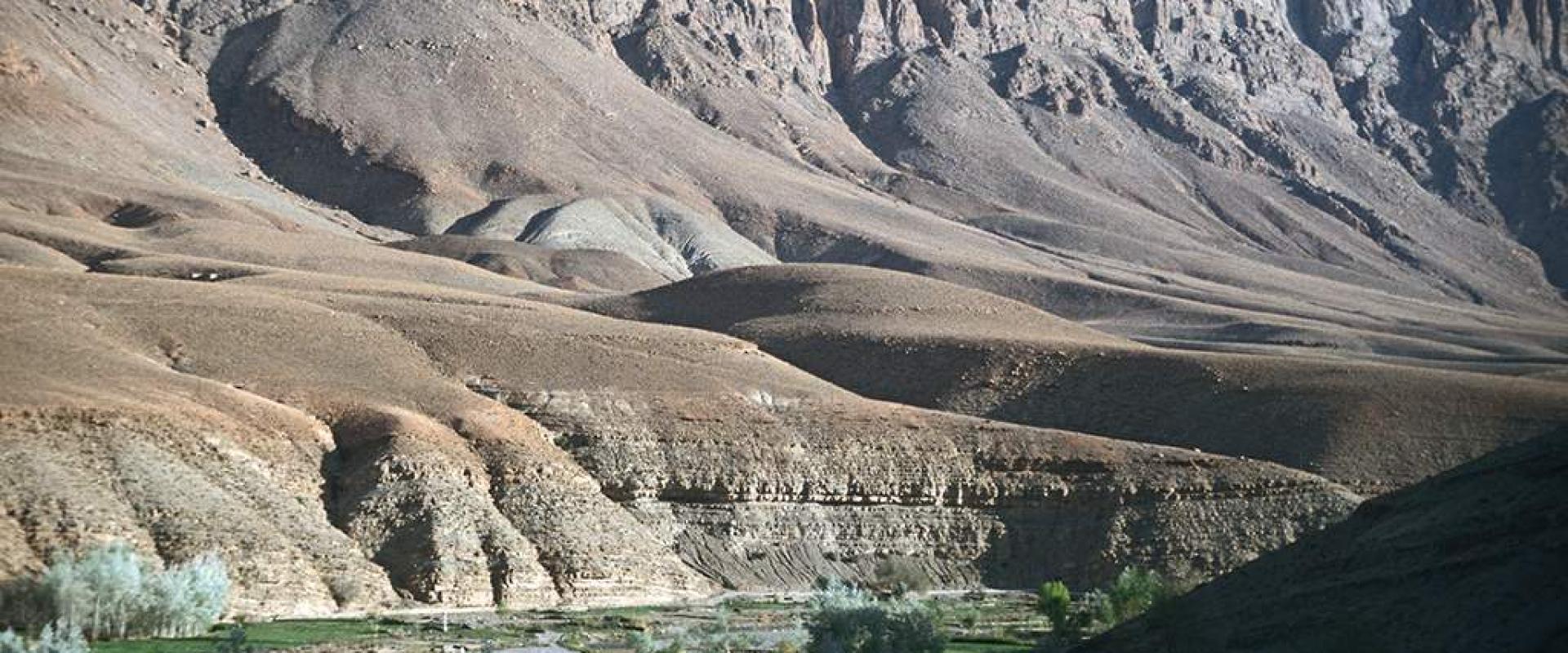
The Gorges du Dadès are the canyons cut by the Dadès River where it leaves the High Atlas Mountains, and they make a good subject for anyone curious about why the landscape looks as it does. The river rises high in the mountains and flows south and east for hundreds of kilometres through the Dades Valley at Boumalne Dades, past Skoura, and joins other streams near Ouarzazate to form the Draa, which carries what water remains toward the Sahara. For most of the year the Dadès is a modest stream, sometimes only a trickle in the stones, which makes the scale of the gorge surprising.
The explanation lies in time and in occasional violence. The walls of the gorge are made of layered sedimentary rocks, including sandstone and limestone, laid down long ago in shallow seas and river systems, and later folded, tilted and lifted as the Atlas mountains rose. The river has been cutting into these layers ever since. Most of the work is done in storms, when heavy rain in the mountains turns the stream into a brown torrent that carries gravel and boulders and undercuts the cliffs, and then the channel dries again. There is therefore a real danger of flash floods, which is why local people do not camp in the riverbed and why walkers should check the weather.
The colours of the rock make the gorge memorable. Iron-rich layers are red and orange, others are pale yellow or grey, and the bands are visible in the cliffs where erosion has cut them open. Weathering has carved pillars, ledges and caves, and in places the walls narrow until you can almost touch both sides. The lower sections of the valley are green, with fields, palms and roses, and the contrast between this fertile strip and the bare rock above is one of the pleasures of the place. Rose production is especially important in the area, and villages sell rose water and cosmetics.
Visitors can explore by car along the road that climbs beside the river, or on foot along tracks that follow the gorge floor and ridges. There are no formal gates or fees, but conditions change with the season, and parts of the road may be closed after rain or snow. Take water, sun protection and sturdy shoes, and carry a phone with a map. A local guide from Boumalne Dades can lead longer walks and explain the geology and village life.
Visitors should respect farmland and private property and ask before photographing people. The best light is in the morning and at sunset, when the cliffs glow, and spring and autumn are the most comfortable seasons. The gorge suits drivers, hikers and photographers, and it is a key stop on the route between Ouarzazate and the Sahara. It illustrates, in a single valley, how water shapes a dry land.
Categories
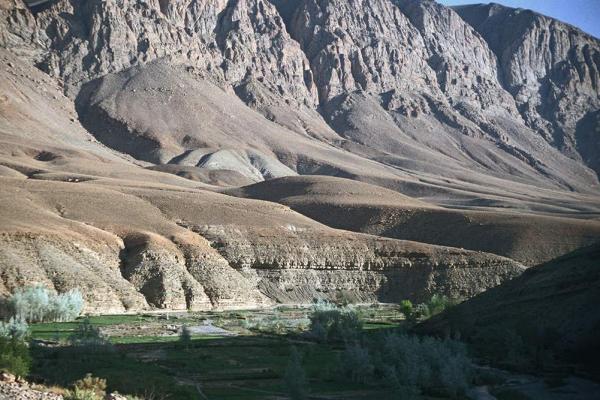
More photos coming soon
Nearby Attractions
Other places to visit in Boumalne Dades
Local Souk (Market)
Weekly Wednesday open-air market for fresh produce
Free Markets · Shopping
Dades Valley Camping Sites
Camping in Dades Valley's dramatic canyons
Activities & Adventure · Cultural Experiences
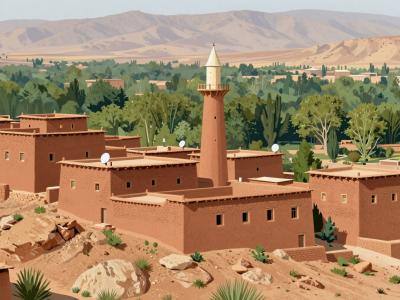
Boumalne Dades Kasbah
Historic kasbah in Boumalne Dades, Morocco
Architecture · Historic Towns
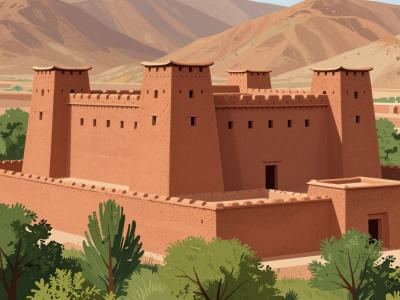
Traditional Kasbahs of the Valley
Historic Berber adobe fortresses in the High Atlas
Cultural Experiences · History & Heritage
Questions people ask
Quick Facts
Best Time to Visit
Visit in spring or autumn for mild temperatures ideal for hiking and exploring the gorge landscapes comfortably.