







- Admission
- 30 Dh
- Where
- Tangier, Tangier-Tetouan
- Directions
- Directions
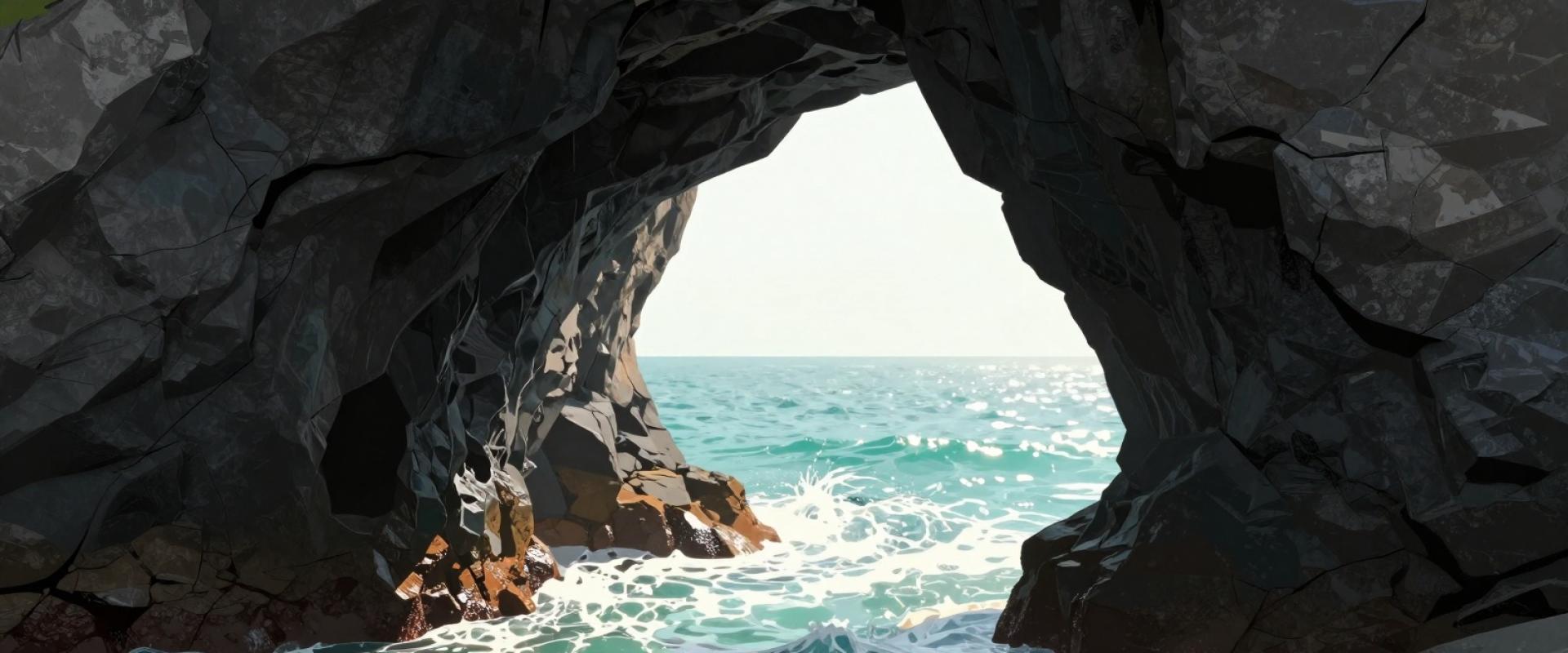
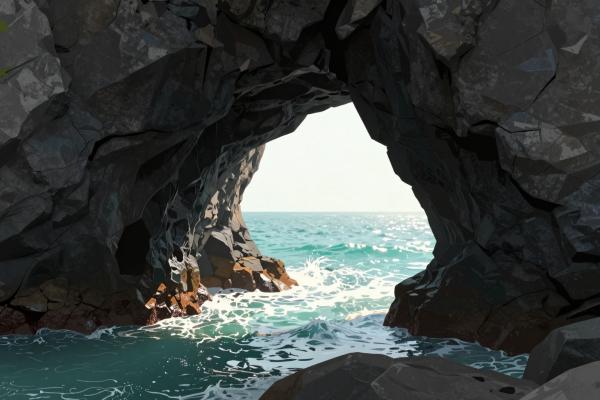
The Cave of Hercules is a sea cave on the Atlantic coast about fourteen kilometres west of Tangier, near Cap Spartel, and it is one of the most visited natural sights in northern Morocco. It is not within walking distance of the centre, as is sometimes suggested; most people arrive by taxi, bus or on a tour from the city. The cave is cut into the rocky headland, with a wide opening toward the ocean, and the combination of a dark interior, a bright mouth and the sound of waves from the Atlantic Ocean gives it a theatrical atmosphere.
The name comes from Greek mythology. According to the legend, Hercules rested here before carrying out his eleventh labour, the journey to the Garden of the Hesperides, and the nearby Strait of Gibraltar was said to have been formed when he split the mountains of Europe and Africa, creating the Pillars of Hercules. Tangier is the place where this myth was most naturally located, since it sits at the meeting of the Mediterranean and the Atlantic, and the cave has been connected with the story for centuries. Historians believe the cave was also used in antiquity as a quarry for millstones, and circular scars on the walls show where stones were cut out.
The most famous feature is the opening on the seaward side, whose outline looks like a map of Africa when seen from inside the cave. This effect is partly natural and partly the result of quarrying, and it works best when you stand in the right spot and look toward the light. Guides and local people will point it out and offer to take photographs. Below, waves come in through a lower opening, and in rough weather spray can enter the cave. The floor can be wet and slippery, so shoes with good grip are important.
Outside the cave, stalls sell souvenirs and snacks, and camel and horse rides are offered to visitors. There are views of the coast, the sea and, on clear days, glimpses of Spain across the Strait of Gibraltar. It is worth combining the visit with Cap Spartel, a short drive away, where the lighthouse marks the meeting point of the Mediterranean and Atlantic, and with the nearby beaches. Opening times and the admission charge change, so check them locally.
Travel back toward the city by taxi, and consider returning via the Kasbah Museum and the Grand Socco if time allows. Visitors will find the site suits families, photographers and those who like myth and landscape together, and a visit takes under an hour. Go in the morning or late afternoon to avoid the largest tour groups.
More photos coming soon
Admission Fees
- Admission
- 30 Dh
Hours and prices change, especially out of season. Check with the venue before you go.
Nearby Attractions
Other places to visit in Tangier
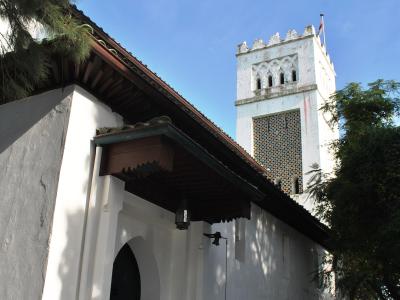
St. Andrew's Church
1905 Moorish-style Anglican church in Tangier
History & Heritage · Architecture
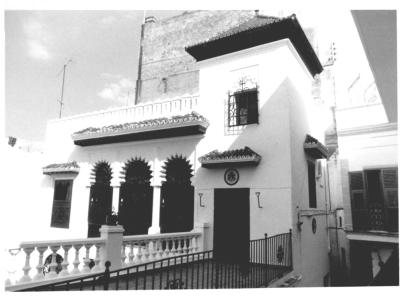
Tangier American Legation Institute for Moroccan Studies
Only U.S. National Historic Landmark overseas
Free Cultural Experiences · History & Heritage
Tangier Medina
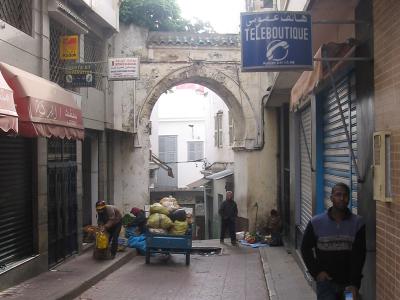
Ancient medina blending Hispano-Moorish architecture
Historic Towns · Local Crafts
Kasbah Museum
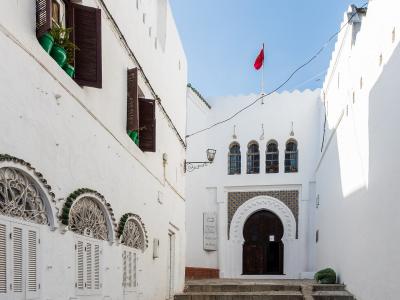
Former sultan's palace with Andalusian gardens
From MAD 60 Museums · Palaces
Questions people ask
Quick Facts
Best Time to Visit
April to October. Summers are dry and warm; winters are wet, with about 100 mm of rain in January, and strong winds can cancel ferries to Spain.