







Cedar Forest of Azrou
Ancient cedar reserve and Barbary macaque habitat
- Admission
- Free entry
- Parking 10–20 MAD
- Where
- Azrou, Fes-Meknes
- Directions
- Directions
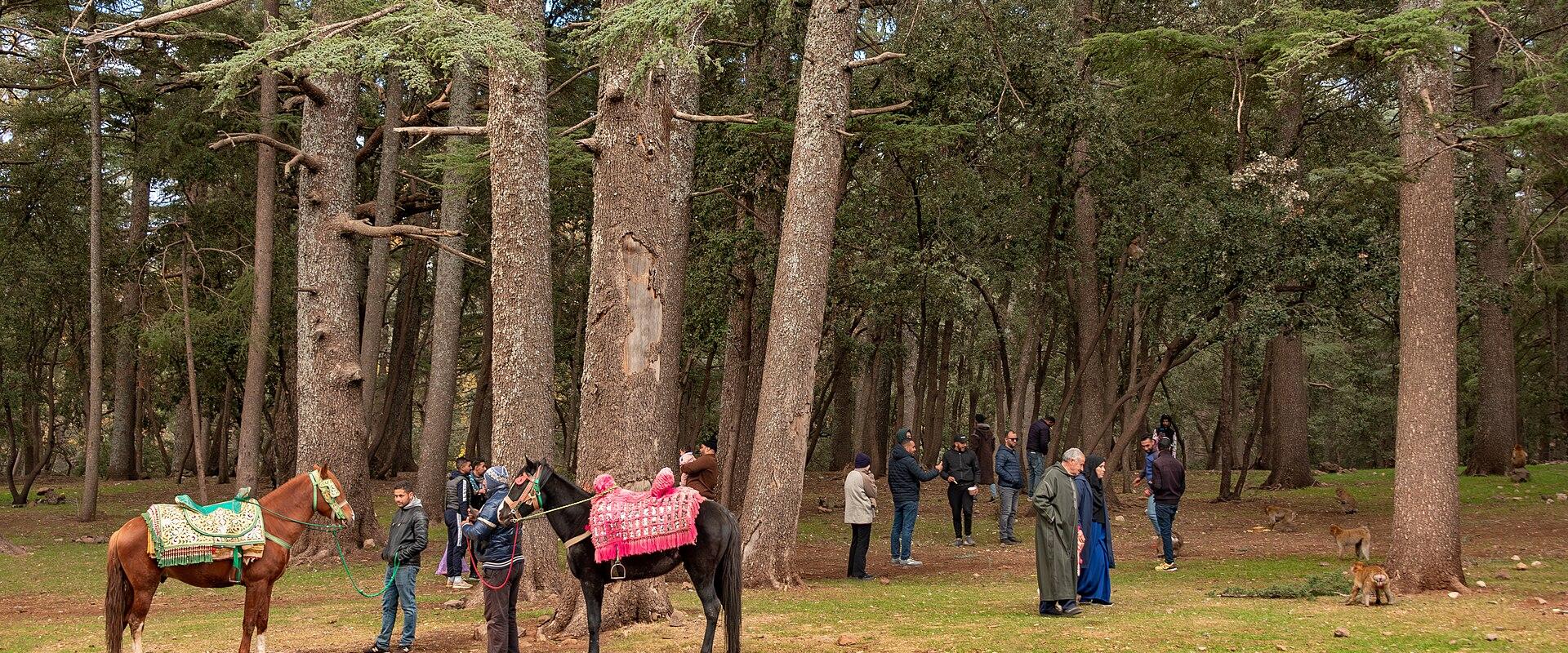
The Cedar Forest of Azrou is part of the great belt of Atlas cedar that covers the Middle Atlas Mountains, and it is one of the most accessible places in Morocco to walk among ancient trees and meet wild monkeys. The forest lies around the town of Azrou, at an altitude of well over a thousand metres, about ninety kilometres from Fes and a short drive from Ifrane. The Atlas cedar is a majestic conifer, with a flat-topped crown and blue-green needles, and some individual trees in the forest are many centuries old, while others form dense stands that give the area a cool, shady atmosphere even in summer. The old timber of the region was a major resource, and cedar wood has been used for centuries in carving, doors and roofing beams.
Azrou itself is worth a look. The name means rock in the Amazigh language, and it refers to a volcanic outcrop near the town centre. The town is a lively market centre for the surrounding Berber communities, and it is known for its crafts, particularly cedar carving, carpets woven by tribes of the Middle Atlas and wool products. The Ennour mosque, built in a regional style with local cedar, is a feature of the town, and an artisan centre sells local work at fixed prices. In the town's cafés, visitors can sample thick soups, grilled meats and mint tea, and the cool mountain air makes a pleasant change from the plains.
The forest's most famous residents are the Barbary macaques, North Africa’s only wild monkeys, which live in family troops among the cedars. They are endangered because of habitat loss and capture for the pet trade, and the Azrou forest has one of the largest remaining populations. Troops are often seen beside the road and at picnic spots, where they are accustomed to people, but they are wild animals and should be treated as such. Do not feed them, since it makes them dependent and can spread disease, keep bags and food out of sight and keep a respectful distance. The best times to see them are in the early morning and late afternoon, and in spring and early summer, when infants cling to their mothers.
Beyond the monkeys, walking among the cedars is itself a pleasure. A famous old tree, the Cèdre Gouraud, stands within reach of the road, and tracks and paths lead into the woods past meadows and streams. Birds, wild boar and other wildlife live in the forest, and in winter snow turns the scene white. Wear layers, since the mountain weather can change quickly, and take water.
Visitors should take rubbish away, stay on paths and avoid lighting fires, which are a serious risk in dry months. The forest suits families, walkers and wildlife lovers, and it pairs naturally with Ifrane and its lakes. A morning among the cedars and an afternoon in the town make a satisfying day, and a reminder of how much of Morocco’s landscape is forest.
Categories
More photos coming soon
Admission Fees
- Admission
- Free entry; parking 10–20 MAD
Hours and prices change, especially out of season. Check with the venue before you go.
Nearby Attractions
Closest attractions by distance
Cedar Forest of Ifrane
Ancient Atlas cedar forest in Ifrane
Natural Wonders · Hiking
Ifrane National Park
Middle Atlas park protecting Barbary macaques and wetlands
Activities & Adventure · Natural Wonders
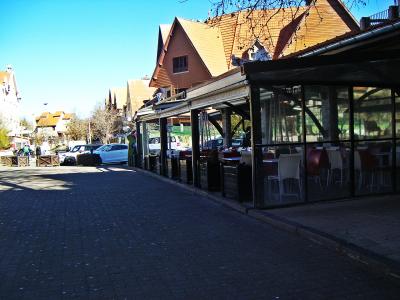
Ifrane Town Center (Place de l'Indépendance)
Historic French colonial plaza in the Atlas Mountains
Cultural Experiences · History & Heritage
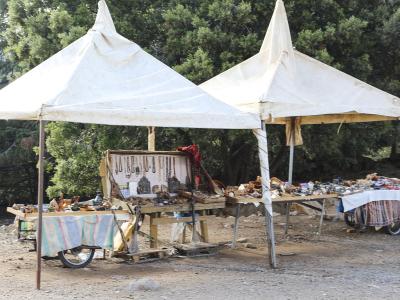
Local Artisan Markets
Traditional Berber crafts in Ifrane's cedar forests
Free Local Crafts · Markets
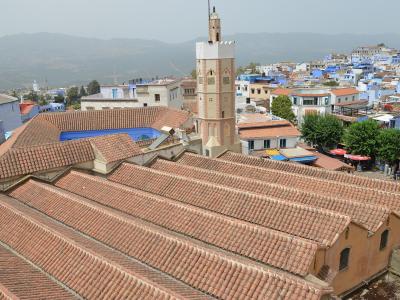
Grand Mosque (Great Mosque)
15th-century mosque at Place Outa Hammam
Architecture · Historic Towns
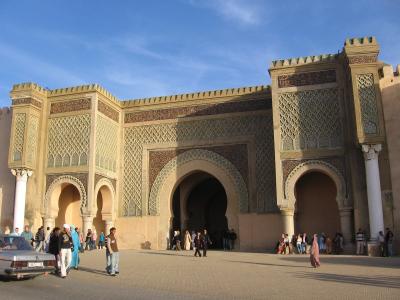
Bab Mansour al-Alou
Morocco's largest monumental ceremonial gate
Cultural Experiences · History & Heritage
Kasbah of Meknes
UNESCO site and former Moroccan Versailles
Architecture · City Walls
Mausoleum of Moulay Ismail
18th-century mausoleum of Morocco's longest-reigning sultan
History & Heritage · Cemeteries
Questions people ask
Quick Facts
Best Time to Visit
Visit in spring or autumn for mild temperatures ideal for hiking and wildlife viewing comfortably.