

- Where
- Marrakech, Marrakech-Safi
- Directions
- Directions
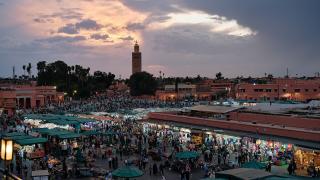
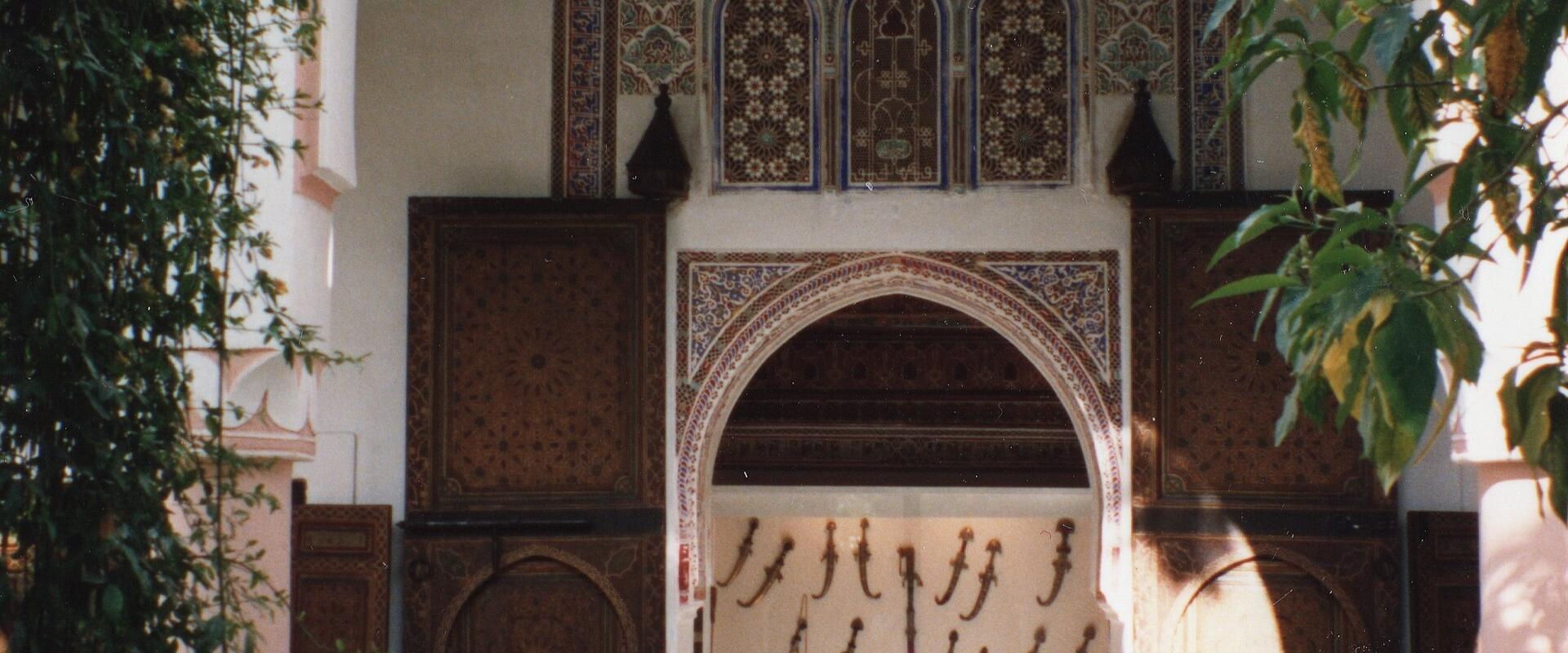
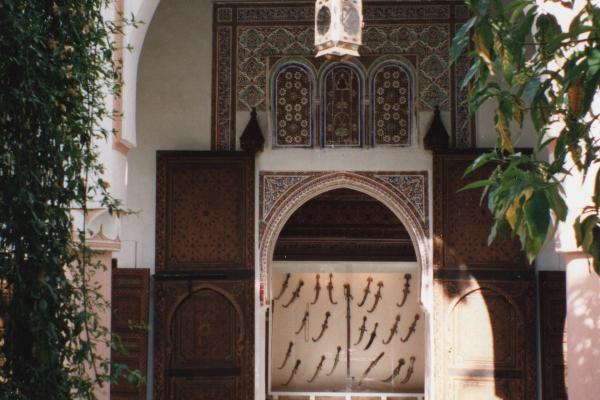
Inside the medina, the Dar Si Said Museum offers a quiet refuge from the bustling streets of Marrakech. This historic site, now home to the National Museum of Weaving and Carpets, occupies a beautiful 19th-century palace built for Si Said, brother of the grand vizier Ba Ahmed. The architecture itself is a primary attraction, featuring intricate zellige tile work and ornate cedar wood ceilings that showcase traditional Moorish and Andalusian design elements.
Visitors explore a comprehensive collection of Moroccan craftsmanship, including detailed woodwork, jewelry, and textiles. The exhibits highlight the rich cultural heritage of the region, with a special focus on Amazigh traditions. Visitors can view an extensive array of carpets and woven goods that tell the story of local artisanal skills. The museum provides a peaceful environment to appreciate the nuances of traditional Moroccan art, offering a stark contrast to the vibrant chaos of the surrounding medina.
Located near the Bahia Palace, the site is easily accessible for those exploring the old city. The atmosphere remains serene, allowing guests to fully absorb the cultural significance of the artifacts on display. This setting provides a meaningful opportunity to understand the artistic heritage of Morocco, making it a valuable stop for those interested in the history and craft of the region.
The palace was built in the late nineteenth century, at the same time as the nearby Bahia Palace of Si Said's brother, Ba Ahmed, the powerful grand vizier of Sultan Moulay Abdelaziz. Its courtyard garden, with a fountain and a painted wooden pavilion, is surrounded by rooms with painted ceilings, and the upstairs reception room has one of the most beautiful ceilings in Marrakech. The museum's carpets come from different parts of Morocco, and the displays explain how designs, colours and knots differ between the regions and tribes that made them.
The Bahia Palace, a few minutes' walk away, is one of the city's most visited monuments, and the Mellah, the old Jewish quarter, lies just to the south, with its spice market and the Lazama synagogue. Visiting Dar Si Said early in the day, before the larger tour groups reach the Bahia, gives a quieter experience.
Categories
More photos coming soon
Nearby Attractions
Other places to visit in Marrakech
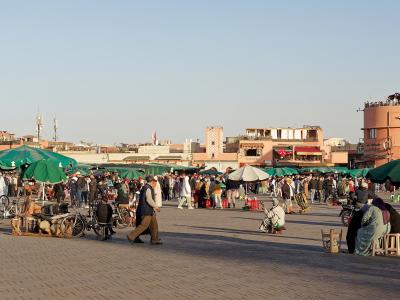
Jemaa el-Fnaa
Historic square and UNESCO intangible heritage site
City Centers · Town Squares
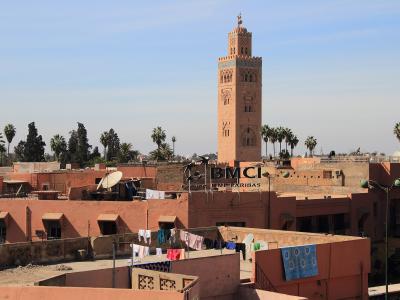
Koutoubia Mosque
12th-century Almohad minaret in Marrakech
Free Architecture · Historic Towns
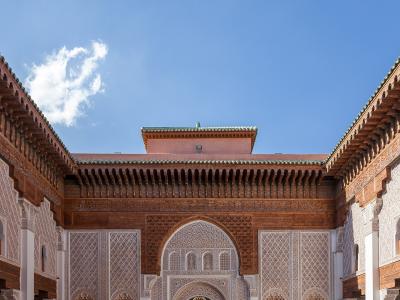
Ben Youssef Madrasa
16th-century Islamic school in Marrakech
Cultural Experiences · History & Heritage
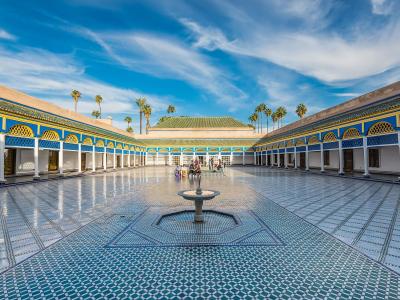
Bahia Palace
19th-century palace with stunning mosaics and gardens
Cultural Experiences · History & Heritage
Questions people ask
Quick Facts
Best Time to Visit
Visit in spring or autumn for mild temperatures ideal for exploring the medina and gardens.