







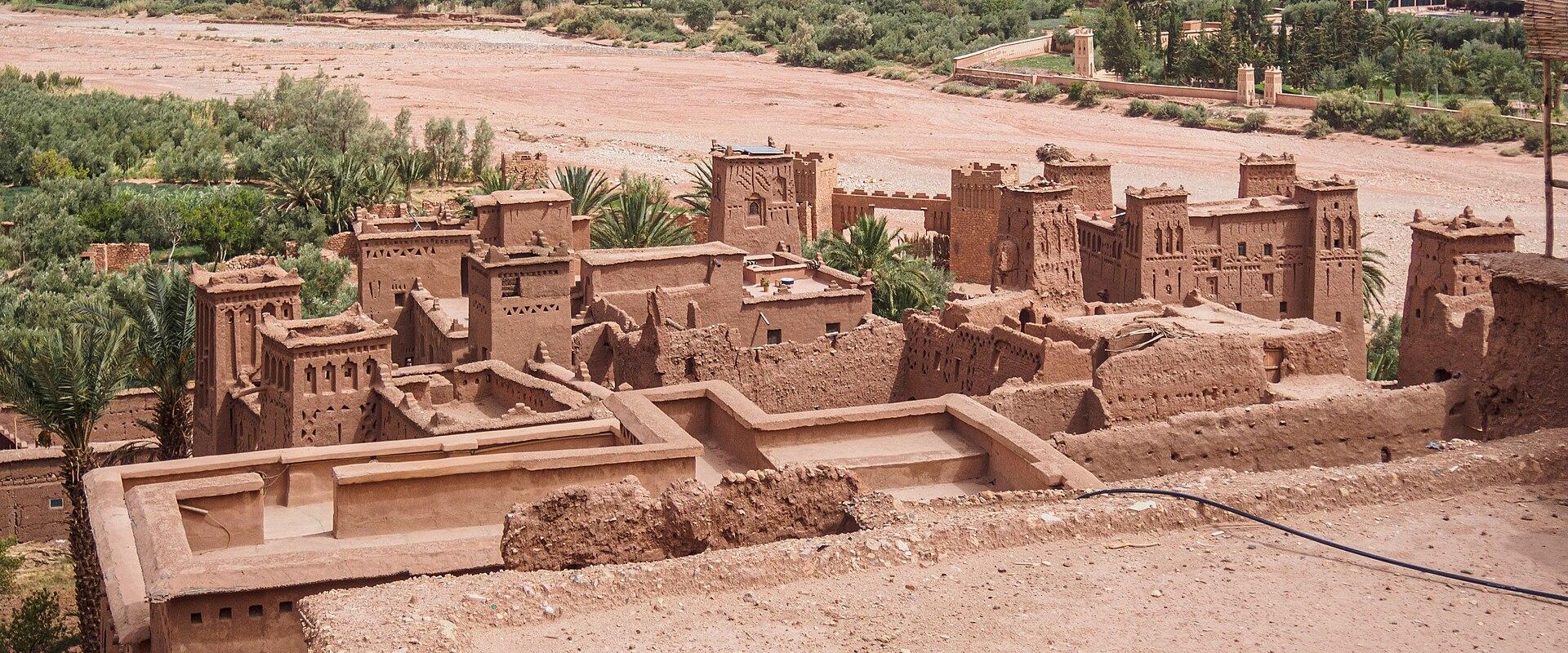
Kasbah of Tighremt Oufella
UNESCO-listed 11th-century earthen clay fortress
- Where
- Aït Benhaddou, Draa-Tafilalet
- Directions
- Directions
The Kasbah of Tighremt Oufella is one of the notable fortified houses within the Ksar of Aït Benhaddou, the earthen village inscribed by UNESCO as a World Heritage Site in Ouarzazate Province, Morocco, and the name itself tells you something useful about how such buildings work. A tighremt, in the Amazigh language, is a fortified family house, usually tall and square, built of earth with corner towers, and kept by a notable family. Oufella means upper, which suggests a house in the higher part of the settlement. Visitors often use the word kasbah loosely for such buildings, though in strict terms a ksar is the whole fortified village and a tighremt or kasbah is a fortified house within or beside it.
The setting is the Ounila Valley, on the old caravan route that linked the Sahara with Marrakesh, carrying the Saharan trade north, across the High Atlas passes, with the Tizi n'Tichka pass at its northern end. The settlement is traditionally dated to the Almoravid period of the eleventh century, though visitors should treat early dates with caution, because the buildings seen today mostly date from the seventeenth century and later and need constant repair. The materials are rammed earth and mud brick plastered with clay and straw, and the towers carry geometric patterns near the top, formed by indentations in the plaster. Such details show a decorative tradition shared by Berber builders across the Moroccan south.
Climbing through the upper part of the ksar, you see how these houses were organised. The ground floor, with thick walls and small openings, is for animals and storage, the first floor for the family, and the upper rooms and roof terrace for daily activity and sleeping in summer. Narrow stairs link the levels, and carved wooden doors and window frames show the status of the family. From the roof there is an extensive view over the ksar, the river and the palm groves, and the surrounding hills show the dry plateau that explains the need for fortification. The overall impression is of a village that grew organically around its strong houses, all connected by alleys.
There is no strict opening time or formal entrance charge for the open lanes, though houses that are private or run as small museums may ask for a fee or a tip. A local guide can explain the history and help with access. Wear shoes with grip, since the paths are steep and loose, and visit in the early morning or late afternoon for light and cooler temperatures. Respect residents' privacy and ask before photographing people.
The kasbah suits visitors interested in architecture and Saharan history, and it fits naturally with a walk through the whole ksar, the main gate and the house tours. Together they show the world of the High Atlas valleys, and how Morocco’s southern communities organised themselves around water, trade and defence, in a landscape that is still scattered with towers.
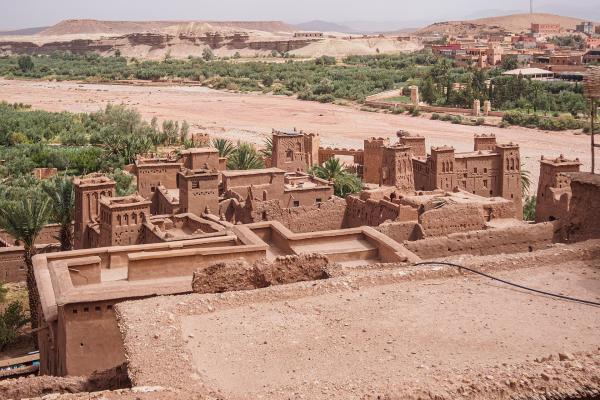
More photos coming soon
Nearby Attractions
Other places to visit in Aït Benhaddou
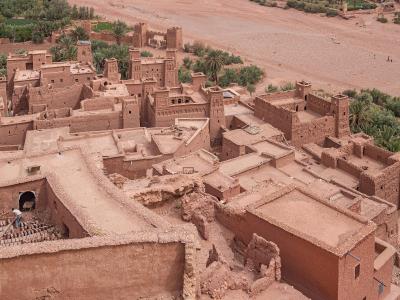
The Main Gate (Bab El Hadid)
11th-century fortified village on trans-Saharan trade route
Cultural Experiences · History & Heritage
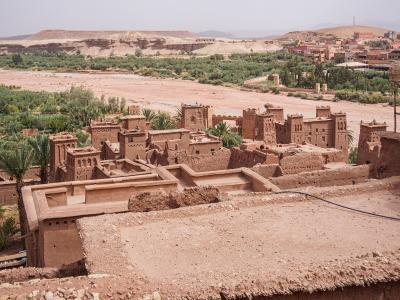
Kasbah of Ait Benhaddou
UNESCO-listed fortified mudbrick village in Morocco
From MAD 40 Cultural Experiences · History & Heritage
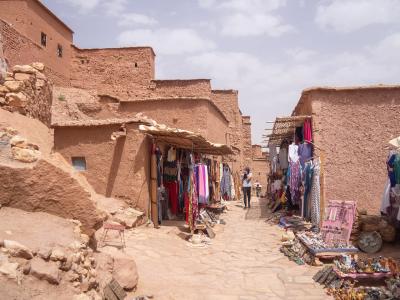
Local Souk Area
UNESCO earthen ksar on ancient caravan routes
Historic Towns · Local Crafts
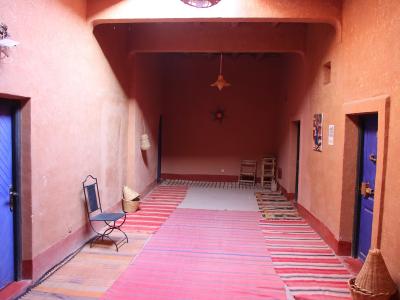
Traditional Berber House Tours
UNESCO kasbah of traditional Berber earthen architecture
Free Activities & Adventure · Cultural Experiences
Questions people ask
Quick Facts
Best Time to Visit
Visit in spring or autumn for mild temperatures ideal for exploring the ksar and surrounding desert landscapes comfortably.