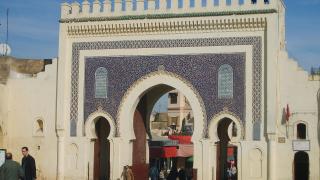
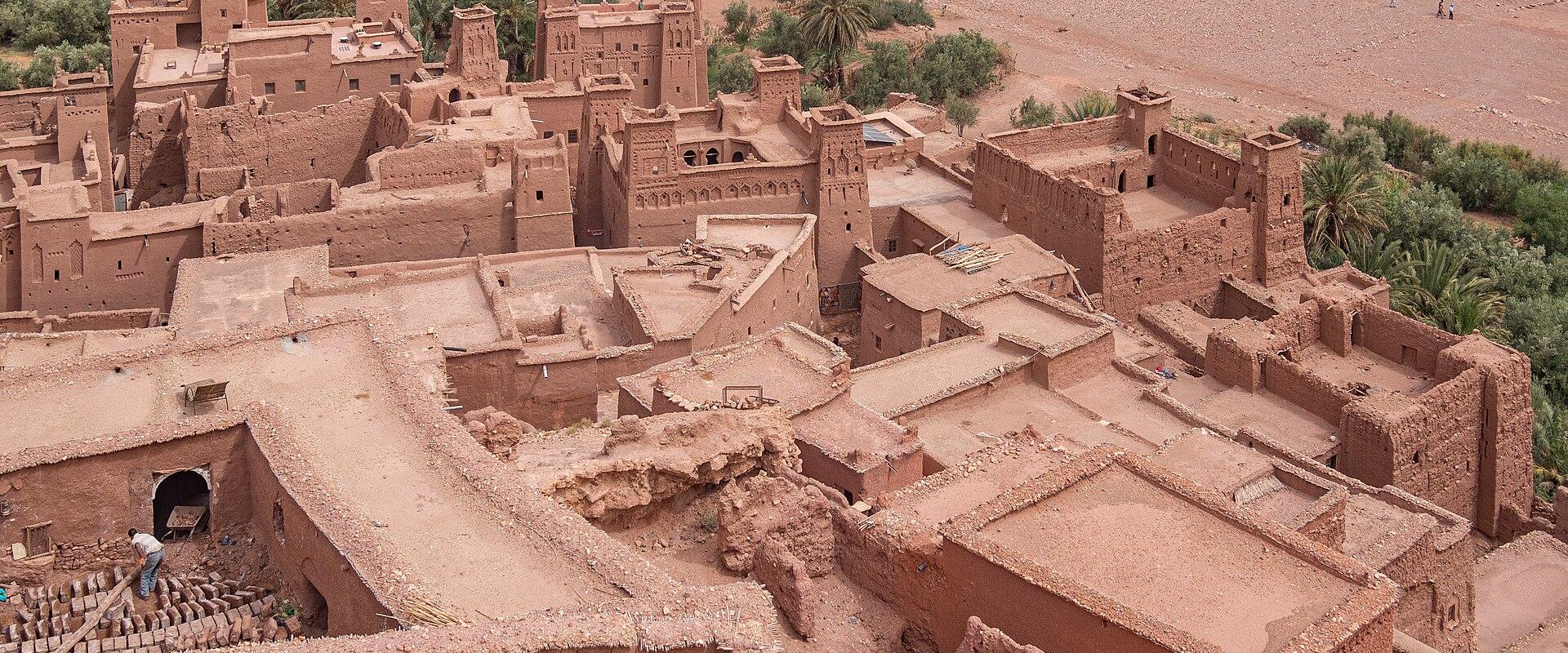
The Main Gate (Bab El Hadid)
11th-century fortified village on trans-Saharan trade route
- Where
- Aït Benhaddou, Draa-Tafilalet
- Directions
- Directions
The approach to Aït Benhaddou begins at the edge of the Ounila river valley, where the earthen towers of the ksar rise above the dry riverbed and a path leads up to the main entrance. A name like Bab El Hadid, meaning the gate of iron, is not well documented for this place, and the entrance should be understood simply as the principal way into the fortified village, the point where you leave the road and its tea stalls behind and step into the lanes.
The Ksar is one of the best-known examples of southern Moroccan earthen architecture. It was inscribed as a UNESCO World Heritage Site in 1987, and it is among Morocco’s most photographed monuments. The standing buildings are largely the product of the seventeenth century and later, though communities have lived along this route for much longer, and the position makes sense: the settlement sat on the old caravan road, a Saharan route linking the Sahara with Marrakech through the High Atlas passes, where goods and travellers would stop to rest, trade and pay for protection. Although the Almoravid period is sometimes cited as part of the story of the wider region, visitors should treat precise early dates with caution.
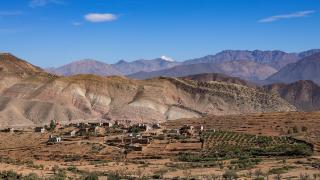
Visitors passing the entrance meet the defensive logic of the place. Houses are built close together, with high windowless outer walls, narrow alleys and corner towers decorated with geometric patterns pressed into the clay. The material is rammed earth and mud brick mixed with straw, a combination that insulates well but needs constant maintenance, because rain erodes it. At the top of the settlement stands the agadir, a communal granary used to store grain and valuables, and from there the view across the river, palm groves and surrounding hills explains why the position was chosen.
Only a handful of Berber families still live inside the old ksar, while most of the community now lives in newer houses on the opposite bank. Some of them sell crafts, paintings and tea in the lanes, and it is normal to be invited to look into a house or a workshop; polite bargaining and a small purchase are the usual courtesy. Because the village has served as a film location for many productions, the setting may feel familiar even on a first visit.
The best light is early morning or late afternoon, when the walls glow and the crowds are thin. The entrance suits history lovers, photographers and anyone planning to continue along the road to Ouarzazate, and it makes a natural start to a walk past the Kasbah of Tighremt Oufella and the other buildings nearby.
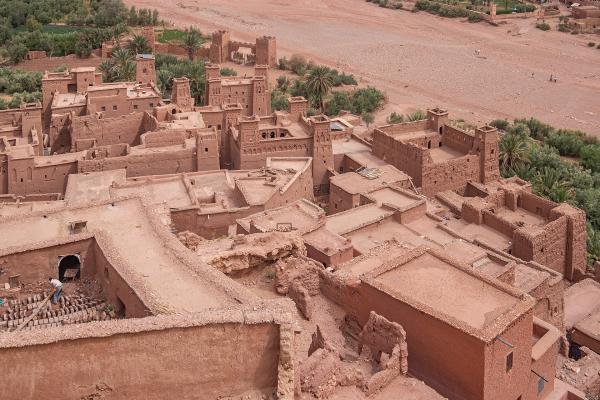
More photos coming soon
Nearby Attractions
Other places to visit in Aït Benhaddou
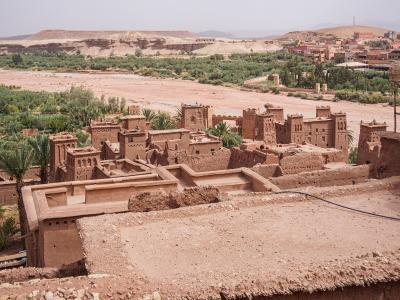
Kasbah of Ait Benhaddou
UNESCO-listed fortified mudbrick village in Morocco
From MAD 40 Cultural Experiences · History & Heritage
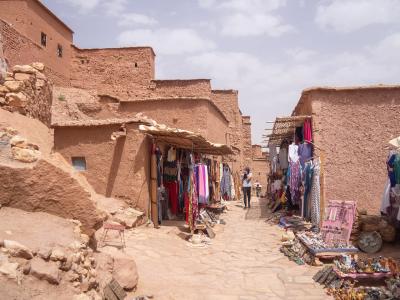
Local Souk Area
UNESCO earthen ksar on ancient caravan routes
Historic Towns · Local Crafts
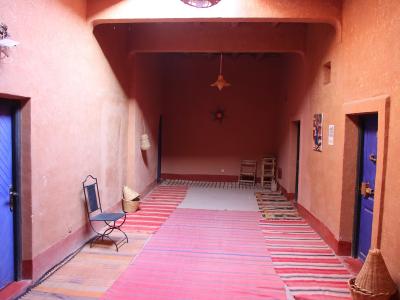
Traditional Berber House Tours
UNESCO kasbah of traditional Berber earthen architecture
Free Activities & Adventure · Cultural Experiences
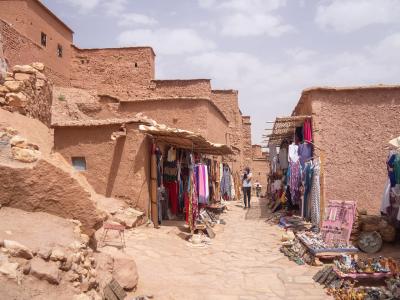
Ksar of Ait Benhaddou
UNESCO earthen fortress and historic film location
Cultural Experiences · History & Heritage
Questions people ask
Quick Facts
Best Time to Visit
Visit in spring or autumn for mild temperatures ideal for exploring the ksar and surrounding desert landscapes comfortably.