
- Where
- Salé, Rabat-Salé-Kénitra
- Directions
- Directions
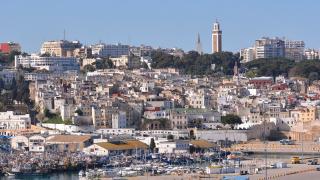
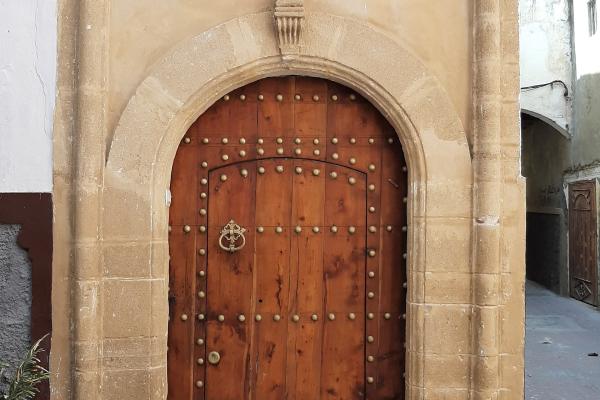
The Medina of Salé lies on the north bank of the Bou Regreg River, directly across from Rabat, and it is one of the oldest urban districts in Morocco. The two cities have long been paired and contrasted: Rabat as the official capital, and Salé as its older, more working-class neighbour. The old town of Salé, enclosed by walls that were mostly built in the Almohad and Marinid periods, has been inhabited for roughly a thousand years, and it was a significant port and trading centre long before Rabat grew into a capital. In the seventeenth century it was also known for its corsairs, who operated from the river mouth and gave rise to the legend of the Salé Rovers.
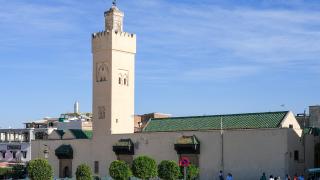
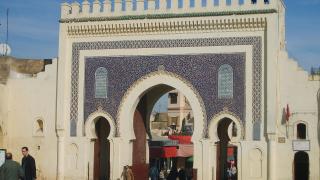
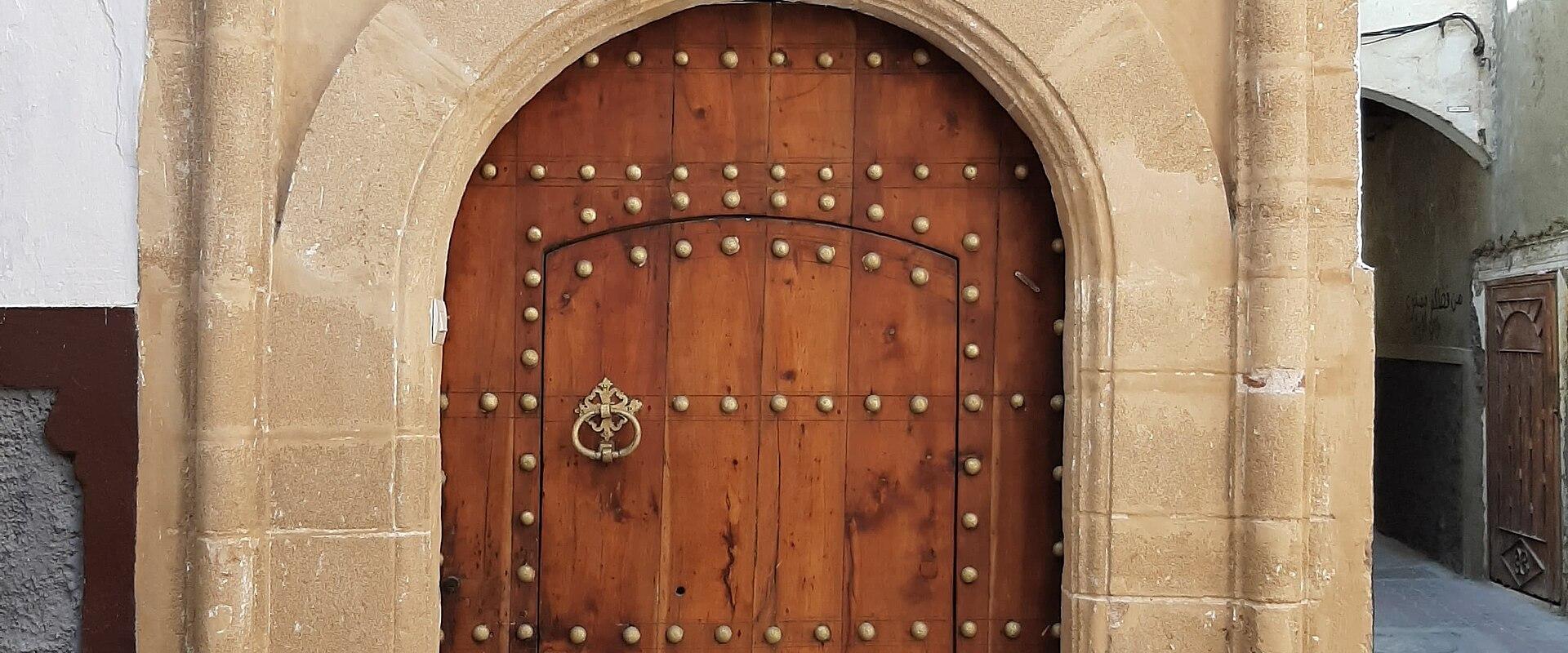
Today the medina is a quieter and more everyday alternative to the larger medinas of Fez and Marrakech. Its lanes are lined with modest houses, small shops, bakeries and workshops serving local residents rather than tour groups, and prices in the souks are accordingly lower. The Great Mosque, which has its origins in the twelfth century, and the Marinid Madrasa beside it are the main historic monuments. The madrasa, built in the fourteenth century, has carved cedar, stucco and tile of excellent quality, and its roof gives a view over the medina and the river toward Rabat. Several gates in the walls, such as Bab Mrisa on the river side and Bab Fes, are impressive in themselves.
The medina also has a strong religious and cultural character. The zawiya of Sidi Abdallah ben Hassoun, a local saint, is the focus of the annual candle procession held around the Prophet's birthday, a colourful tradition in which decorated candles are carried through the town. The Salé Museum, in a historic building, shows local crafts and history. Craft workshops, particularly those making embroidery, pottery and woodwork in styles with Andalusian and Moroccan roots, are scattered through the lanes, and a visit to a pottery quarter outside the walls shows traditional kilns in operation.
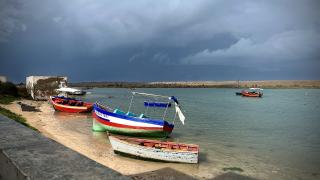
The medina is easy to reach from Rabat by crossing the river, either by the tram, by taxi or by the small river boats that ply the Bou Regreg. The crossing itself offers a fine view of both cities and the Atlantic Ocean beyond. Walking through Salé’s lanes, you notice the contrast with Rabat’s wide avenues and gardens, and the pace of daily life seems slower.
Visitors should dress modestly, ask before photographing people and keep valuables secure in busy lanes. Signs are limited, so a map or a local guide is useful. Morning is the best time, when the markets are most active. The medina suits those who want an authentic, less touristy old town and who are curious about the long relationship between Salé and Rabat.
Categories
More photos coming soon
Nearby Attractions
Other places to visit in Salé
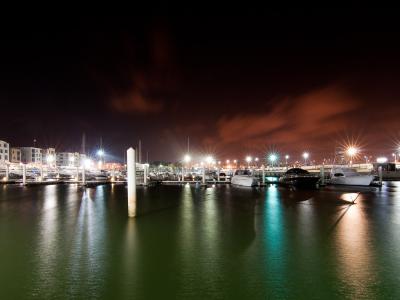
Bouregreg Marina
Modern marina on Salé's Bouregreg River
Coastal & Maritime · Urban Exploration
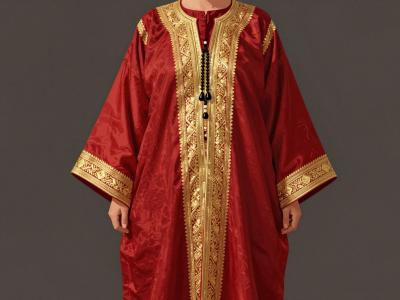
Salé Museum (Musée de Salé)
Museum housed in a historic 17th-century medersa
Architecture · Museums
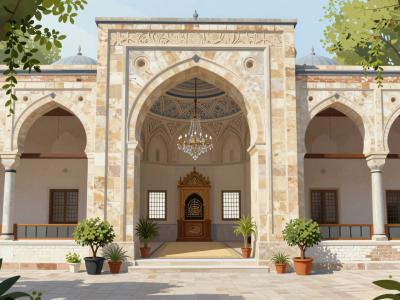
Grand Mosque of Salé (Jamaa Kebira)
12th-century Almohad mosque, Morocco's third-largest
Ancient Sites · Architecture
Questions people ask
Quick Facts
Best Time to Visit
Visit in spring or autumn for mild temperatures ideal for exploring the medina and coastal areas comfortably.