- Where
- Marrakech, Marrakech-Safi
- Directions
- Directions
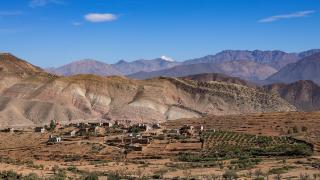
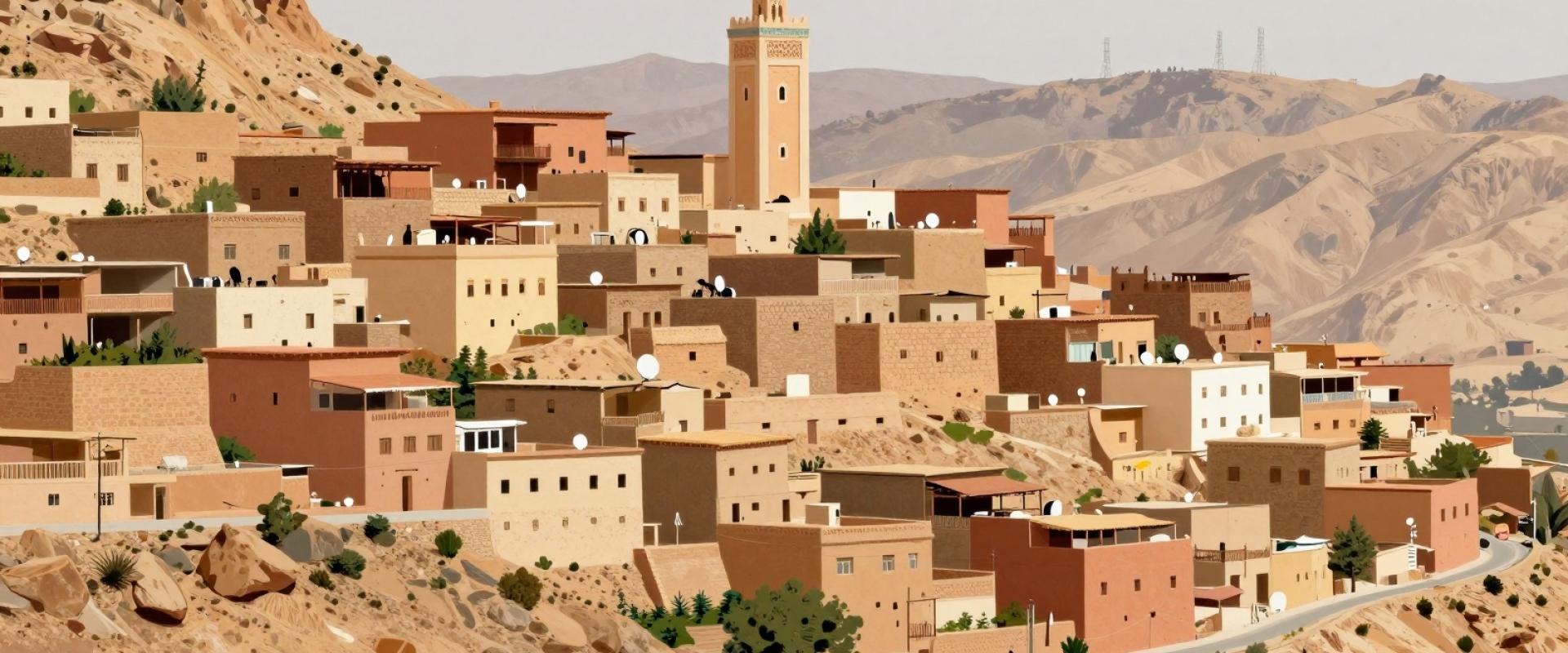
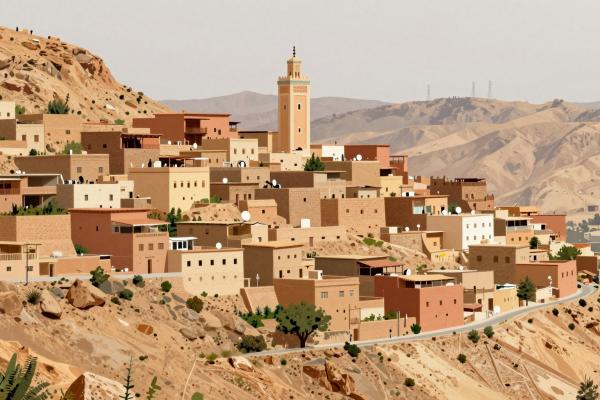
Moulay Brahim is a small mountain town on the road south from Marrakech toward Asni and the High Atlas, about forty kilometres from the city, and it is known throughout Morocco as a place of pilgrimage. It lies in a narrow valley in the foothills of the High Atlas Mountains, with houses of earth and stone stacked up the slopes and a stream running below. The direction matters, because some descriptions place it to the northwest of Marrakech; in fact it lies in the southern approaches to the mountains, on the way to the Ourika and Asni valleys, which makes it an easy half-day excursion from the city.
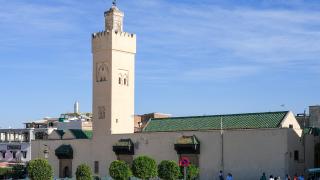
The town takes its name from a saint, Moulay Brahim, whose shrine, or zawiya, is the focus of religious life. In Moroccan Islam, saints are revered as holy people whose blessing, or baraka, is believed to benefit those who visit, and their tombs are visited for prayer, healing and seasonal gatherings. The tradition is associated with Sufism, the mystical current of Islam, which has long shaped popular religious practice in the countryside, often through Sufi brotherhoods. The shrine at Moulay Brahim draws visitors from Marrakech and further afield, particularly at the annual moussem, a festival of pilgrimage with prayers, communal meals and markets. The building is a modest complex with a green-tiled roof and courtyards, and the surrounding lanes are lined with small shops that sell religious items, snacks and local crafts.
The town is quiet outside festival days, with a rhythm set by the call to prayer and the arrival of small groups of pilgrims. Travelers who want to see a side of Morocco that is not connected with mass tourism will find it rewarding, and the pace is slow and friendly. The valley around it is farmed in terraces, with walnut and olive trees, and in places villagers still use traditional irrigation. The air is cooler than in Marrakech, and in spring the hills are green.
Visitors should be aware that the shrine is an active place of worship, and non-Muslims are generally not allowed to enter the inner sanctuary, though the exterior can be seen. Dress modestly, speak quietly and ask before taking photographs. The September 2023 earthquake that struck the High Atlas caused damage in the area, and some buildings were affected, so conditions on the ground may differ from other accounts. Visiting respectfully, buying from local shops and eating in local cafés is a good way to support recovery.
Facilities are basic, so carry water and cash. The road from Marrakech is winding but paved, and it is best to go in the morning. The town suits those interested in Sufism, pilgrimage and rural life, and it combines well with the valleys of Asni and Ourika. It offers a calm contrast to the city and the opportunity to meet people in the mountains.
Categories
More photos coming soon
Nearby Attractions
Other places to visit in Marrakech
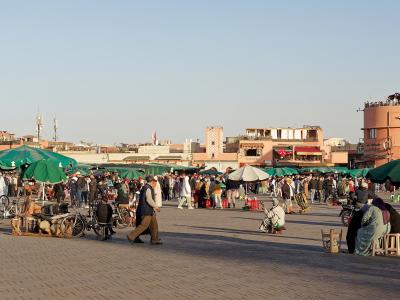
Jemaa el-Fnaa
Historic square and UNESCO intangible heritage site
City Centers · Town Squares
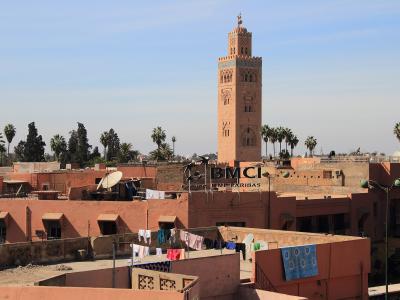
Koutoubia Mosque
12th-century Almohad minaret in Marrakech
Free Architecture · Historic Towns
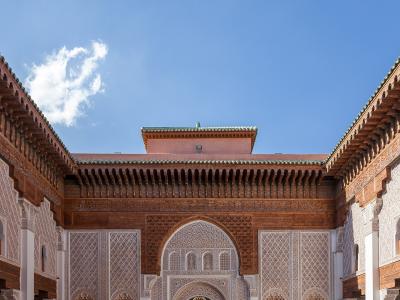
Ben Youssef Madrasa
16th-century Islamic school in Marrakech
Cultural Experiences · History & Heritage
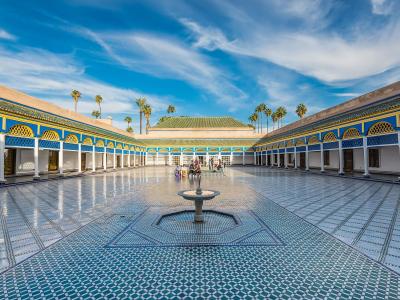
Bahia Palace
19th-century palace with stunning mosaics and gardens
Cultural Experiences · History & Heritage
Questions people ask
Quick Facts
Best Time to Visit
Visit in spring or autumn for mild temperatures ideal for exploring the medina and gardens.