







Parc National de l'Agadir
Souss Wildlife Park: Addax, Dorcas Gazelle, and Oryx Cons...
- Where
- Agadir, Souss-Massa
- Directions
- Directions
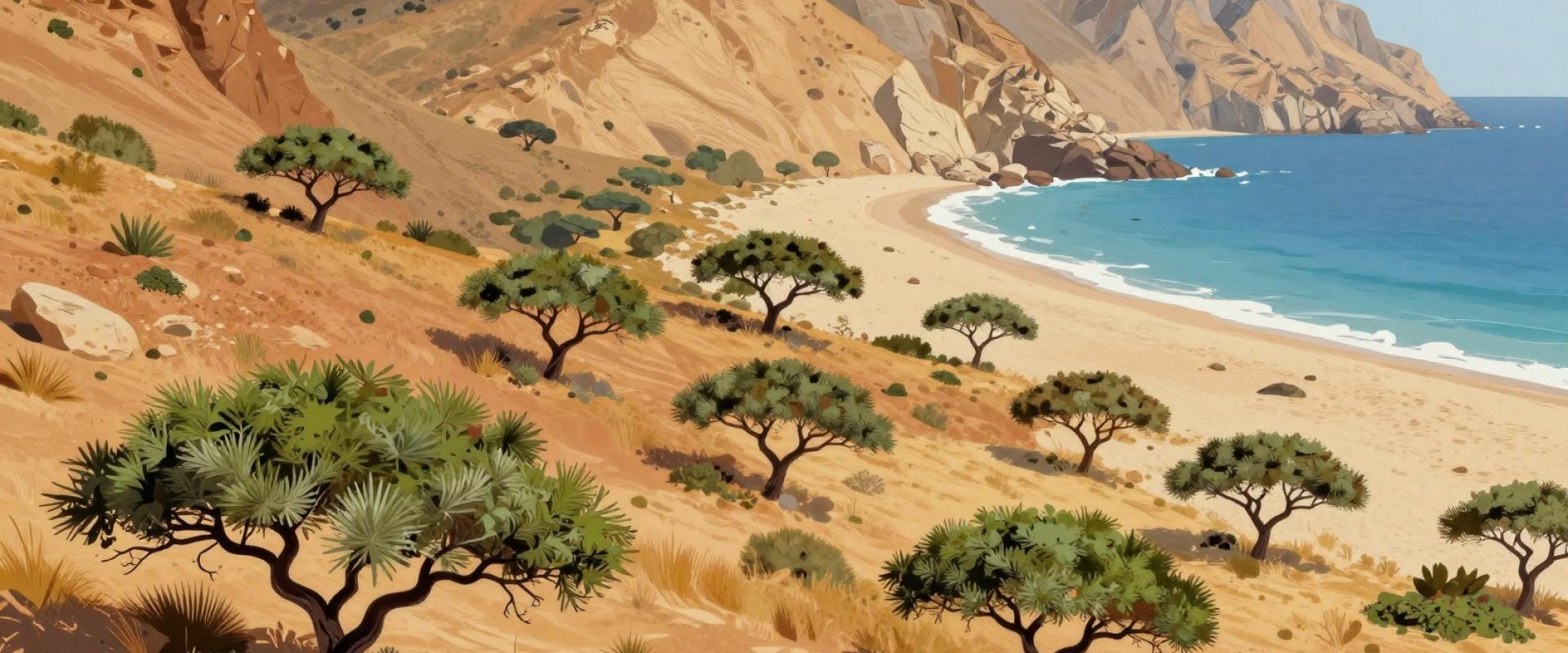
The park usually presented as Agadir's national park is the Souss-Massa National Park, which lies on the Atlantic coast south of the city, and it is one of the most important protected areas for birds and desert wildlife in Morocco. It was created in the early 1990s and covers a stretch of dunes, cliffs, scrub, farmland and river estuary between the mouths of the Souss and Massa rivers, a landscape that holds a surprising range of habitats. The coast here is low and sandy in places, with rocky headlands and a belt of argan and euphorbia scrub behind, and the climate is mild and dry, with sea fog in the mornings.
The park is known above all for its birds. It holds one of the last wild populations of the northern bald ibis, a strange-looking, crested bird that nests on sea cliffs and was once widespread across the Mediterranean world but has come close to extinction. Flamingos, spoonbills, herons and migrating waders gather in the lagoons and marshes at the mouth of the Massa, especially in winter, and the park is a favourite destination for birdwatchers from across Europe. Early morning and late afternoon give the best chances of seeing wildlife, and a local guide helps greatly with identification and with finding the birds' feeding areas.
A second focus is the reintroduction of desert antelopes. In a fenced reserve within the park, conservationists have been breeding and releasing species that once roamed the Sahara and its fringes but are now rare or extinct in the wild. Key species include the Addax, a pale antelope with spiralled horns adapted to deep desert, the scimitar-horned Oryx, also known by an older name as the algazelle, and the Dorcas Gazelle, one of the smallest gazelles and a fast, delicate animal. These animals are managed rather than free-roaming across the whole park, and visits to see them are usually arranged with guides. The programme is part of wider efforts to restore North African wildlife that has been lost from the wild.
Practical points: the park lies about an hour's drive south of Agadir, and entry arrangements and guided tours vary, so check locally and book ahead where possible. Wear neutral clothing, carry binoculars, water and sun protection, and expect rough tracks. Keep to paths, do not disturb nesting birds and keep noise low.
Visitors interested in wildlife, photography and conservation will find the park rewarding, and it provides a very different experience from the beaches and hotels of Agadir. It combines with a visit to the fishing village of Tifnit or to the argan woodland nearby. Spring and autumn are good seasons, with comfortable temperatures and bird migration in progress, and a morning spent here is one of the best ways to see Morocco’s natural side on the coast.
Categories
More photos coming soon
Nearby Attractions
Other places to visit in Agadir
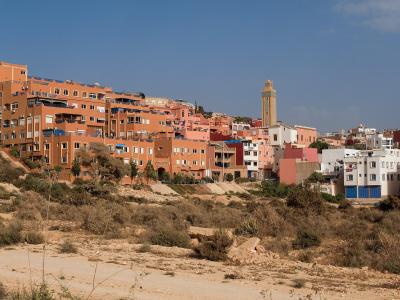
Tamraght Village
Relaxed Atlantic village with authentic culture and surf
Activities & Adventure · Coastal & Maritime
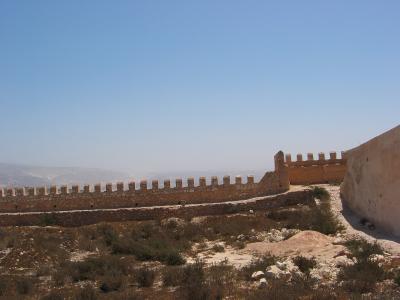
Kasbah of Agadir
16th-century fortress with panoramic city views
History & Heritage · Traditional Culture
Agadir Museum
Museum dedicated to the 1960 Agadir earthquake
Cultural Experiences · History & Heritage
Mosque of Agadir
Largest mosque in Agadir, built in 1960
Architecture · Religious Sites
Questions people ask
Quick Facts
Best Time to Visit
All year for sun: January highs average about 21 °C and August about 27 °C. Most of the little rain falls from November to March; the sea is warmest (about 23 °C) in September and October.