Beyond the Sahara Hype: The Real Heartbeat of the Alaouites
Most travelers sprint through Rissani, eyes fixed on the horizon where the Erg Chebbi dunes rise like golden waves. They chase the iconic landscape, unaware that they are skipping the true anchor of Moroccan heritage. This dusty, unassuming hub in the Ziz Valley is not merely a waystation; it is the ancestral seat of the Alaouite dynasty. Here, history is not a curated exhibit behind glass, but a living, breathing presence that grounds the community in a way the desert sands alone cannot provide.
At the center of this quiet reverence stands the Mausoleum of Moulay Ali Cherif. The air here carries a heavy, sweet scent—a unique blend of curing dates, ancient stone, and centuries of devotion. It is a sensory experience that demands presence rather than observation. Walking through the narrow alleys, you will notice a rhythm distinct from the performative energy of larger tourist traps. Locals move with an unselfconscious grace, their daily rituals unfolding without an audience in mind. There is no need to seek out "authenticity" as a commodity; it is simply the backdrop of everyday life in this valley. By slowing down and lingering in Rissani, you step into a narrative that predates modern tourism, connecting directly with the enduring spirit of a royal lineage that has shaped a nation.
Whispers of the Saints: Moulay Ali Cherif’s Sacred Ground
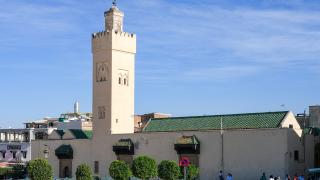
While the dunes draw the crowds, the Mausoleum of Moulay Ali Cherif holds the spiritual gravity of the region. This serene, white-washed complex marks the burial site of the saint from whom the current royal lineage descends. Set against the stark red earth of the desert, the architecture is deceptively simple, yet the weight of history is palpable. Unlike the crowded, frenetic shrines found in Fez or Marrakech, this site offers a profound sense of peace. Silence is expected here; keep your voice low and your movements respectful to honor the sanctity of the space.
Access is granted for a small donation, typically around 10 MAD, which helps maintain the grounds. Modest dress is required, serving as a tangible sign of respect for this holy site. Local guides often recount 17th-century anecdotes that explain how this location anchored the dynasty’s legitimacy, turning spiritual reverence into political power. For the best experience, visit in the early morning. The midday sun in the desert is unforgiving, and the cool morning light casts long, dramatic shadows across the courtyard, enhancing the atmosphere of contemplation.
If your travels align with spring, ask locals about the annual Moussem festival. This event offers a raw, vibrant glimpse into Moroccan folk faith, blending religious devotion with communal celebration. The road to Erfoud begins just a few kilometers away, making Rissani a logical and rewarding pit stop. Dust is inevitable in this region, so keep your camera lens clean and your expectations grounded. This is a pilgrimage site, not a photo opportunity. Honor that boundary, and your experience will be significantly richer. What is your perspective on spiritual tourism? Share your thoughts in the comments.
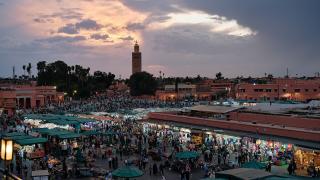
Thursday mornings in Rissani transform the town into a sprawling, centuries-old trading post. The energy is visceral, pulsing with a rhythm that dates back to the Saadian dynasty. Narrow alleyways weave between stalls, forcing you to sidestep donkeys laden with hay and merchants carefully arranging pyramids of argan oil and spices. The air hangs heavy with the sharp tang of curing leather and the warm, spicy punch of cumin and ras el hanout.
This is not a place for quiet reflection. Voices rise and fall in a rapid-fire cadence as locals barter over wool rugs, fresh dates, and household goods. It is a cacophony that demands attention. Instead of stepping back, lean into the noise. The chaos is not a bug in the system; it is the feature. A vendor might suddenly wave you over, pressing a steaming glass of mint tea into your hands. This pause offers a rare moment to observe the mechanics of exchange. Watch the hands, the nods, the quick calculations. Deals are struck with surprising speed, sealed by a handshake and a shared smile.
There are no scripted interactions or staged traditions here. It is simply life happening, unfiltered and raw. You are not watching a show; you are part of the audience, and perhaps, the cast. Join the flow. Pick up a small ceramic tagine or a woven basket. Let the movement of the crowd guide your steps. There is no better way to understand the soul of the region than by getting lost in its busiest hour. What is the strangest item you have ever stumbled upon in a market?
Why Rissani Matters: More Than Just a Stopover
You might glance at Rissani on a map and see nothing more than a waypoint between the desert and the Atlas Mountains. Yet, this town is the spiritual anchor of Morocco’s Alaouite dynasty, a lineage that has shaped the nation for centuries. Every weathered stone here whispers a story of power, faith, and resilience, far removed from the polished gloss of tourist traps. The town’s significance lies in its duality: it is both a place of solemn history and vibrant, chaotic daily life.
The air in the Thursday souk vibrates with an unscripted energy. Stalls overflow with mountains of golden dates, often priced at a mere 20 MAD per kilo. This isn’t just a transaction; it’s a daily ritual where commerce and community intertwine seamlessly. Nearby, the Moulay Ali Cherif mausoleum stands as a solemn testament to the dynasty’s origins. Its presence commands respect, offering a stark contrast to the bustling market just steps away. It is a place where history is not displayed, but lived in the open air.
Evenings here slow down considerably. Local za’arouk coffee shops provide a sanctuary from the heat, where men gather to play cards, smoke, and sip strong tea. It is a far cry from the frantic pace of Casablanca, inviting you to simply sit and watch the world go by. For the best experience, stay the night. Wandering through the streets after dark reveals a different side of Rissani. Grab a mint tea from a corner hanout and let the rhythm of the town settle into your bones. This is not a performance for visitors; it is the genuine heartbeat of the region. 🇲🇦