


Tracing the Royal Vein Through the Atlas
The Al Atlas line does more than connect cities; it stitches together the disparate threads of Morocco’s geography. Serving as the primary artery from the Rabat-Salé-Kénitra metropolitan hub to the eastern gateway of Rissani, this rail link positions Midelt as the critical hinge for crossing the High Atlas Mountains. Choosing this route over driving offers a profound liberation from the physical toll of navigating steep, serpentine mountain passes. Inside, the experience shifts from standard seating to plush, private compartments, transforming what could be an exhausting slog into a manageable, restful journey.
While the historic resonance of this rail corridor is well-established, travelers should exercise caution regarding marketing terminology. Specific branding such as the "Royal Atlas Express" lacks verified data in current official sources. Therefore, booking the standard Al Atlas service remains the most reliable and transparent choice for this scenic corridor.
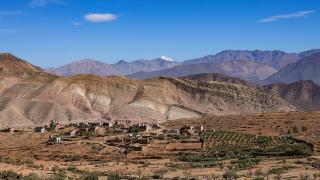
The journey unfolds as a visual and logistical symphony. Passengers transition from the expansive, green coastal plains into the rugged, arid interior, a shift in terrain that feels gradual rather than jarring. This logistical simplicity is the route’s greatest strength, eliminating the friction of multiple city transfers and streamlining your itinerary. By relying on the rail network’s reliable backbone, you trust that your Moroccan adventure proceeds with minimal disruption. However, schedules are not static; they shift with the seasons. Verifying the latest timetables upon arrival or via official channels is essential. Ultimately, this method remains the most practical, efficient, and serene way to traverse the country.
Culinary Sovereignty and Onboard Elegance
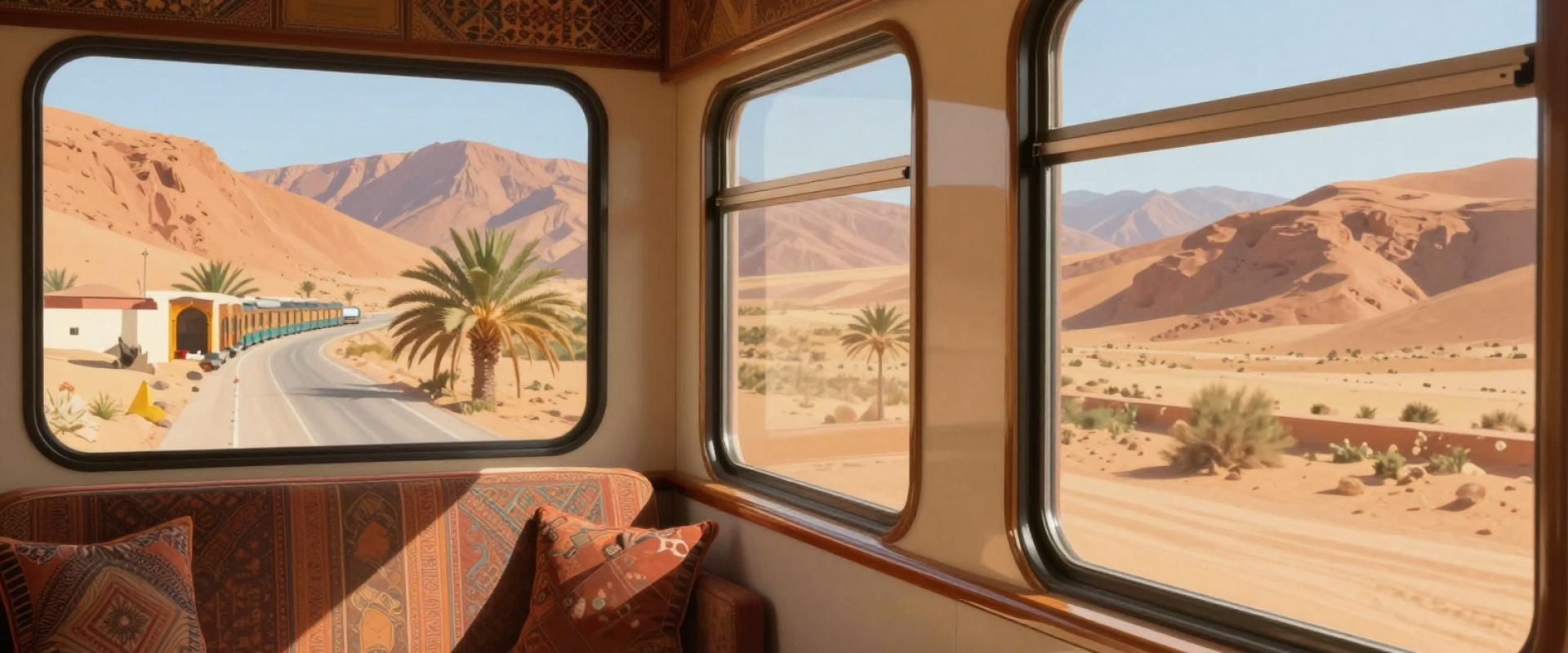
The heart of the Al Atlas experience beats within its panoramic dining car. Positioned at the front of the train, this space frames the rugged Atlas Mountains like a living, moving painting. Sunlight floods the glass walls, illuminating tables set for meals that bridge the gap between Moroccan heritage and modern comfort. Here, chefs prioritize hyper-local ingredients, turning simple staples like couscous and tagine into vibrant, authentic dishes. This focus on regional authenticity ensures that every bite reflects the specific terroir visible through the window.
Service staff move with a quiet, practiced precision. They anticipate needs before they are voiced, gliding through the car to refill water glasses or adjust cushions with subtle grace. This proactive attention to detail removes the friction of travel, allowing passengers to simply relax and observe. The result is a seamless fusion of logistical ease and genuine hospitality, where the service feels innate rather than performative.
While some luxury lines boast exhaustive wine lists, the standard offering here focuses on quality over quantity. Artisanal spirits and carefully selected local wines accompany meals, enhancing the flavors without overwhelming the palate. This restrained approach keeps the experience grounded, avoiding the pretension often found in high-end rail travel. It is refined, yet approachable.
Booking early secures the most coveted window seats, where the interplay of light and shadow on the desert terrain becomes part of the meal itself. As the train winds toward cultural hubs, the journey transforms from mere transit into a deep immersion. Every stop, every dish, and every view contributes to a narrative of exploration. This is not just a way to see Morocco; it is a way to taste it.
Curated Excursions: From Kasbahs to Ruins
Riding the Al Atlas Train offers a practical gateway to Morocco’s interior, prioritizing scenic immersion over opulent luxury. The rail network winds through dramatic landscapes, setting the stage for an authentic journey rather than a polished resort experience.
Guided tours of Aït Benhaddou reveal the intricate details of UNESCO-protected earthen architecture. Local historians accompany these visits, explaining how these fortified ksars once served as vital strategic hubs along ancient trade routes. This historical context transforms stone walls into living narratives of survival and commerce, offering a perspective that guidebooks alone cannot provide.
Between stations near Midelt, travelers can pause for traditional Berber tea ceremonies. These moments in the Atlas foothills provide a genuine cultural break, allowing guests to savor mint-infused warmth while absorbing the surrounding mountain air. It is a simple yet profound connection to the region’s daily rhythms, a chance to slow down and engage with the locals on their own terms.
Logistics are handled seamlessly by dedicated coordinators who manage every transfer between the train and excavation sites. This efficiency removes the stress of navigation, letting you focus entirely on the landscape and the weight of history beneath your feet.
Booking these guided slots is essential, and preferences must be confirmed with your agent at least forty-eight hours before departure. This advance notice ensures the schedule runs smoothly, balancing structured exploration with the freedom to appreciate the terrain. Prepare sturdy walking shoes for the uneven, dusty paths at the ksar. The combination of rail travel and on-ground discovery offers a comprehensive view of the region, defining a journey that is as educational as it is visually striking.
The Logistics of Booking and Timing
Secure your cabin three to six months in advance. This limited-capacity service fills quickly, particularly during peak seasons. Spring and autumn provide the most comfortable temperatures for navigating the Atlas Mountains, making them the ideal windows for travel. Avoid the intense heat of mid-summer, which can make outdoor excursions uncomfortable and the train carriages stuffy.
Your passport needs to remain valid for at least six months beyond your departure date. Carrying Moroccan Dirhams (MAD) is essential for small vendors and tipping guides, as cash transactions remain common in rural stops along the route. Verify entry requirements with the Moroccan embassy before finalizing your itinerary to avoid any last-minute surprises.
The train travels through diverse landscapes, connecting major hubs like Casablanca and Oujda. You will encounter varying climates, so pack layers for cool desert nights. This journey offers a unique perspective on North African geography, shifting from coastal breezes to high-altitude plateaus.
Booking early guarantees the best seating arrangements and dining options. You can purchase tickets directly through official railway channels, a method that minimizes stress and maximizes your travel time. Plan your budget to include extra funds for spontaneous local purchases, allowing for flexibility during unexpected delays or detours. Efficient planning ensures a seamless transition between cities. Check specific visa regulations for your nationality prior to departure. Reliable preparation is the key to a successful luxury rail experience.