What to expect
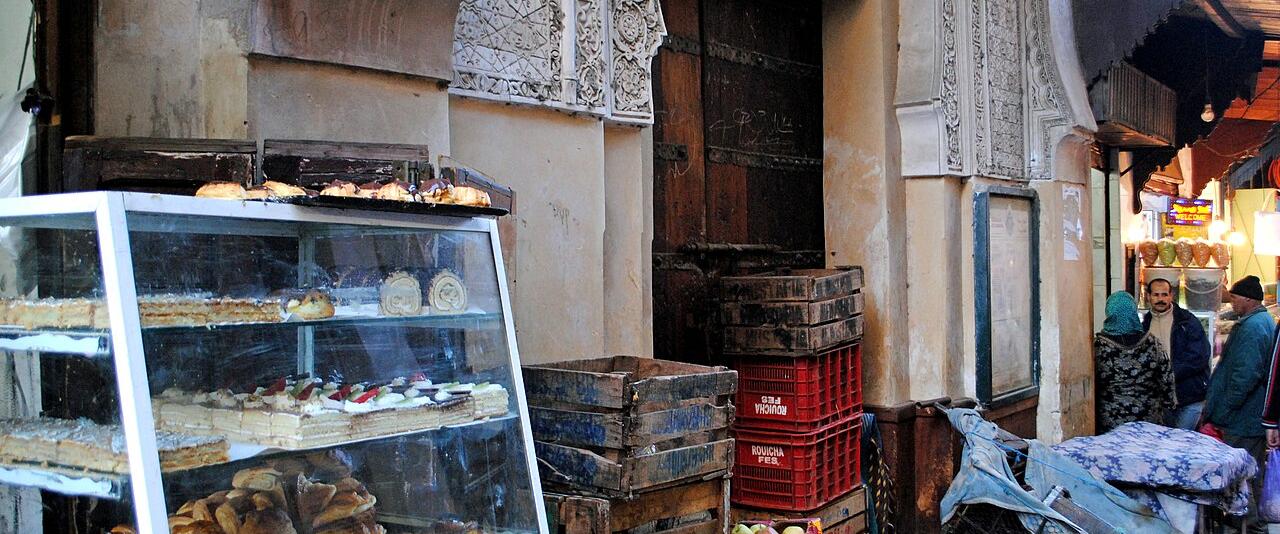
Many women travel alone in Morocco and have rewarding trips. It is worth being realistic, though. The UK Foreign Office notes that women may receive unwanted attention, especially when travelling alone. In practice this most often means comments, persistent conversation or being followed for a short distance in busy medinas and tourist areas, rather than physical danger. It tends to be heaviest in the souks of Marrakech and Fes and lighter in smaller towns, the mountains and modern city districts.
Morocco introduced a law on violence against women (Law 103-13) that came into force in 2018 and criminalises sexual harassment in public spaces. Enforcement varies, but harassment is an offence you can report.
Dress for comfort and fewer comments
There is no legal dress code for visitors, but loose clothing that covers the shoulders, chest and knees draws less attention, and the UK government recommends loose clothing covering the arms, legs and chest. A light scarf is useful for sun, dust and visiting religious sites. In beach resorts and modern districts of Casablanca, Rabat and Marrakech, dress is more relaxed, but modest clothing is still expected in medinas, villages and especially during Ramadan.
Handling unwanted attention
- Keep moving: a calm, brief "no, thank you" without stopping usually ends an approach. Long explanations invite more conversation.
- Look purposeful: check maps before setting off rather than stopping in the middle of a crowded lane.
- Use landmarks and shops: if someone keeps following you, step into a shop, cafe or hotel lobby and wait, or ask a shopkeeper or a woman nearby for help.
- Be cautious with "helpers": the Foreign Office notes that people posing as official guides commonly approach tourists. Licensed guides carry an official badge; book one through your accommodation if you want a guide.
- Sunglasses and headphones: some women find these reduce eye contact and approaches, although it is sensible to stay aware of your surroundings.
Choosing accommodation
- Pick riads or hotels with consistently good recent reviews from solo women, and a 24-hour reception or staff on site.
- For medina riads, ask the host to meet you at the nearest gate on arrival, particularly after dark.
- Save the address and phone number, and photograph the door and the nearest landmark.
- Small riads often build a sense of community; hosts can advise on which areas to avoid at night and arrange trusted drivers.
Getting around safely
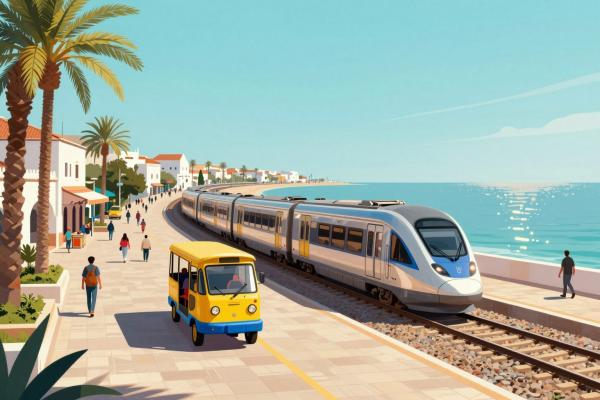
- Trains: ONCF trains, including the Al Boraq high-speed service between Tangier and Casablanca, are comfortable and busy. First class guarantees a seat and is often calmer.
- Coaches: CTM and Supratours coaches have assigned seats and staffed stations; a seat near the front or next to another woman is easy to request.
- Taxis: use licensed petit and grand taxis, agree the fare or insist on the meter, and be aware that drivers often pick up other passengers. The Foreign Office warns that app-booked cars may be unregulated and unlicensed, and advises leaving a taxi in a safe, well-lit place if you feel uncomfortable.
- At night: stick to busy, well-lit streets. The Foreign Office advises avoiding quiet areas after dark and not carrying large amounts of cash or valuables.
- Tours: joining small-group tours or a reputable local guide for the mountains and desert is a simple way to travel with company.
Other practical points
- Phone and data: buy a local SIM or eSIM so you can use maps, call your accommodation and request help.
- Money: use ATMs inside banks or malls rather than on the street, and keep a small amount of cash separate from your main card.
- Alcohol: alcohol is available in licensed bars, hotels and some restaurants, but drinking in public is not acceptable.
- Photography: always ask before photographing people.
- Insurance: take travel insurance that covers medical evacuation and any trekking you plan.
Emergencies
The UK government lists these emergency numbers for Morocco: police 190, ambulance and fire 150, and the Gendarmerie Royale, which polices rural areas, 177. The shorter numbers 19 and 15 are also widely used for police and ambulance. Many cities also have a tourist police unit; ask your accommodation where the nearest station is.
Register your trip with your own government's travel service if it offers one, share your itinerary with someone at home, and keep a copy of your passport separate from the original. Most solo trips in Morocco pass without serious problems; preparation simply makes the everyday attention easier to manage.