
The Great Divide: Erg Chebbi vs. Erg Chigaga
Choosing between Merzouga and Zagora is less about geography and more about your tolerance for the journey itself. It is a calculation of time spent behind the wheel versus time spent immersed in the silence of the Sahara.
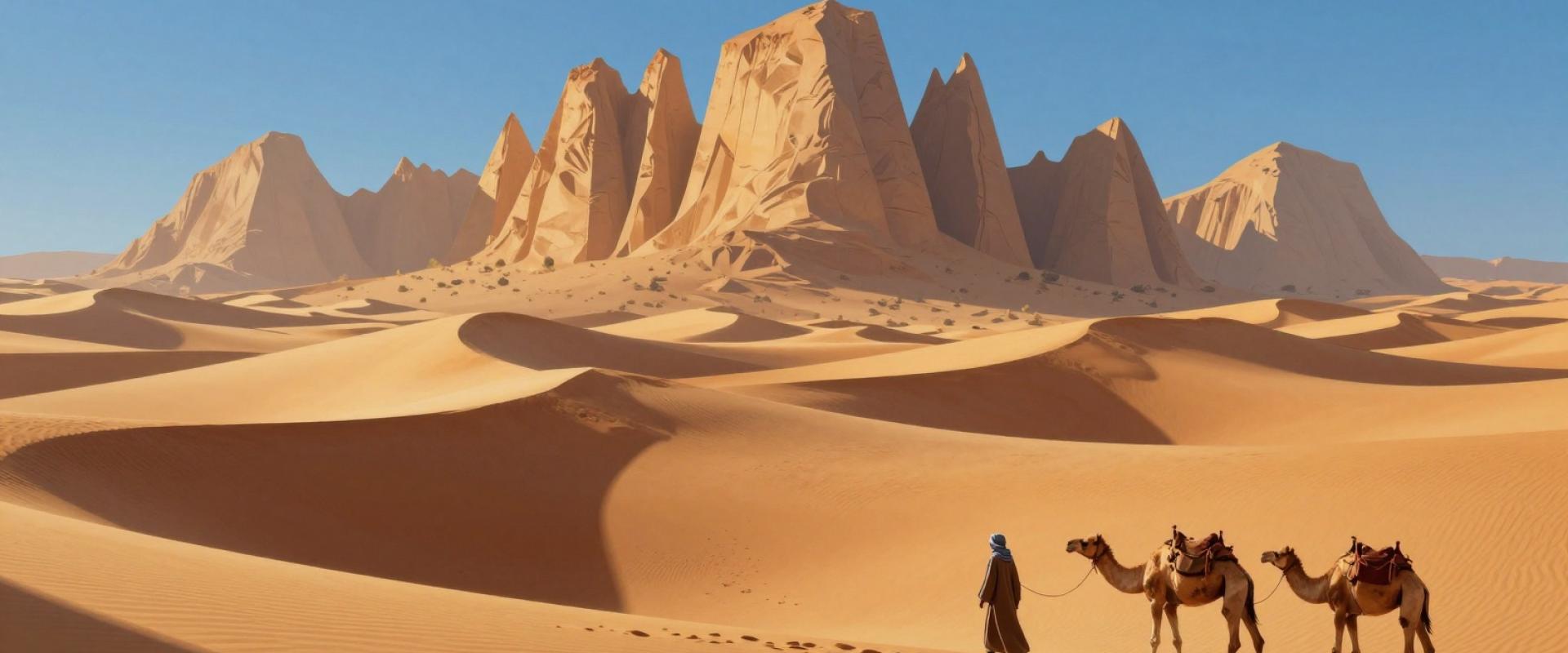
Merzouga’s Erg Chebbi offers a spectacle that feels almost cinematic. Here, dunes rise like frozen waves, climbing to heights of 150 meters. The light here plays differently on the sand, creating high-contrast shadows that are a photographer’s dream. But this grandeur comes with a price: distance. Reaching this remote corner of Morocco from Marrakech requires patience. You are looking at a grueling six-to-seven-hour drive, often necessitating an overnight stop in the Dades Valley to break up the transit. Yet, for those willing to endure the road, the reward is an authentic, less commercialized encounter with the desert’s raw scale.
Conversely, Zagora serves as the practical, pragmatic gateway to Erg Chigaga. Located roughly six hours from Marrakech, it appeals to travelers who prioritize efficiency over epic isolation. The dunes here, while still magnificent, are less imposing than their eastern counterparts. You trade the sheer vertical drama of Chebbi for a quicker, more accessible escape. It is a budget-friendly option that delivers the iconic Sahara atmosphere without the exhaustion of a multi-day transit.
Decide what defines your ideal adventure. Do you crave the high drama of massive, photogenic peaks and don’t mind the travel? Or do you prioritize a shorter trip to get straight into the dunes? Your answer will shape your entire Sahara story.
Booking the Bedouin Life: Tents, Tours, and True Nights
The towering Erg Chebbi dunes create a dramatic backdrop, but their scale requires careful logistical planning. The desert does not wait for last-minute decisions, and the difference between a good night’s sleep and a frustrating one often lies in the details of your booking.
Private tours offer the freedom to set your own pace, allowing you to linger at sunset or wake up at dawn without coordinating with a group. Group options, however, significantly lower costs for budget-conscious travelers, though they require sacrificing some flexibility. Accommodation spans a wide spectrum, ranging from simple sleeping mats under the open sky to fully equipped luxury tented camps with en-suite bathrooms and gourmet meals.
Before finalizing your reservation, verify exactly what is included. Does the price cover camel treks? Are sandboarding sessions included, or are they extra? For high-demand periods, such as spring and autumn, securing bookings well in advance ensures access to the best camps. Finally, choose operators who demonstrate genuine respect for local Berber customs. A tour is not just about the landscape; it is about the people who call it home.
Survival Kit: Packing for Sand, Sun, and Shivering Nights
The Erg Chebbi dunes tower up to 150 meters, a stark reminder that desert conditions demand serious preparation. You aren’t just visiting a beach; you are entering a landscape that shifts beneath your feet and challenges your resilience.
Temperature swings are brutal. The desert day can scorch, but nightfall brings a chilling drop. Layering is non-negotiable. Pack a thermal base layer for the freezing nights, which can plummet after sunset. Add a fleece or lightweight down jacket for warmth. Conversely, the daytime sun is relentless. Bring high-SPF sunscreen, polarized sunglasses, and a wide-brimmed hat to shield your skin and eyes from the glare bouncing off the sand.
Wind carries fine grains that find their way into everything. A versatile scarf or shemagh becomes your best companion. Wrap it around your head and neck to keep sand out of your hair and clothes. Pull it up over your nose and mouth during sandstorms or windy drives. This simple item doubles as protection and comfort.
Footwear needs to balance stability with ease. Closed-toe sneakers or lightweight hiking shoes protect your feet from hot sand and sharp rocks. Avoid sandals during dune walks; sand will quickly fill them and cause blisters. If you prefer barefoot walking on the dunes, bring sandals for after your excursion, not during.
Hydration is critical, especially during the long transfer. The drive from Marrakech to Merzouga takes about six to seven hours. Pack more water than you think you need, plus electrolyte packets to replace salts lost through sweat. Dehydration hits fast in dry heat, so sip consistently rather than waiting until you are thirsty.
Protect your gear from the omnipresent dust. Use zip-lock bags or dry sacks for phones, cameras, and power banks. Sand ruins electronics quickly. A high-capacity power bank ensures your devices stay charged for navigation and photos, especially when solar charging isn’t an option.
Finally, pack light but strategically. Your camel or 4x4 has limits. Choose versatile clothing that dries quickly and resists wrinkles. Leave bulky souvenirs at home. Smart packing means bringing only what serves a specific purpose in this harsh, beautiful environment.
Beyond the shifting sands, the landscape offers layers of discovery that extend far beyond the dunes themselves. Merzouga’s Erg Chebbi presents towering peaks of sand, ideal for thrilling quad rides or sliding down steep faces on a board. But the true magic lies in the detours.
Just a short journey away, the ancient mud-brick fortifications of Aït Benhaddou stand as a testament to centuries of trade. These UNESCO-protected walls tell stories of caravans past, their labyrinthine alleys whispering tales of merchants and mystics. In Rissani, the energy shifts to the vibrant chaos of the souk. Here, the air smells of cumin and leather, and locals haggle over textiles and silverware with practiced ease.
These detours transform a simple desert crossing into a rich cultural immersion. Whether you start from Merzouga or Zagora, adding these stops requires a bit of extra time but rewards you with authentic encounters. Bring sturdy boots for the rocky paths and a wide-brimmed hat for the relentless sun. Your adventure becomes deeper when you step off the main track and into the rhythm of daily life in these hidden oases.