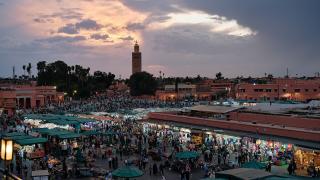



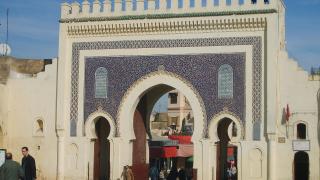


Sustainable travel in Morocco is not a passive ideal; it is an active negotiation of space, economy, and respect. To truly support the communities that host you, you must look beyond the glossy brochures of international chains. Instead, seek out the soul of the medina: the family-run guesthouses and eco-certified riads where your spending stays within the neighborhood. In popular hubs like Chefchaouen, greenwashing is rampant. "Eco-friendly" stickers often mask standard practices, so you must become a detective. Ask specific questions before you book: Do they source their olive oil and vegetables from nearby farms? Do they employ local youth? If the answers are vague, keep looking.
This scrutiny is not just pedantry; it is strategic. Securing your lodging weeks or months in advance is a defensive maneuver against the chaos of last-minute scrambles. When you are rushed, you are more likely to compromise on your values, settling for accommodations that inadvertently exploit local labor or resources. Early planning allows you to verify ethical standards with calm precision. By aligning your accommodation with these principles, you transform a simple night’s sleep into a meaningful economic exchange that respects the people and places you visit.
The Cooperative Trail: Artisanal Integrity
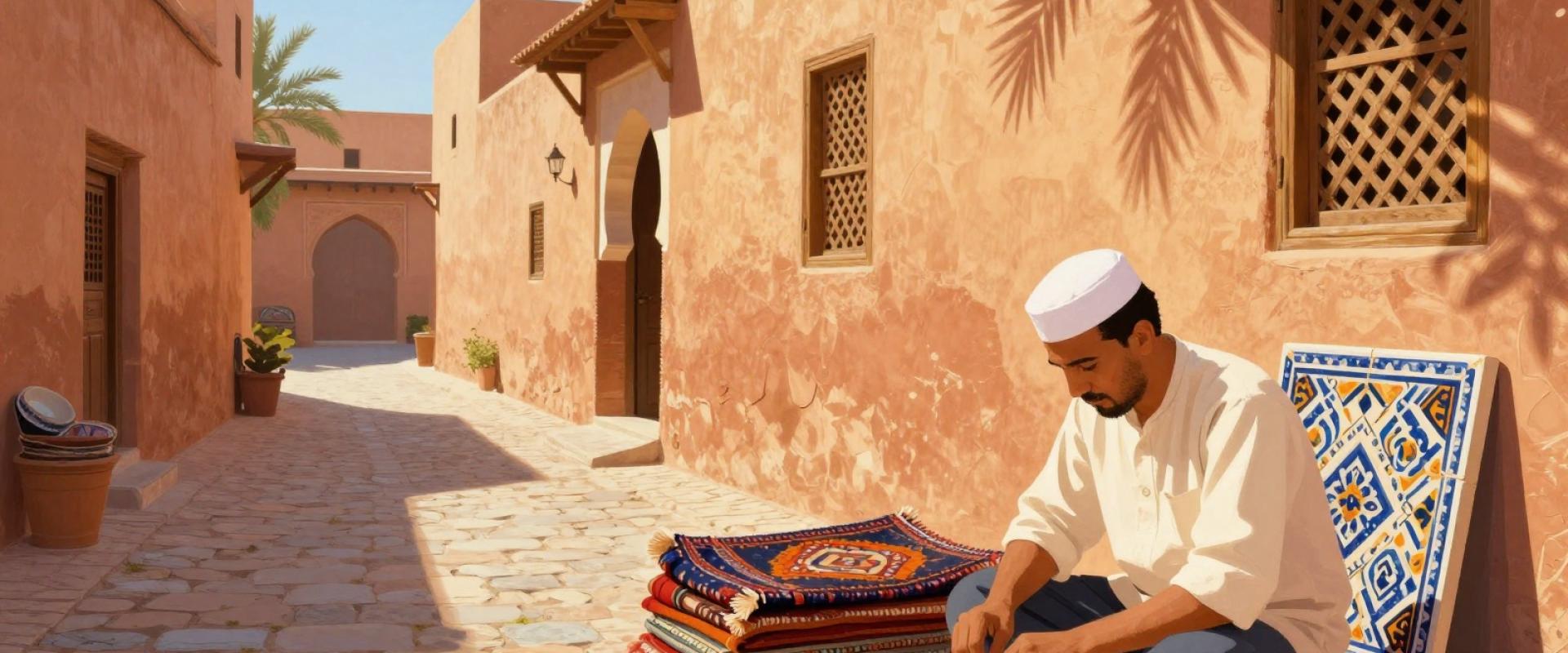
Your shopping bag is a ballot for the kind of Morocco you want to support. Resist the urge to fill your luggage with mass-produced trinkets imported from overseas. Instead, seek out the women’s cooperatives that have become lifelines for rural economies. These spaces, particularly those producing authentic argan oil and handwoven textiles, ensure fair wages and production transparency. This direct support keeps exploitation at bay and empowers women who are the backbone of these communities. However, vigilance is required. Not every shop claiming to be "cooperative" is ethical. Verify their standards to ensure your spending power drives positive change rather than reinforcing harmful practices.
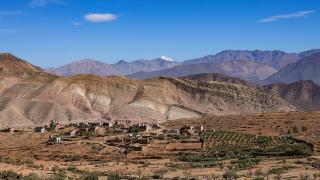
Focus your attention on specific regional specialties to protect heritage. While Midelt is famous for its wool, the true heart of intricate rug weaving beats in the Atlas villages near Azilal and Beni Mellal. Buying these authentic goods allows you to preserve traditional techniques that are disappearing under the weight of fast fashion. This approach shifts the narrative from consumption to preservation. When you engage directly with artisans, you foster a genuine cultural exchange. You are not just buying a rug; you are funding a legacy. Choose quality over quantity, and prioritize authenticity to strengthen the social fabric of the region.
Desert Discipline and Heritage Preservation
The Sahara is not a playground; it is a fragile, living ecosystem that demands a respectful stillness. Navigating its shifting sands requires more than a map; it requires discipline. Staying strictly on marked trails is non-negotiable. Off-trail driving causes irreversible soil erosion, destroying the intricate dune structures that define this starkly beautiful landscape. In an environment where water is scarcer than gold, minimizing usage becomes a critical act of respect. Carry reusable containers and eliminate single-use plastics entirely. Every bottle left behind is a burden on the local waste management systems that barely exist.
Local guides offer more than just navigation; they are guardians of sensitive ecological zones. Hiring them ensures you access these areas responsibly, without disturbing the wildlife that calls the desert home. Their deep understanding of the terrain allows for exploration that honors sacred sites and maintains their serenity. Maintaining silence and a low impact in these spaces is a tribute to the communities who have lived in harmony with this land for generations. By choosing operators committed to these practices, you ensure your presence strengthens local economies rather than exploiting them. This mindful approach aligns with global sustainability goals while honoring deeply rooted Moroccan traditions.
Community Immersion and Cultural Exchange
Authentic engagement begins with where your money goes. By hiring local residents from the Atlas Mountains as guides, you gain historical context that no textbook can provide. Their stories are lived, not learned. Instead of booking international hotel chains, choose rural homestays. This ensures household incomes stay within the community rather than leaking out to foreign corporations. It is a direct transfer of wealth that supports education, healthcare, and infrastructure in remote areas.
Language bridges gaps. Learning basic Darija phrases does more than facilitate transactions; it demonstrates respect. A simple "Shukran" (thank you) or "Sbah el-khair" (good morning) opens doors to genuine connections that polite English never could. Always ask permission before photographing people. This simple act of courtesy ensures ethical interaction and protects individual dignity. Verify operator credentials to guarantee fair labor practices. When you prioritize community-led experiences, you actively contribute to preserving traditional lifestyles. These choices align with global sustainability standards while shaping the future of Moroccan tourism. Your direct economic support becomes a tool for cultural preservation, fostering meaningful exchange rather than mere observation.
Your Responsible Travel Checklist
Building a truly ethical itinerary for Morocco starts with digging past the marketing fluff. Instead of accepting "eco-friendly" labels at face value, look for concrete proof. Verify that your accommodation actually minimizes waste and supports local employment, rather than just slapping a green sticker on a standard hotel. For shopping, seek out verified fair-trade cooperatives. In Agadir, for example, you can find argan oil producers who ensure artisans receive fair wages directly. This direct connection not only preserves traditional craftsmanship but also guarantees that your money stays within the community.
Practical preparations also make a significant difference. Pack reusable water bottles and sturdy shopping bags to cut down on plastic waste, especially in remote desert areas where waste management is limited. These small habits help preserve the pristine landscapes that draw travelers in the first place. Finally, review your contracts with local guides carefully. Ensure there are explicit clauses regarding ecological respect and cultural sensitivity. By prioritizing these details, you minimize your carbon footprint while maximizing authentic, respectful engagement with Morocco’s diverse heritage. Your choices reflect your values as a traveler and shape the industry’s direction. Choose wisely to ensure lasting positive impact, and travel with purpose and respect for local crafts.