


Why Fes is a good place to learn
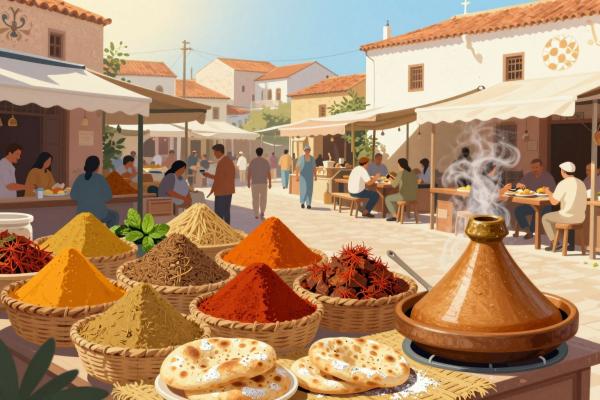
Fes el-Bali, the old medina of Fes, is one of the largest car-free urban areas in the world and has been a UNESCO World Heritage Site since 1981. Food runs through daily life here: bread taken to communal ovens, stalls selling preserved lemons and olives, and spice sellers measuring out cumin and ras el hanout. Fes also has a long reputation for refined cooking, with dishes such as pastilla associated with its kitchens.
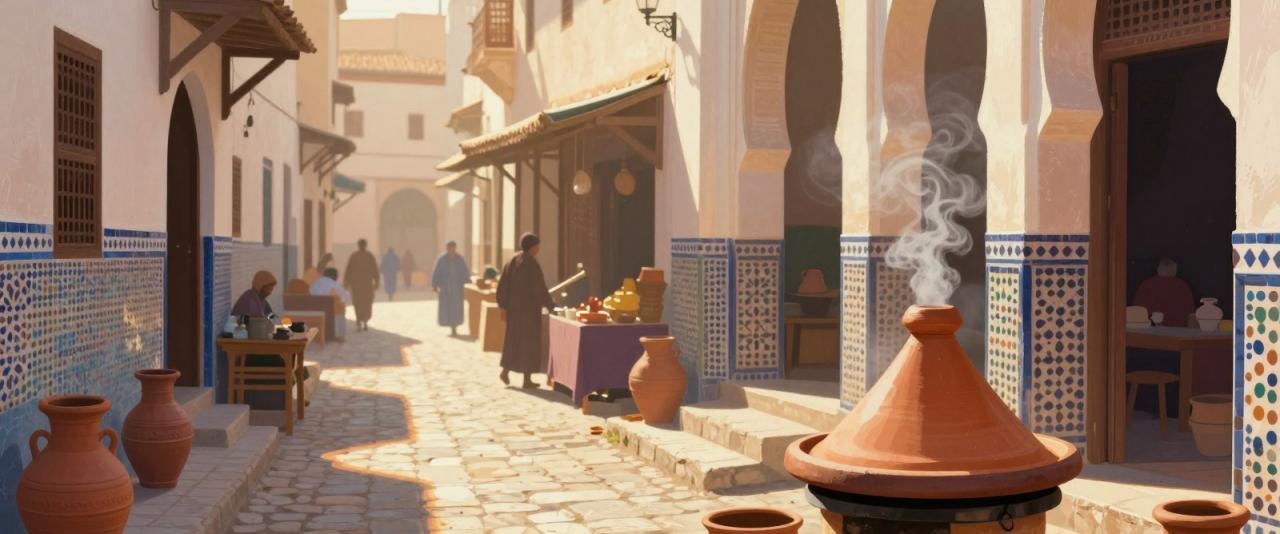
A cooking class turns that background into something practical. Most classes centre on a tagine, both the conical clay pot and the slow-cooked stew made in it, and many add a market visit, salads and mint tea.
How classes usually work
Formats vary, but a typical half-day class follows a similar pattern:
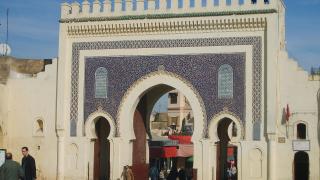
- Meeting point. Medina lanes are hard to navigate, so many hosts meet you at a gate such as Bab Bou Jeloud or send someone to collect you from your accommodation.
- Market walk. A short tour of food stalls to buy vegetables, herbs, meat and spices, with explanations of ingredients like smen (aged butter), preserved lemons and saffron.
- Cooking. Usually in a home kitchen, riad or dedicated cooking space, preparing a tagine plus two or three cooked salads, sometimes bread or a dessert.
- Eating. You sit down to the meal you made, often with mint tea.
Expect around three to five hours in total. Some classes are private, others in small groups.
Choosing a class
Many riads, guesthouses and independent cooks in Fes offer classes, and the offer changes often. Rather than relying on old recommendations, check recent reviews and ask:
- Who teaches? Classes led by an experienced home or professional cook, with a translator if needed, tend to be the most rewarding.
- Is there a market visit? It adds context, but if you are short on time a kitchen-only class is fine.
- How hands-on is it? Ask whether each participant cooks or whether you watch a demonstration.
- Group size. Smaller groups mean more time at the stove.
- Dietary needs. Ask in advance about vegetarian, gluten-free or allergy-friendly menus; most hosts can adapt if they know beforehand.
- What is included? Check whether ingredients, the meal, drinks and recipes are covered, and how pickup works.
Book directly with the host or through your accommodation, and confirm the meeting point in writing.
What you might cook
Common tagine choices in classes include:
- Chicken with preserved lemon and olives, a classic that teaches the balance of salt, sourness and saffron.
- Beef or lamb with prunes and almonds, a sweet and savoury combination served at celebrations.
- Kefta tagine, spiced meatballs cooked in tomato sauce, often finished with eggs.
- Vegetable tagine with seasonal produce, an easy option for vegetarians.
Side dishes often include zaalouk (smoky aubergine and tomato), taktouka (peppers and tomato) and carrot salad with cumin.
Techniques to take home
- Layering. Onions and oil go in first, then meat, then vegetables arranged in a cone so they steam under the lid.
- Low heat. Tagines are cooked gently for a long time; a clay tagine should never go over a fierce flame.
- The spice base. Ginger, turmeric, cumin, paprika, black pepper and saffron appear again and again, with ras el hanout used in some dishes.
- Little water. Ingredients release their own liquid, and the cone shape returns steam to the pot.
If you buy a tagine to take home, know that decorated ones are often meant for serving only. For cooking, choose a plain glazed or unglazed cooking tagine, season it before first use, and use a heat diffuser on gas or electric hobs.
Before you book
- Spring and autumn are the most comfortable seasons in Fes; summer kitchens can be very hot.
- Classes often run in the morning so you eat what you cook at lunchtime.
- Let the host know about allergies, particularly to nuts, which are common in Moroccan cooking.
- Ask whether you will receive written recipes.
A good class leaves you with a handful of dishes you can reproduce at home and a better understanding of what is on the plate for the rest of your trip.