







Al Hoceima
Rif mountain port with Mediterranean coves and a coastal national park
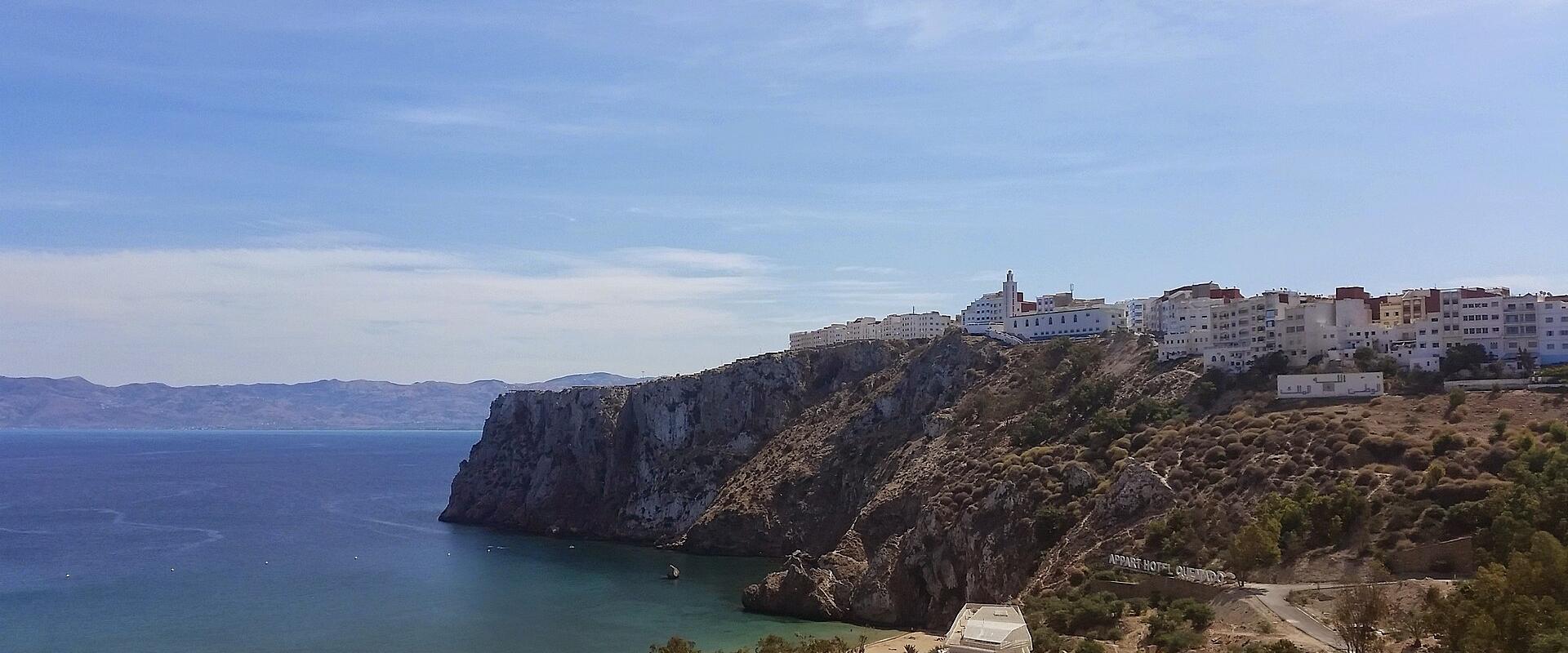
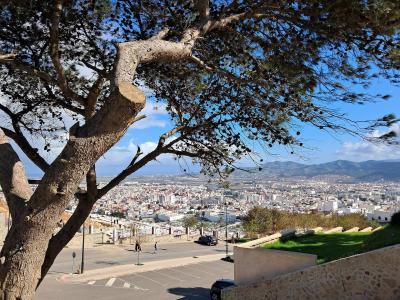
Al Hoceima lies on the northern edge of the Rif Mountains, on a bay of the Mediterranean in the central Rif, with the city of Nador farther along the coast to the east. The city has about fifty thousand inhabitants, and its centre stands on a cliff-top terrace above the sea, with the harbour and the main beaches below. Behind it the Rif rises steeply, so the landscape is a combination of white buildings, dark rock and deep blue water.
Spanish officers laid out the modern city after the Rif War of the 1920s, which ended in 1926 when French and Spanish forces defeated the army of Abd el-Krim. They named the new town Villa Sanjurjo, after the general who directed the landings at the bay of Al Hoceima, and it remained part of the Spanish protectorate until Morocco's independence in 1956. The regular street plan and the central squares recall that period. Abd el-Krim had founded a Republic of the Rif in the early 1920s from the village of Ajdir, a few kilometres from the city, and the region still remembers him as a hero of anti-colonial resistance. The Rif people speak Tarifit, a Berber language, in addition to Arabic and often Spanish.
In February 2004 an earthquake struck the area and killed several hundred people, and much of the housing in the surrounding villages was destroyed. The reconstruction of the city and its infrastructure followed, and many of the roads, promenades and public buildings you see today are recent.
The coast is the reason most people come. Right below the city, Quemado beach lies in the bay and is the most accessible, with a long stretch of sand and a promenade of cafes. Calabonita, a small cove reached by a stairway, is smaller and prettier, and further coves along the shore offer quieter swimming. In July and August the beaches are packed with Moroccan families and members of the diaspora returning for the summer, and prices and traffic rise; in June and September the sea is warm and the crowds thin. Seen from the promenade, the Penon de Alhucemas, a small island with a Spanish garrison since the sixteenth century, sits just off the coast.
The harbour is the place to eat. Fishermen land sardines, anchovies, and a variety of other fish, and simple restaurants grill the catch on charcoal and serve it with salad and bread. The local fish tajine and shellfish stews are also worth ordering, and mint tea closes the meal. Many hotels and guesthouses are located along the cliffs and on the road to the beaches, with views over the bay.
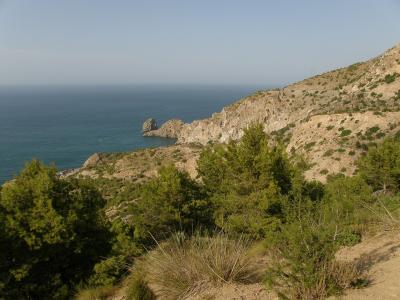
Al Hoceima National Park is the main natural attraction. Created in 2004, it covers about 480 square kilometres, of which around 284 are land, in the Ibaqouyen section of the Rif, and some 196 are sea. The park runs along about fifty kilometres of coast, from the cliffs west of the city, and its southern edge follows the main road. The shore consists of high limestone cliffs with sea caves and small pebble coves, and the interior has maquis scrub and patches of woodland on steep slopes. The marine zone is rich in fish, and snorkelling is a popular activity in summer.
Birdlife is a highlight, with seabirds nesting on the cliffs and the osprey, a fish-eating raptor, being one of the park's best-known species. Visitors can expect to see gulls, cormorants and raptors, and with luck an osprey fishing offshore. The park is also home to rare plants and mammals, though these are harder to find.
Trips into the park can be arranged by local guides, boat operators or on your own. Boat excursions along the coast visit cliffs, caves and beaches inaccessible by road. Walking trails link villages and viewpoints, and the heat means early starts in summer. A day trip from Al Hoceima combines a morning on the water with a swim and a meal at a village on the shore. Facilities inside the park are limited, so bring water, sun protection and cash. Because the park is relatively new and lightly developed, services and signage vary, and it pays to check conditions with local guides.
The best time to visit is late spring and early autumn, from May to June and September to October, when the sea is warm and the weather is pleasant for walking. Summer is very hot and crowded, and winter can be wet and windy, with some businesses closed.
Al Hoceima has an airport, Cherif Al Idrissi, with limited flights, and is linked by road to Nador and Tetouan on the coast and to Fes inland. The coastal route through the Rif is scenic but winding, so allow more time than the distance suggests.
Best time to visit
May to June and September to October for warm sea and open trails; July and August are hot and crowded with returning Moroccans.
What to see in Al Hoceima
Our picks first.
Al Hoceima by interest
The same sights, grouped by what you came for.
Planning a visit to Al Hoceima
Good to know
- Currency
- MAD
- Language
- Arabic
Quick Facts
Book your stay
Questions people ask
More places in Tangier-Tetouan
Tangier-Tetouan
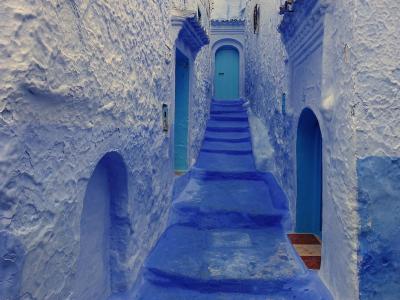
Chefchaouen
Blue-washed mountain town in the Rif, founded in 1471
Tangier-Tetouan
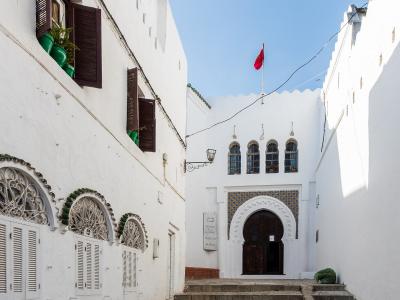
Tangier
Port city on the Strait of Gibraltar, an hour by ferry from Spain
Tangier-Tetouan
Asilah
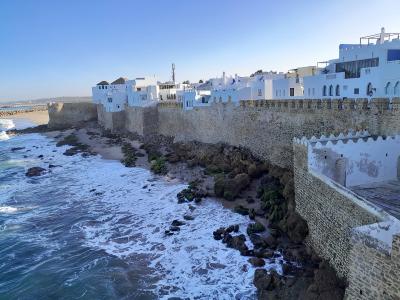
Artistic coastal town with white medina and Atlantic sunset views
Tangier-Tetouan
Tetouan
UNESCO-listed Andalusian medina in the Rif Mountains near Mediterranean