
Azemmour Medina
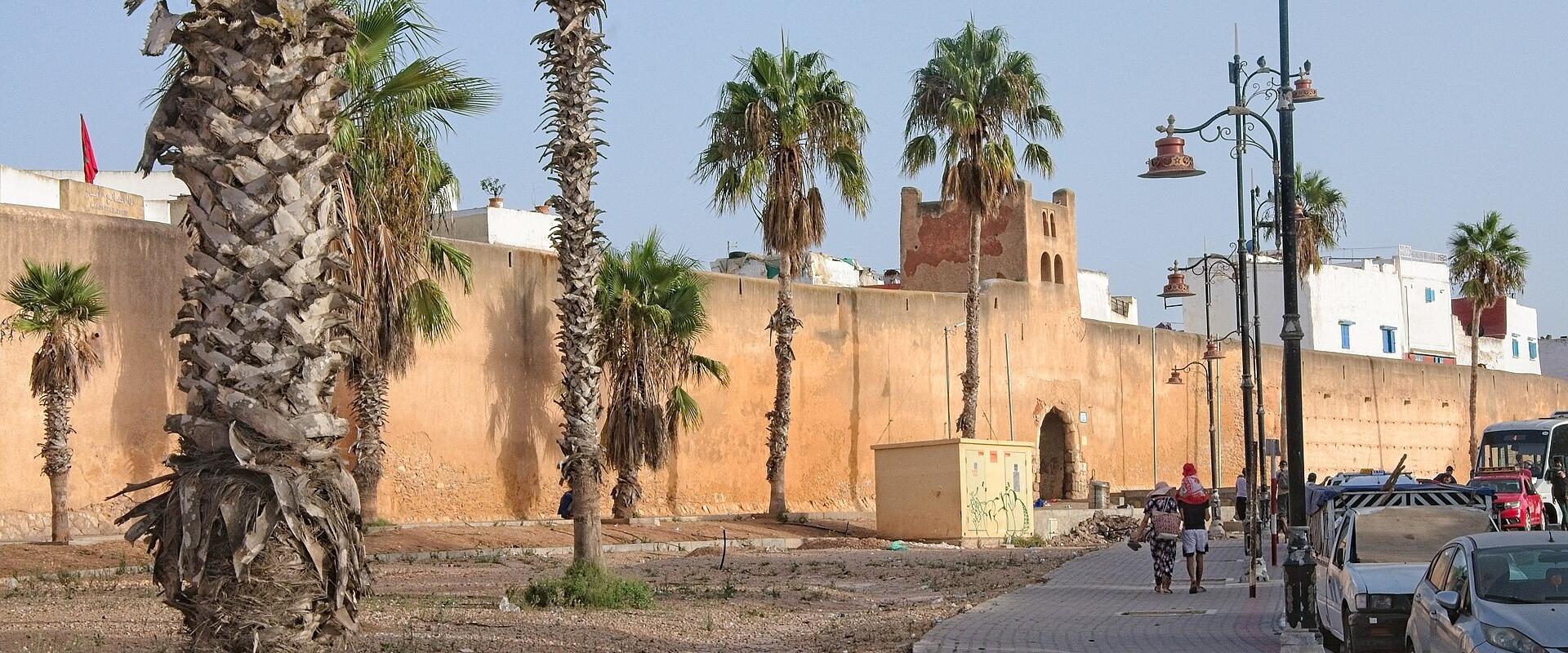
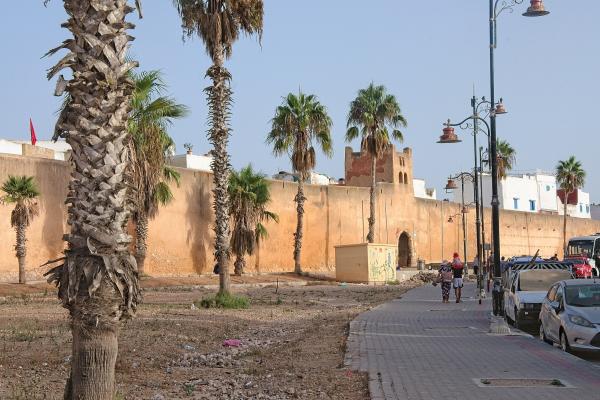
16th-century Portuguese ramparts and street art
- Where
- Azemmour, Casablanca-Settat
- Directions
- Directions
Azemmour is a small, quiet town on the left bank of the Oum Er-Rbia River, near where the river meets the Atlantic, and its Medina is one of the most pleasant and least visited old towns on the coast. It lies about fifteen kilometres from El Jadida and a short drive from Casablanca, which makes it an easy half-day trip, though few visitors come. The town's position at the river mouth explains its history: it was a port and a crossing point for centuries, and the river, famous for its shad, supported fishing and trade. In the early sixteenth century, that strategic location attracted the Portuguese, who took the town in 1513 and held it until 1541, leaving behind fortifications that are the town's most prominent feature.
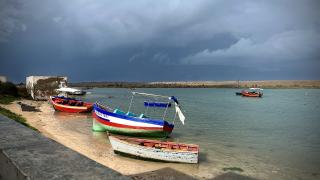
The Portuguese ramparts run along the edge of the medina above the river, with bastions and gun positions pointing out toward the water, and they are well preserved in many places. A walk along the base of the walls or along the river bank gives a good view of the stonework, the cannon embrasures and the spots where the walls meet the old gates. From the river side, the view of the whitewashed houses rising above the walls is photogenic, particularly in the evening. The Kasbah within the walls, called by some Dar el Baroud, is a ruined enclosure with a few surviving buildings, and a landing place nearby has the feel of a small harbour.
Azemmour has another claim to fame. An early explorer named Estevanico, an enslaved Moroccan who became one of the first non-Native people to travel through the American Southwest in the 1530s, is said to have been born here, a story that connects the small town with the wider history of the Atlantic world. The town's mixed past is also reflected in the Mellah, the old Jewish quarter, which has its own lanes and traditional houses and recalls the community that lived here for centuries before it emigrated.
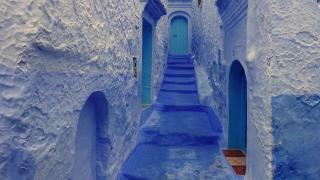
Inside the medina, the streets are narrow and whitewashed, with blue doors and decorated arches. In recent years, artists have painted murals on some walls, giving the town a creative air, and small galleries and museums have opened, a quiet counterpart to the larger art festival at Asilah. The pace is slow, and locals are friendly and curious. Cafés and small restaurants serve fish and tea, and shad is a seasonal speciality, grilled or in tagine.
Visitors should dress modestly, ask before photographing residents and take care on uneven cobbles. The medina is free to enter, though galleries and museums may have their own hours, and a visit takes a couple of hours. Combined with El Jadida and its Portuguese city, Azemmour gives a rich picture of the Atlantic coast's Portuguese heritage. It suits travellers who prefer quiet places and who like to see Morocco’s history without crowds.
More photos coming soon
Nearby Attractions
Closest attractions by distance
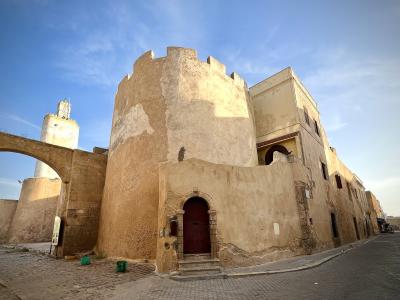
Cité Portugaise
UNESCO-listed 16th-century Portuguese fort in El Jadida
History & Heritage · Urban Exploration
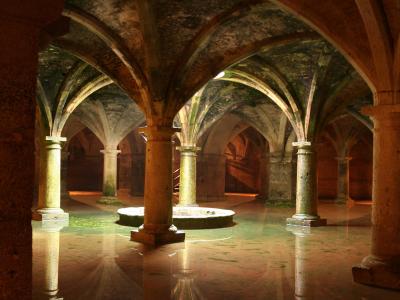
Portuguese Cistern
16th-century Portuguese vaulted water reservoir
History & Heritage · Urban Exploration
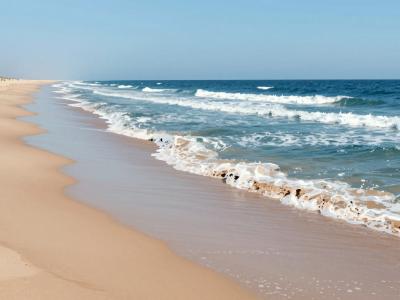
Sidi Bouzid Beach
Coastal beach near El Jadida, Morocco
Free Coastal & Maritime
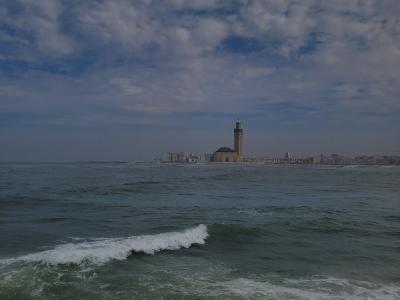
Hassan II Mosque
210m minaret mosque on Atlantic promontory
Architecture · Religious Sites
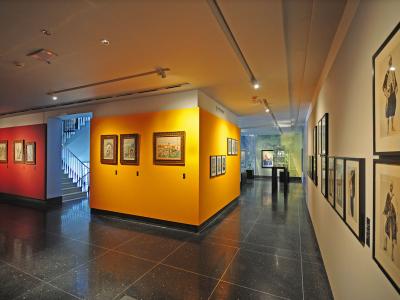
Abderrahman Slaoui Museum
Art Deco villa housing a large group of Orientalist posters
Architecture · Museums
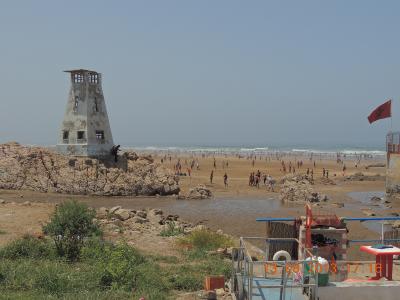
Aïn Diab Beach
Urban beachfront park on the Atlantic coast of Casablanca
Coastal & Maritime · Beaches
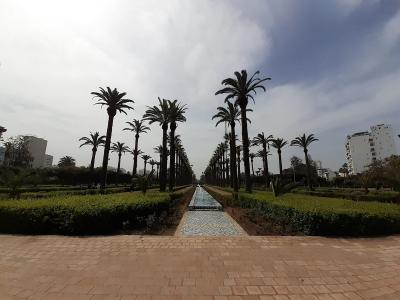
Arab League Park
1913 French-designed park in central Casablanca
Free Architecture · Gardens
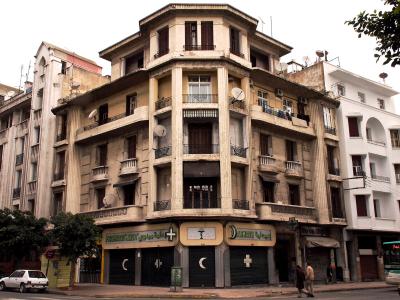
Art Deco Architecture Tour
Art Deco heritage in Morocco's largest city
Architecture · Guided Tours
Questions people ask
Quick Facts
Best Time to Visit
Visit in spring or autumn for mild temperatures ideal for exploring the medina and riverside areas comfortably.