Why Chefchaouen suits a tight budget
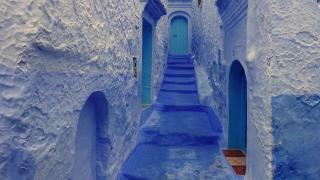
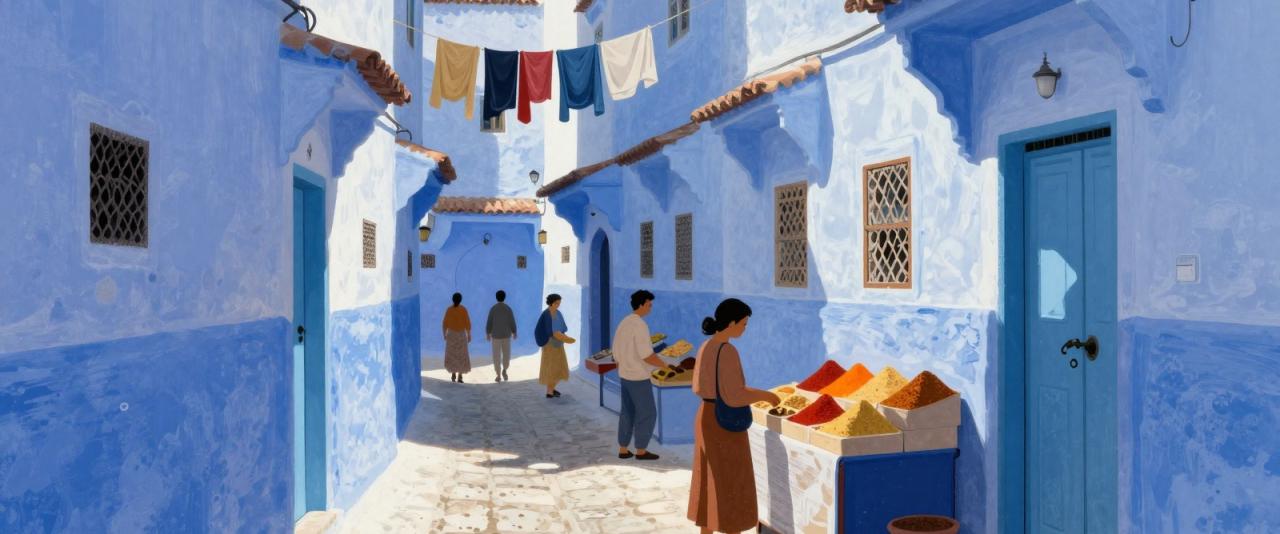
Chefchaouen sits in the Rif mountains of northwest Morocco, between Tétouan and Ouazzane. Its medina, founded as a small fortress in 1471 by Ali ibn Rashid al-Alami, is known for its blue-washed houses and stepped lanes. Most of what visitors come for, wandering those lanes, sitting in the main square, walking up to viewpoints, costs nothing. That makes it one of the easier places in Morocco to keep spending low, provided you are smart about transport, timing and where you eat.
Getting there cheaply
Chefchaouen has no railway station or airport, so most budget travellers arrive by intercity bus. Both the national operator CTM and private companies run services from Fes, Tangier, Tétouan and other cities to the town's bus station, which is below the medina. CTM tickets can be bought online, which helps on busy routes; private buses are often cheaper but less predictable.
Shared grand taxis are the other option, especially from Tétouan. They leave when full, each seat has a fixed fare, and you can buy two seats if you want more space.
From the bus station it is an uphill walk to the medina. A petit taxi for that short ride is inexpensive, and worth it with heavy bags.
Where to stay for less
Accommodation inside the medina ranges from simple hostels and guesthouses with shared bathrooms to restored riads. The cheapest options are usually small family-run guesthouses and hostels with dorm beds. A few ways to cut the bill:
- Avoid peak periods. Spring weekends and Moroccan holidays bring domestic tourists, and prices rise.
- Book directly where possible and ask whether breakfast is included; a Moroccan breakfast of bread, eggs, olive oil and tea can cover the first meal of the day.
- Staying just outside the medina walls can be cheaper and still within walking distance of the centre.
- Bring warm layers in winter. The town is in the mountains, nights can be cold, and budget rooms are not always well heated.
Eating well without overspending
Restaurants on and around Outa el Hammam, the main square, charge for the location. Walk a few lanes away and prices drop. Good-value options include:
- Bissara, a thick fava bean soup with olive oil and cumin, which is a traditional cheap breakfast in the north.
- Snack bars and rotisseries selling sandwiches, grilled meat and rotisserie chicken with chips.
- Bakeries and market stalls for bread, local goat's cheese from the Rif, olives and fruit, which make an easy picnic.
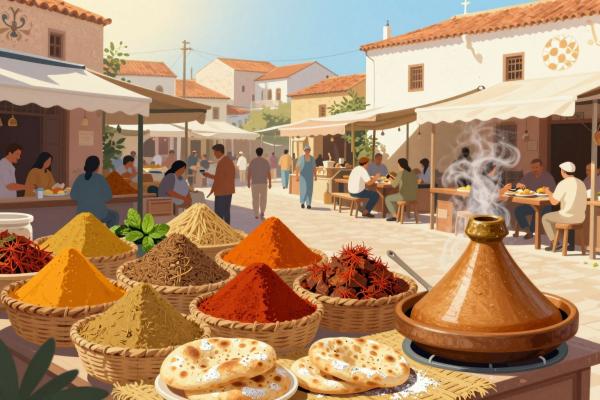
- Set menus at simple restaurants, which often include soup, a tagine and fruit.
Ask for the price before ordering if there is no menu, and check the bill. Tap water is not recommended for most visitors; buying large bottles rather than small ones keeps costs down.
Free things to do
- Walk the medina. The best way to see the blue lanes is simply to wander, especially early in the morning before day-trippers arrive. Respect residents' doorways and do not climb onto steps or private property for photos.
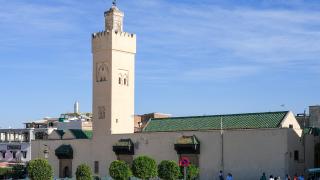
- Outa el Hammam. The central square is framed by the Great Mosque and the kasbah and is the social centre of town.
- Ras el Ma. The spring just east of the medina was historically the town's main water source. Locals still use it, and the stream below is a pleasant place to sit.
- The Spanish Mosque viewpoint. A path from Ras el Ma climbs to a disused mosque built by the Spanish in the 1920s on the hill east of town. The walk takes around half an hour and is popular at sunset for the view over the whole town.
The kasbah, now a small museum with a garden courtyard, has a modest entry fee and is the main paid sight in the medina.
Low-cost walks in the Rif
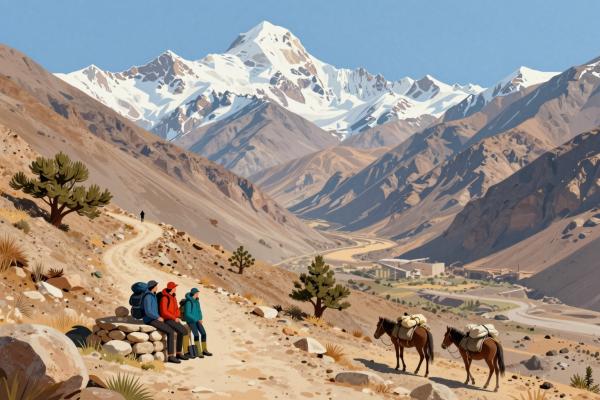
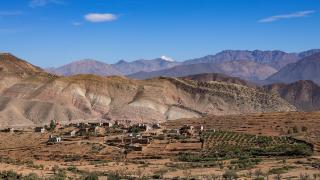
Chefchaouen sits on the edge of Talassemtane National Park, which covers limestone mountains and fir and cedar forest. Many visitors take shared taxis to Akchour, where trails follow a river gorge towards waterfalls and a natural rock arch known as God's Bridge. Shared transport keeps the cost low compared with a private driver.
For longer or less obvious trails, a local guide is sensible: paths are not always marked, phone signal is patchy and the weather changes quickly in the mountains. The Rif has a reputation for cannabis cultivation and some visitors are approached with offers; declining firmly and moving on is enough.
A budget checklist
- Book CTM seats in advance on busy days.
- Travel outside spring weekends and holidays.
- Choose a guesthouse with breakfast included.
- Eat a few lanes back from the main square.
- Spend your first morning walking the medina, then hike to the Spanish Mosque for sunset.
- Use shared taxis for a day trip to Akchour.