Losing the Tourist Trail: Into the Heart of Kasbah
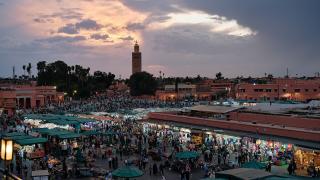
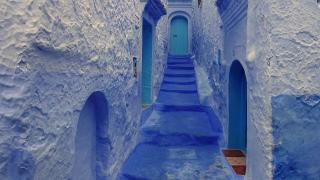
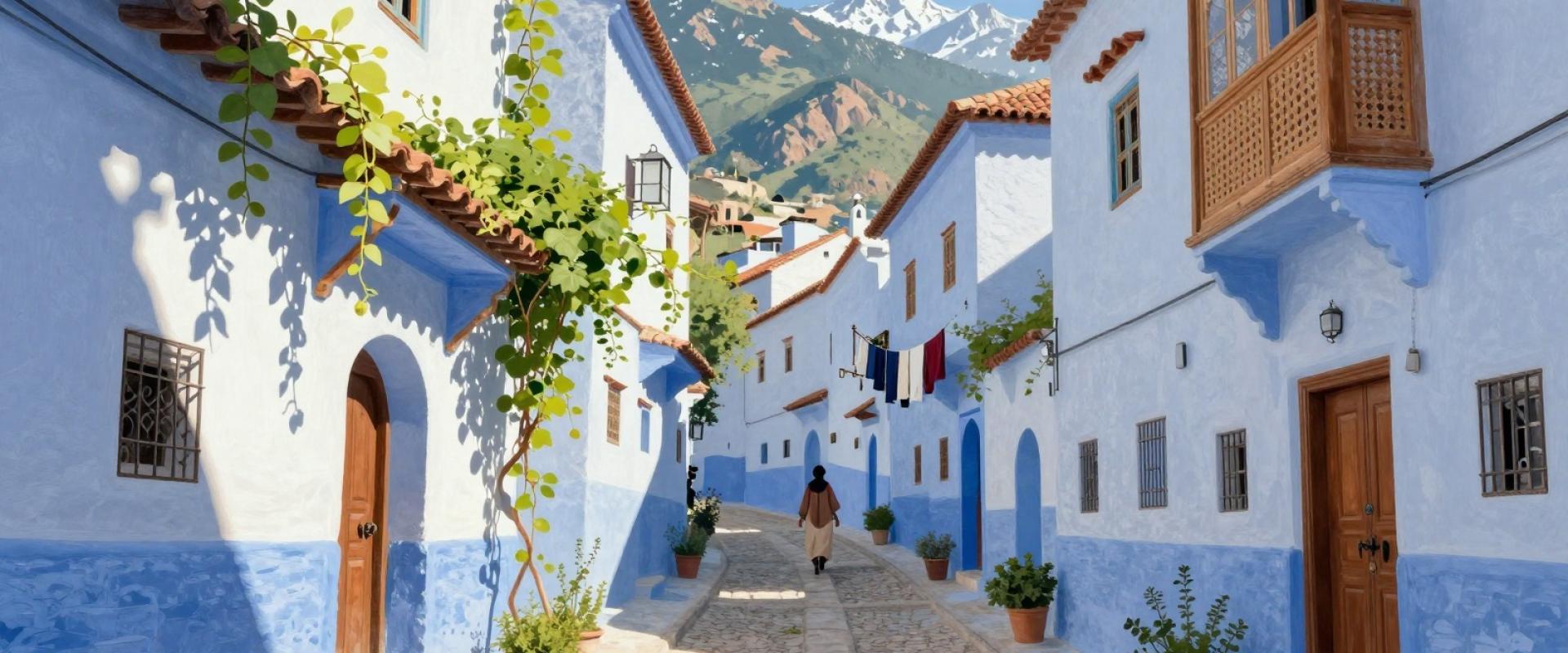
The wind hits the Atlas peaks first, carrying the sharp, resinous scent of cedar and dry dust long before your feet touch the cobblestones of Chefchaouen. While the majority of travelers cluster around the Grand Mosque, chasing perfect lighting for social media in the crowded main squares, the city’s true pulse beats elsewhere. It thunders in the shadows of the Kasbah quarter, a fortified zone established in 1471 that holds the oldest secrets of the Rif Mountains. Sephardic Jews originally painted these walls a specific shade of blue to symbolize the heavens, a tradition that has evolved into the landscape’s defining characteristic.
Narrower streets reveal the rhythmic clatter of copper work and the rich, sweet aroma of fresh mint tea steeping in glass. The blue paint here is not merely aesthetic; it is a tangible record of history, layered over centuries. In small, dimly lit workshops, artisans hammer out intricate designs, their sounds echoing off textured stone. You can watch them work, noticing the sweat on their brows and the steady precision in their hands—a stark contrast to the hurried, transactional pace of the tourist traps. This is where the city breathes, offering a sensory experience that no photo filter can replicate.
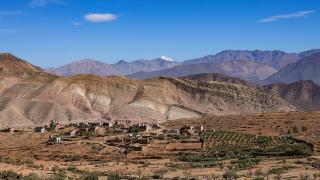
Climbing higher rewards your effort with a panoramic sweep of the Rif Mountains. The view from the Kasbah terrace stretches out in a haze of green and blue, silent and heavy with centuries of stories. Leave the crowds behind and find your own path through the quiet alleys. The silence here is not empty; it is full of presence. You arrive not just as a visitor, but as a witness to a living history that refuses to be rushed.
Whispers of the Artisan: Crafting in the Upper Medina
The soul of Chefchaouen lies far above the chaotic energy of the main square, hidden within the upper medina’s labyrinthine staircases. Most visitors miss this depth by lingering in the tourist traps, haggling over mass-produced trinkets while ignoring the living history just a few blocks away. Instead of staying near the noise, climb higher until the crowds thin and the air grows still.
Behind doors painted in fading shades of indigo, quiet workshops operate with a serene dedication that demands respect. You might stumble upon a potter’s hands, coated in wet clay, coiling earth into vessels on a traditional wheel. Nearby, a weaver meticulously knots Berber rugs, creating complex geometric designs that have survived for generations. These creators do not shout for your attention; their silence is part of the craft, inviting you to slow down and observe the precision involved.
Engage with genuine curiosity rather than treating them as mere photo opportunities. Ask about the specific techniques passed down through families, or the meaning behind the patterns woven into the textiles. This interaction transforms a simple transaction into a meaningful exchange, supporting the local economy directly and preserving heritage. Leave with a piece that carries a story, not just a souvenir, and carry home the raw, authentic essence of this ancient city.
Golden Hour in the Blue Maze: A Photographer’s Secret
Midday sunlight strips the Medina of its soul, bleaching the iconic blue paint into a flat, overexposed canvas. To avoid this sterile look, you must wait until late afternoon. Between 5 PM and 7 PM, the sun dips behind the Rif Mountains, casting long, dramatic shadows that reshape the landscape. Light slants through narrow alleys, transforming ochre walls into glowing amber and giving the blue facades a tangible, textured depth.
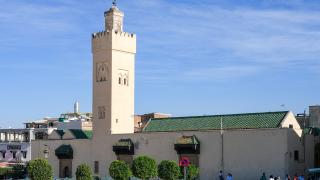
Instead of battling crowds in the main souk, wander toward the quieter residential streets near the lower approach to the Spanish Mosque. Here, the atmosphere shifts. Locals sit on doorsteps, their daily routines unfolding without pretense or performance. The light is soft and diffused, forgiving of minor exposure errors while highlighting the intricate interplay of shadow and color. Capture these unposed moments before the streetlights flicker on, marking the transition from day to night.
This experience requires patience, not speed. Let the fading light guide your steps through the maze rather than rushing toward a quick snapshot. Use a wide-angle lens to frame the towering sky against the blue arches, creating a stark, authentic contrast. Keep your camera ready. The Golden Hour in Chefchaouen is fleeting, offering a rare harmony between architecture and nature that rewards those who linger.