
The Tuesday, Thursday, Sunday Rhythm
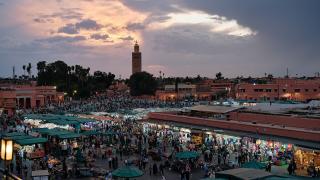
There is a distinct heartbeat to the Rissani Souk, but it only beats on three days: Tuesday, Thursday, and Sunday. For the rest of the week, the streets fall into a heavy, respectful silence. To witness the market in its full, vibrant glory, you must align your schedule with this ancient rhythm.
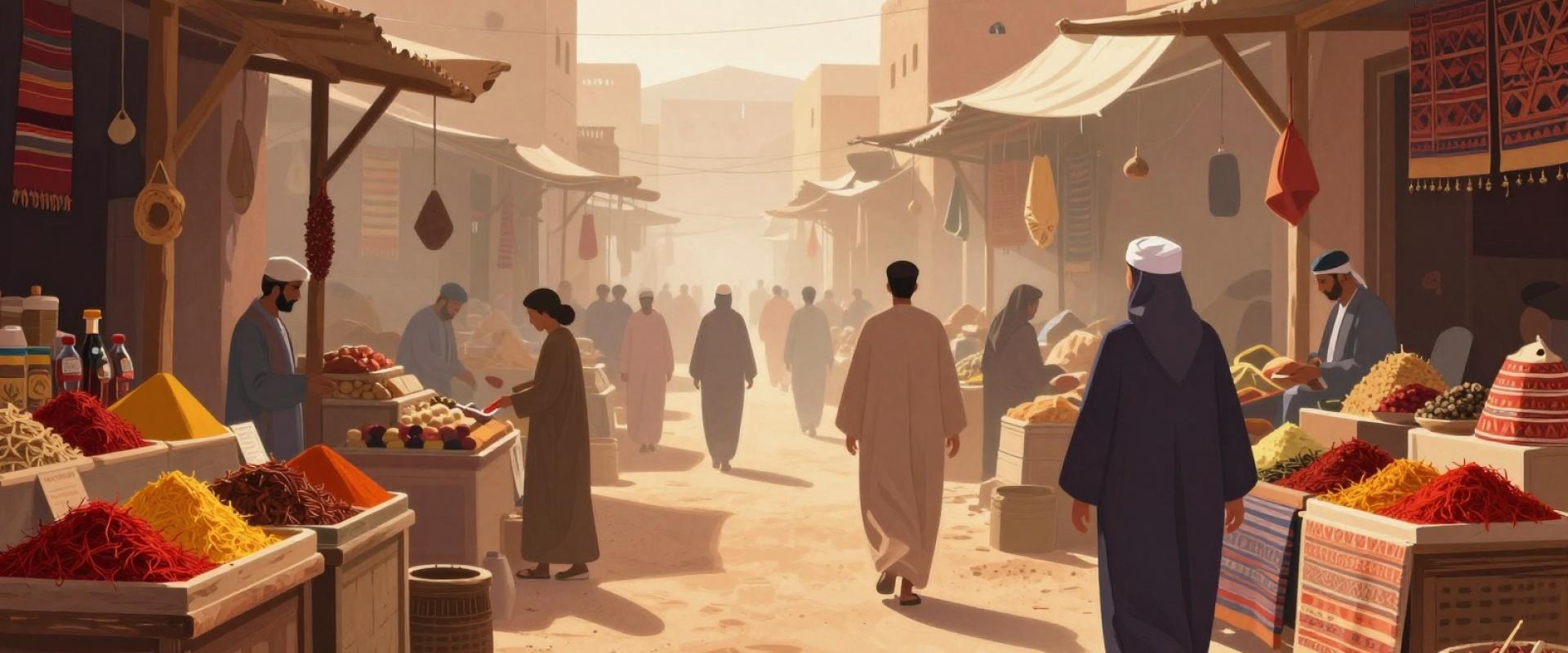
Arrive before noon. The early light brings out the best in the traders, who unveil their finest wares during these peak morning hours. The air becomes thick with the aroma of high-grade saffron and the earthy complexity of ras el hanout spice blends. You will see artisans displaying handwoven carpets, their geometric patterns telling silent stories of local heritage. Standing out among these treasures are the fresh Medjool dates, plump and sweet, widely considered the region’s crown jewel.
Steer clear of the off-days. Outside of this specific weekly cycle, the souk remains dormant. While there is a quiet charm to the empty stalls, the vibrant pulse that defines the Rissani experience simply isn’t there. If you want the energy, the noise, and the true spirit of the trade, you must show up on the designated days.
Saffron, Silk, and the King of Dates
When the gates open on a market day, the sensory experience is immediate. You are not just shopping; you are stepping into a living museum of Moroccan craftsmanship. The air grows heavy with the scent of high-grade saffron, while nearby, artisans lay out their handwoven carpets. These are not mere decorations; the intricate geometric patterns are a visual language, reflecting centuries of local heritage and tribal identity.
Yet, the true star of the show remains the date. Often called the "King of Dates," the Medjool here is unlike any found in international supermarkets. Plump, caramel-soft, and impossibly sweet, they are a regional specialty that defines the local economy. What makes this experience special is the direct connection to the maker. You are buying from the hands that cultivated the palm groves and the weavers who tied the knots. This direct artisan sourcing guarantees authenticity, ensuring that every item carries true traditional value rather than mass-produced imitation.
Negotiating with Precision and Respect
Bargaining in the souk is a dance, not a battle. Start your negotiation at half the vendor’s initial ask. This anchor sets a realistic range without insulting the seller or shutting down the conversation. Throughout the exchange, keep your tone calm and your body language open. A smile goes further than a shout in the souk; it signals that you are interested in the person, not just the product.
Practicality is key to a smooth transaction. Carry small denominations of Moroccan Dirhams. Crumpled, large bills slow down exchanges and create unnecessary friction. Having exact change shows you are serious about buying and allows for quick, seamless movement between stalls.
If the price stalls and the vendor refuses to budge, walk away politely. This gesture often triggers a better offer, as it signals you are willing to leave but not desperate to buy. The goal is mutual satisfaction, not victory. You want Medjool dates that taste like honey, not a headache. You want textiles woven by local artisans, not factory duplicates. Leave with dignity if the number doesn’t work. Fair trade builds reputation for everyone involved, and a respectful exit often leaves the door open for a future visit.
Logistics and Next Steps
Getting to Rissani from nearby hubs like Merzouga or Midelt requires a bit of foresight. You can catch local buses, but be aware that schedules shift often and can be unreliable. Renting a car offers more freedom, but you should book ahead, especially during peak travel seasons.
Your itinerary must revolve around the market days. Tuesday, Thursday, and Sunday are the only days the market thrives. Plan your arrival and departure to ensure you are present for the full range of goods. A single day might feel rushed, so consider staying overnight to experience the transition from the chaotic morning rush to the quieter evening atmosphere.
Accommodation books up quickly. During peak seasons and especially around the annual Date Festival, rooms vanish fast. Last-minute searches often lead to expensive or poor-quality options. Secure your lodging early to guarantee a comfortable base.
Pack layers for the desert air. Mornings can be surprisingly crisp, while afternoons bake under the intense sun. A light jacket suffices for early hours, but you will need breathable cotton as the day heats up. Finally, focus your purchases on traditional, locally sourced items. Artisan-made textiles and handcrafted ceramics define the authentic experience. Skip mass-produced souvenirs in favor of unique, meaningful purchases that support the local economy and serve as genuine mementos of your journey.