

The Golden Hour Advantage: Escaping the Tourist Tide
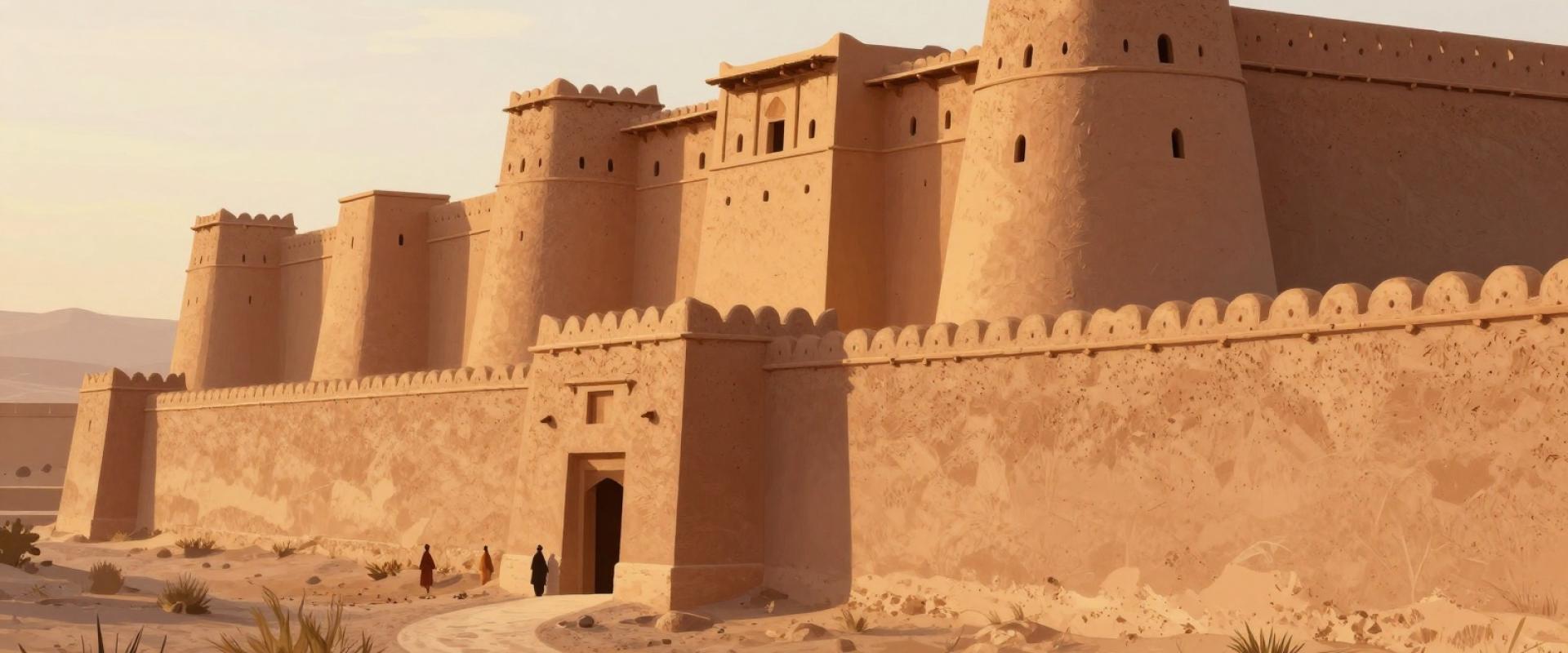
Reaching Aït Benhaddou before 9:00 AM is less about logistics and more about strategy. Most visitors arrive in congested waves, turning the narrow, earthen pathways into a chaotic bottleneck of tour buses and cruise groups by mid-morning. This sudden influx overwhelms the historic ksar, transforming what should be a serene exploration into a frantic rush.
Early arrival grants you privileges that extend far beyond empty streets. It offers the soft, directional light essential for capturing high-contrast photographs of the mud-brick architecture. The harsh, flattening shadows of midday disappear, replaced by gentle illumination that brings out the intricate textures of the ancient walls. You also gain the rare opportunity for unhurried interactions with local artisans, who are still settling into their daily rhythms before the day’s commercial activity begins.
Physical comfort plays an equally crucial role in this equation. Navigating the steep, dusty terrain under the intense Moroccan sun becomes exhausting quickly, particularly after 10:00 AM when the heat peaks. By prioritizing efficiency in your itinerary, you avoid this fatigue and secure a quieter, more authentic perspective of the site.
The difference between a frantic photo-op and a meaningful experience hinges entirely on your departure schedule from Ouarzazate. Plan your transport carefully to ensure you have ample time to absorb the atmosphere before the crowds accumulate. This simple shift in timing maximizes both photographic quality and personal comfort, allowing you to truly appreciate this cinematic landmark without the pressure of the clock.
Climbing the Ramparts: A Hiker’s Panoramic Reward
The ascent to the upper terraces demands steady legs, but the moderate incline remains manageable for most hikers. You navigate steep earthen steps that test your balance and focus, leading you away from the main thoroughfares. From the summit, the defensive architecture reveals its strategic logic. These walls once controlled access to this UNESCO World Heritage site, and their layout becomes unmistakable from above. The perspective shifts from simple observation to historical understanding.
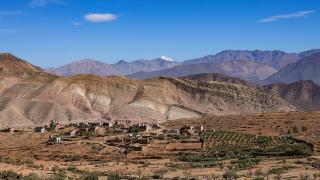
You gaze across the Ounila Valley, where dramatic contrasts define the landscape. Reddish mud-brick kasbahs rise sharply against the lush green of the valley floor. An old mosque perches at the highest point, anchoring the village’s ancient layout. This 360-degree panorama explains why filmmakers selected this location for epic scenes. The scale of construction becomes tangible, highlighting the isolation of the fortified village.
Practical preparation ensures comfort and safety on the trail. Wear sturdy shoes with good grip for the uneven, dusty terrain. Carry at least one liter of water per person, as the High Atlas sun intensifies even in the shade. The path is well-trodden but steep in sections, so stay on marked routes to prevent erosion. Check your footwear before you begin, and plan for twenty minutes to climb and return safely.
The physical effort yields a clear, unobstructed view rare among Moroccan sites. Bring a camera with a zoom lens to capture architectural details from a distance. This activity anchors any efficient itinerary from Ouarzazate, providing essential context for the rest of your tour. The exertion helps you appreciate the site’s scale, offering a profound sense of accomplishment. Breathe in the dry air and take your time. The view is not merely a photo opportunity; it is a historical lesson. The architecture speaks for itself if you look up. The valley stretches endlessly, backed by rising mountains. This experience transforms a simple walk-through into a deep engagement with history.
Beyond the Walls: Cinematic Heritage and Clay Artistry
Stepping onto the lot of Atlas Film Studios reveals a scale of production that is immediately overwhelming. Massive stone walls and archways, iconic from Gladiator and Game of Thrones, stand as permanent sets within extensive soundstages. This site demystifies cinematic magic, showing how modern materials construct ancient worlds. It is a place where the ephemeral nature of film production meets permanent architectural grandeur.
A short drive away in Ouarzazate, the pace shifts to the rhythmic turning of a potter’s wheel. Local artisans shape traditional earthenware using methods unchanged for centuries, applying intricate geometric patterns by hand. Here, industrial filmmaking meets indigenous Moroccan culture, offering a tangible look at the region’s dual economy. This contrast highlights the intersection of transient film sets and enduring handmade goods. The experience balances high-energy visual history with quiet, focused craftsmanship. It is an efficient way to grasp the complex identity of Ouarzazate, leaving you with a grounded understanding of how cinema and clay coexist in this arid landscape.
Logistical Checklist: Securing Your Day Trip
Pre-booking your transport from Ouarzazate is the single most effective way to guarantee a smooth return, especially since spontaneous taxis can be scarce in the late afternoon. Whether you opt for a private driver or a structured tour, securing this arrangement beforehand removes the stress of haggling and ensures you have a reliable ride waiting when you’re ready to head back.
Pack for the elements with a light, layered approach, as the High Atlas Mountains shift from cool mornings to intense midday heat. A wide-brimmed hat and sturdy, closed-toe shoes are non-negotiable for navigating the uneven, dusty paths that wind up the hillside, protecting your feet from the rough terrain while keeping the sun at bay.
Keep small bills of Moroccan Dirhams handy for minor expenses like parking fees, guide tips, or entry to small local museums. Since some film studios or visitor centers may have irregular hours or unexpected closures, a quick check of their current schedules before you leave home will save you from arriving to locked doors.
When your logistics are handled in advance, you can shift your focus entirely to the historic mud-brick architecture and the panoramic views rather than worrying about administrative hurdles. This level of preparation transforms a potentially chaotic day trip into a seamless, immersive experience at this ancient fortified ksar, allowing you to truly absorb the atmosphere without distraction.