7 days
Best of Morocco in a Week
Seven days covering Marrakech, Sahara Desert, and Fes
View Itinerary →
10 days covering Marrakech, Sahara, Fes & Chefchaouen
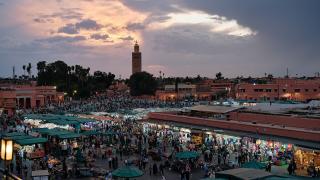
Arrive in Marrakech, check into your Riad, and explore the vibrant heart of the city, Place Jemaa el-Fnaa and the surrounding souks.
Transfer to Riad
Taxi or transfer from Marrakech Menara Airport (RAK) to your accommodation in the Medina.
Explore Place Jemaa el-Fnaa
Walk around the main square, soak in the atmosphere, and watch the street performers. Note: While the slug references Fes, this activity is conceptually Place Jemaa el-Fnaa in Marrakech for this itinerary.
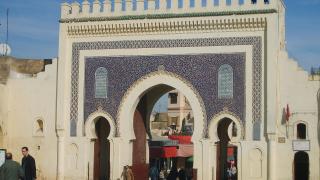
Walk through Bab Bou Jeloud
Stroll through the iconic blue gate leading into the medina, observing the architecture and local life.
Where to stay: Stay in a traditional Riad within the Marrakech Medina for an authentic experience.
Getting around: Walkable area; use petit taxis for longer distances.
Discover the imperial history of Marrakech, including the Bahia Palace and the bustling souks.
Bahia Palace
Visit the stunning 19th-century palace showcasing Moroccan architecture and design.
Souk Exploration
Navigate the labyrinthine souks, bargaining for spices, leather, and textiles.
Majorelle Garden
Visit the famous botanical garden and Yves Saint Laurent museum.
Where to stay: Marrakech Medina.
Getting around: Walking and short taxi rides.
Drive into the High Atlas Mountains to Imlil, the gateway to Mount Toubkal, and enjoy Berber culture.
Drive to Imlil
Scenic drive through the Atlas Mountains to the village of Imlil.
Imlil Village & Co-ops
Visit local Berber co-ops and craft workshops, learning about traditional weaving and argan oil production.
Short Hike
A gentle hike to a nearby viewpoint overlooking the valley.
Where to stay: Stay in a guesthouse in Imlil.
Getting around: Private driver or rental car recommended for this leg.
Travel south to Ouarzazate, the 'Hollywood of Africa', and visit the UNESCO site of Ait Benhaddou.
Drive to Ouarzazate
Long drive through the Dades Gorges and Todra Gorges towards Ouarzazate.
Ait Benhaddou
Explore the fortified village, a UNESCO World Heritage site and famous film location.
Beni Haddou Kasbah
Visit the well-preserved kasbah nearby, known for its pristine architecture.
Where to stay: Stay in Ouarzazate.
Getting around: Private driver or rental car essential.
Drive through the Draa Valley, known for its palm groves, and stop at scenic overlooks.
Draa Valley Drive
Drive along the Draa River, stopping at palm groves and local villages.
Draa Valley Overlook
Visit the Kasbah fortress overlooking the Draa Valley for panoramic views.
Boumalne Dades Exploration
Explore the town of Boumalne Dades and surrounding kasbahs.
Where to stay: Stay in a hotel in the Dades Gorges.
Getting around: Private driver or rental car.
A long travel day crossing the Middle Atlas Mountains to reach the cultural capital, Fes.
Drive to Fes
Long drive through the Middle Atlas Mountains, passing cedar forests and Ziz Valley.
Arrive in Fes & Bab Ftouh
Arrive in Fes and visit Bab Ftouh, marking the southeastern edge of Fes el-Bali.
Where to stay: Stay in a Riad in Fes el-Bali.
Getting around: Private driver or rental car.
Explore the world's largest car-free urban area, Fes el-Bali, and its famous tanneries and souks.
Fes el-Bali Walking Tour
Guided tour of the ancient medina, including the University of Al Quaraouiyine.
Place Seffarine
Watch master copper-smiths at work in the historic square.
Mellah (Jewish Quarter)
Visit the ancient Jewish quarter ruins and the Jewish Cemetery.
Where to stay: Fes el-Bali.
Getting around: Walking is best within the medina.
Travel north to the Blue City, Chefchaouen, nestled in the Rif Mountains.
Drive to Chefchaouen
Scenic drive north through the Rif Mountains to Chefchaouen.
Chefchaouen Medina
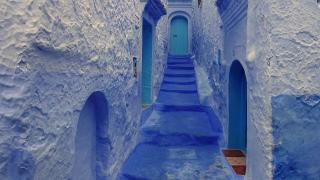
Explore the iconic blue-washed streets and squares of Chefchaouen.
Where to stay: Stay in a Riad in Chefchaouen.
Getting around: Private driver or rental car.
Head to the capital city, Rabat, for a mix of history and modernity.
Drive to Rabat
Drive south along the coast to Rabat.
Rabat Medina & Kasbah
Explore the Kasbah of the Udayas and the old medina.
Where to stay: Stay in Rabat.
Getting around: Private driver or rental car.
Visit Casablanca's iconic mosque and depart from Mohammed V International Airport.
Drive to Casablanca
Short drive from Rabat to Casablanca.
Hassan II Mosque
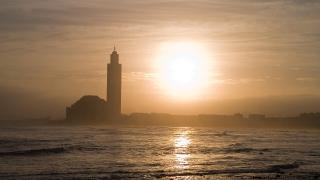
Visit the stunning mosque built on the Atlantic Ocean, one of the largest in the world.
Transfer to Airport
Transfer to Mohammed V International Airport for departure.
Where to stay: None (Departure).
Getting around: Private driver or rental car.
Seven days covering Marrakech, Sahara Desert, and Fes
View Itinerary →