



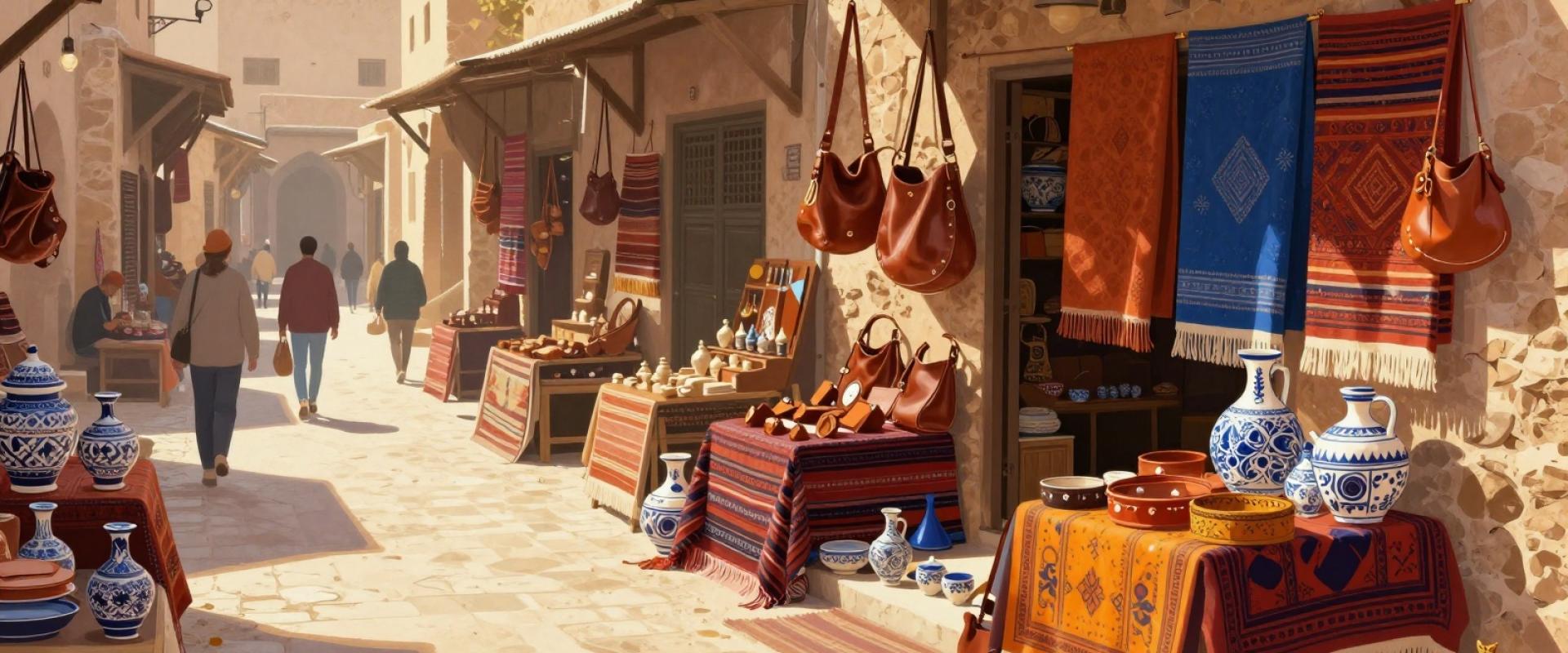
Echoes of the Medina: A Personal Prologue
My grandfather’s hands once coaxed life from raw clay in Fez’s medina, shaping vessels that outlasted dynasties. That legacy frames my view of commerce today: not as a transaction, but as a dialogue. To navigate the souk’s chaotic rhythm, you must understand that haggling is a social dance, not a battle. Reasonable targets often sit 30–40% below the initial ask, but the real value lies in the engagement. True authenticity hides in family-run workshops where Berber weavers and Andalusian tile-makers still use ancestral techniques, bypassing the mass-produced goods churned out in factories on the city’s periphery. Whether you seek hand-knotted rugs or intricate zellige tiles, learning the history behind the craft turns a simple purchase into a tangible connection with Morocco’s living heritage. Treat the artisan’s time with reverence, and you will leave not just with an object, but with a fragment of its enduring story.
While Marrakech dazzles with polished rugs, true value often hides in the Atlas foothills. In Rissani’s souk, you might find cumin at remarkably low rates, though prices fluctuate with the season and harvest. Chefchaouen offers hand-spun wool blankets that reflect deep Berber heritage, but the real magic lies in the texture and the maker’s mark rather than a fixed price tag. In Salé, potters still craft intricate zellige tiles directly from local clay, bypassing industrial middlemen. Meanwhile, cooperatives in Midelt operate on fair-trade principles, ensuring artisans receive a living wage for their labor. This direct connection transforms a simple transaction into a meaningful exchange of culture and respect.
Haggling remains an essential part of the experience, but it should feel like a conversation, not a battle. Aim to negotiate down by roughly 30 to 40 percent, keeping in mind that fairness benefits everyone. Avoid the mass-produced goods sold in tourist-heavy zones near Jemaa el-Fnaa; instead, seek out workshops in Fez’s medina where you can watch the craft in action. Authenticity thrives when you engage with the maker, not just the merchant. By purchasing directly from these sources, you support local economies and help preserve dying art forms. Each purchase tells a story woven into the thread or carved into the tile. Travel with intention, and let the journey reveal more than just objects.
The Art of the Negotiation: A Dance of Respect
Haggling in Morocco feels less like a commercial transaction and more like an intricate social dance, one where respect dictates the rhythm. When you spot a hand-carved cedar box in Fez’s medina, the artisan might initially ask 300 dirhams, a figure far removed from the item’s likely value. Instead of arguing, offer half that amount and prepare to walk away with a genuine smile. This gesture, deeply embedded in local culture, often signals the merchant to call you back with a more reasonable counter-offer.
Curiosity becomes your best tool during this exchange. Asking about the source of the wood or the traditional dyes used shifts the focus from price to process. These questions honor the maker’s skill, turning a simple purchase into a meaningful human connection. You are supporting a family’s livelihood, so approach the interaction with empathy rather than the desire to "win" a battle. Let silence do the heavy lifting. Pausing allows both parties to reflect, often leading to a fair price without the need for aggressive haggling. When the deal is finally struck, you leave not just with a souvenir, but with a narrative woven into the craft itself. This mutual satisfaction elevates the object from mere merchandise to a cherished memory, ensuring the experience remains as valuable as the item you carry home.
Threads of Integrity: Ethical Consumption in the Souk
True authenticity reveals itself through touch. Genuine leather yields softly under pressure, whereas mass-produced imitations stay rigid and unnaturally uniform. When you spot a stall, remember that haggling is a social contract rather than a battle. Aim to settle at 30–40% below the initial quote in major hubs like Marrakech or Fez. This negotiation is less about price and more about engagement. Seek out women’s cooperatives in the Agafay Desert, where argan oil is pressed using ancient methods that sustain local economies. Supporting these groups preserves heritage instead of eroding it. Similarly, choosing handcrafted rugs over factory-made alternatives ensures traditional Berber weaving techniques survive for future generations.
The slight irregularities in a handmade ceramic tagine are not flaws; they are signatures of human care. By purchasing directly from artisans, you validate their livelihoods and protect the intricate web of Moroccan craftsmanship from homogenization. Ethical consumption transforms a simple transaction into a dialogue between cultures. It is a conscious choice to value the hands that made the object over the convenience of mass production. When you engage with this mindset, every purchase becomes an act of preservation, keeping the soul of Moroccan craftsmanship alive in a rapidly modernizing world.
A Legacy Woven in Time
Souvenirs are tangible threads connecting you to the artisans of Fez and the weavers of the Atlas. You might find hand-pressed babouche slippers for 50 MAD in a quiet souk corner, far from the polished tourist traps where items are often mass-produced in factories outside the medina. Authenticity requires patience. The reward, however, is holding a piece of history.
Consider a family-run cooperative in Ouarzazate. Berber women here weave wool into intricate rugs using techniques unchanged for centuries. These crafts carry the weight of generations, transforming simple materials into enduring symbols of resilience. By choosing these pieces, you support living traditions rather than factory-made imitations. Let each item serve as a reminder that true value lies in the story behind the craft, inviting you to share Morocco’s rich heritage long after your journey ends. When you pack your bags for home, you are not just taking souvenirs; you are carrying forward a legacy of skill, patience, and human connection.