Mapping the Atlas to Atlantic Corridor
Covering 1,500 kilometers from Casablanca to the Sahara in seven days is less of a vacation and more of a logistical expedition. This route demands precision, stitching together imperial hubs like Fes and Marrakech with remote desert camps through Morocco’s most dramatic topography. You will traverse coastal plains, ascend the High Atlas via the winding Tizi n’Tichka pass, and descend into the arid dunes. The key to success is pacing; rush the journey, and you risk burnout. Miss the details, and you miss the soul of the country.
Advance bookings are not merely recommended; they are non-negotiable. Whether securing a robust 4x4 rental or locking in hotels during peak season, flexibility is a luxury this itinerary does not afford. The plan prioritizes efficient transit over spontaneous detours, ensuring you cover significant ground without sacrificing key highlights. Expect steep mountain passes, sandy tracks, and weather that can shift from scorching sun to biting wind within minutes in the Atlas Mountains.
Practical preparation forms the backbone of this experience. You must verify road conditions, plan fuel stops meticulously, and account for tolls and small cash purchases in rural villages. This structured approach balances cultural immersion with necessary travel intervals, preventing delays in a vast country. By managing these logistical details upfront, you create space to truly experience the varied scenery—from cedar forests to arid stone kasbahs—without the stress of last-minute scrambling.
Day One to Three: Coastal Starts and Mountain Passes
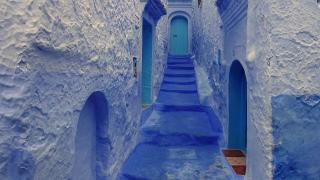
Your journey begins in Casablanca, heading north toward Rabat. Cross the Bouregreg River into Salé for a quick lunch, then turn inland toward the Middle Atlas. Ifrane offers a cool break from the heat, providing a refreshing pause before the road climbs higher. From there, the route leads north to the blue-washed streets of Chefchaouen, where the air feels cleaner and the pace slows.
Day two marks a significant shift in terrain and distance. You will cover roughly 350 kilometers from Chefchaouen to Midelt, traversing the Ziz Valley. This long haul demands preparation, so fill your tank in Midelt before facing the final leg. The drive transitions from lush greenery to a more rugged, arid landscape, setting the tone for the desert ahead.
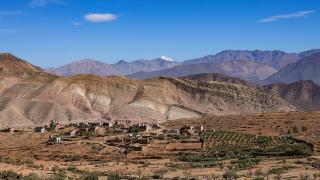
The third day requires focus as you navigate the Tizi n'Tichka pass. This mountain road is steep, winding, and demands moderate speeds for safety. Expect about four hours of transit time as the scenery changes from cedar forests to stark, arid stone. Keep your eyes peeled for the historic Ait Benhaddou kasbah on your approach to Ouarzazate. Arriving by late afternoon gives you ample time to check into your hotel and rest before the Sahara departure.
Practical logistics here are straightforward but essential. Book your rental car in Casablanca with full insurance, as the roads can be narrow and busy. Carry Moroccan Dirhams for small purchases and tolls, since credit cards aren’t always accepted. This segment highlights the stark contrast between the coast and the sand, a defining feature of Moroccan travel. Take your time, stay alert, and enjoy the varied landscapes that make this drive so rewarding.
Day Four to Five: The Gateway to the Sahara
The landscape shifts abruptly from the green Middle Atlas foothills to the arid pre-Sahara region, a transition marked by a stop at the UNESCO World Heritage site of Aït Benhaddou. This fortified ksar offers a stark, photogenic contrast to the valleys you left behind, with its ancient mud-brick structures standing as silent witnesses to centuries of history.
From there, a roughly 200-kilometer drive east leads to Rissani, a historic trading post that once served as a vital link on caravan routes connecting Morocco to the Sahara. The journey continues south toward Merzouga, where the Erg Chebbi dunes rise dramatically against the horizon, signaling the true beginning of the desert experience.
Arriving in Merzouga by late afternoon allows time to rest before the sunset camel trek, but logistical preparation is crucial. Advance booking for desert camps is essential, as overnight stays including meals typically range from 300 to 800 MAD per person. Additionally, ensure your rental vehicle has high clearance and check tire pressure carefully, as the shift from mountain terrain to soft sand demands cautious driving. This leg of the journey marks a significant environmental change, preparing you for the unique challenges of desert travel.
Day Six to Seven: Return Routes and Final Destinations
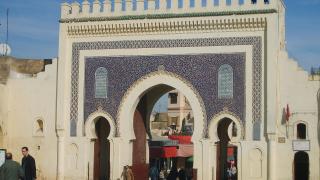
Leaving Merzouga marks the start of the homeward stretch, guiding you northward through the Ziz Valley. This landscape offers a striking visual shift from the endless sand dunes to lush palm groves that sustain local life. The drive covers the distance to Fes in roughly five hours, providing ample time to soak in the scenery.
Once you reach Fes, secure lodging in the Medina for the night. Booking this accommodation well in advance is non-negotiable for a stress-free stay. Use this evening to rest and recover before tackling the final leg of your journey.
Day Seven demands efficiency as you head toward Casablanca, a trip spanning approximately 230 kilometers. Aim to depart Fes by 8:00 AM to bypass the worst of the urban traffic. This timing ensures you arrive with enough daylight to handle the necessary logistics.
Upon arrival in Casablanca, proceed directly to the rental agency to return your vehicle. Inspect the car carefully for any new damage and verify that the fuel level matches your contract exactly. Keep all receipts and documentation handy until you complete the final check-out. This thorough approach ensures a smooth transition back home.
Essential Logistics and Pre-Departure Checklist
Paperwork waits for no one, so finalize your documents before you leave. Confirm your driver’s license is valid, and determine if an International Driving Permit is mandatory for renting cars in Casablanca.
Accommodations in Fes and Merzouga vanish quickly during peak seasons. Reserve your stays early to secure spots in popular desert camps.
High-altitude Atlas Mountain passes demand reliable protection. Verify that your rental vehicle includes comprehensive insurance coverage for these rugged terrains.
Small towns rarely accept credit cards. Carry sufficient Moroccan Dirhams (MAD) for local purchases and transportation.
Navigation in remote desert areas requires connectivity. Keep a local SIM card or an international roaming plan active at all times.