Echoes of the Almohads
The Kasbah of the Udayas does not merely sit upon the Bou Regreg river mouth; it emerges from it, a stone sentinel forged in the crucible of medieval conflict. Its genesis dates to the tenth century, when Umayyad forces erected a ribat—a fortified monastery—to project power against the Barghawata Berbers. However, the structure’s most defining era arrived in the twelfth century, amid the volatile power struggles of the Maghreb. In 1143, Almoravid Emir Tashfin ibn Ali commissioned a significant reconstruction, transforming the outpost into a bulwark against the rising tide of the Almohad Caliphate.
That resistance was short-lived. By 1150 or 1151, Almohad Caliph Abd al-Mu'min had decisively defeated the Almoravids, dismantling the previous structures. Yet, these military upheavals did not erase the site; they sculpted it. The high, imposing walls and strategic positioning we observe today are direct responses to this era of siege warfare. The citadel commands a view across the water to Salé, a vantage point that once served as a critical border outpost and a fortified sanctuary.
Today, this UNESCO World Heritage Site stands as a testament to survival. The layered history is embedded in every weathered block of stone. Visitors are encouraged to explore during daylight hours, when the sun reveals the intricate craftsmanship of the masonry. The visual narrative is striking: ancient fortifications stand in stark contrast to the modern sprawl of Rabat beyond, creating a dialogue between past and present that is both jarring and beautiful.
Blue Walls and White Dreams
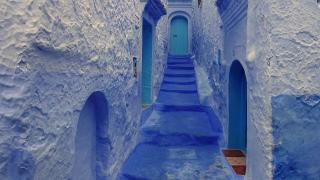
The visual identity of the Kasbah is defined by a bold chromatic contrast against the Atlantic horizon. The walls are washed in an intense, specific blue—a deliberate aesthetic choice rooted in the eighteenth-century Alaouite dynasty. This pigment is not merely decorative; it is functional. The reflective quality of the blue oxide helps mitigate Rabat’s coastal heat, keeping interior temperatures manageable during the summer months.
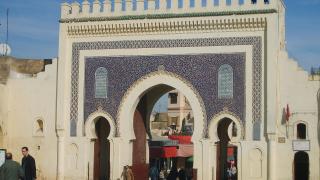
The architecture here is a masterclass in Moroccan design, relying heavily on zellige tile work. Intricate geometric patterns cover surfaces, defining the regional style with precision. While UNESCO recognition highlights its status as a fortified monastery, the site’s current appearance is a palimpsest of influences. The Almoravids laid the groundwork in the twelfth century, but later modifications blended seamlessly with these original structures.
This design prioritizes human comfort in a North African climate. Narrow pathways are arranged to maximize ventilation and shade, ensuring that the interior remains cool. The layout also ensures clear sightlines to the Bou Regreg river mouth, maintaining the site’s strategic visibility. Today, the Kasbah offers a serene alternative to the bustling medinas of Marrakech or Fes. Without the crushing crowds, visitors can observe the interplay of light on white plaster and blue accents, appreciating the quiet dignity of a space designed for both defense and devotion.
Reaching the Kasbah is an ascent that engages both body and mind. Accessible from the Hassan Tower area, the journey involves a short taxi ride—typically costing between 20 and 30 MAD—that climbs a steep hill. This physical effort is rewarded with a strategic perch at the river’s mouth, where the Atlantic Ocean stretches out to one side and the white-washed city of Salé sits across the water. The UNESCO designation is well-earned; this is an architectural gem, not just another tourist checkpoint.
Stepping into the blue-washed streets feels like entering a living museum. The layout reflects the twelfth-century reconstruction ordered by Tashfin ibn Ali, and the structural integrity of those original walls remains palpable. An entry ticket, priced around 20 MAD, grants access to the Andalusian Gardens and the foundations of the tenth-century ribat. Most travelers spend approximately 90 minutes wandering the uneven stone pathways, a pace that allows for quiet reflection among the whitewashed buildings.
For those seeking deeper context, hiring a licensed guide for roughly 150 MAD is highly recommended. This investment transforms a simple walk into an educational journey, unlocking the complex layers of Almoravid and Almohad history that might otherwise remain hidden. Alternatively, a self-guided tour offers freedom, particularly in the morning when temperatures are cooler and the soft light enhances photography. Shaded seating is scarce in the summer, so carrying water and budgeting for mint tea at a local café is essential for comfort.
Your Next Steps
Securing accommodation within the Kasbah requires foresight. Rooms near the blue-and-white medina walls vanish quickly during peak travel seasons. Budget-friendly riads start around 300 MAD per night, offering efficient logistics for your Rabat itinerary while keeping costs manageable. This historic area demands advance planning to ensure you have a comfortable base for exploration.
Weather plays a pivotal role in your experience. Strong Atlantic winds sweep through the Bou Regreg river mouth, affecting both physical comfort and photographic outcomes. Check forecasts before heading out; these gusts can make wandering narrow streets unpleasant if unprepared. Conversely, proper timing allows you to capture the best natural light against the white walls, particularly during the late afternoon when the sun softens.
As a protected heritage zone, the site holds deep historical layers best understood with local expertise. A guide reveals the twelfth-century Almoravid history that defines this landscape, adding depth to every corner you explore. Entry fees typically range from 10 to 20 MAD, a modest price for access to UNESCO-listed architecture. Plan your arrival to catch the golden hour, highlighting the contrast between blue gates and white facades.
Logistical clarity ensures a seamless exit from the medina. Check opening hours beforehand, as they shift with the seasons. Confirm taxi availability for your return trip to the city center to avoid being stranded. Some hotels offer shuttle services to the Hassan Tower area, which simplifies the logistics significantly. With these details in hand, your visit to this vertical slice of Rabat’s history will be both comfortable and memorable.