
3-day itinerary
Extended Salé Experience
3-day cultural overview of Salé, Rabat, and Meknes
- Length
- 3 days · 7 sights
- Pace
- Moderate
- Estimated cost
- MAD 138 per person
- Based in
- Salé
Day by day
-
Day 1: Ancient Ruins and Coastal Views
Begin the journey with Salé's most iconic historical sites, exploring the Chellah Necropolis and the historic Kasbah overlooking the Atlantic.
-
09:00
Chellah Necropolis Exploration
Walk through the serene Roman ruins and Merinid tombs. This UNESCO site offers a unique blend of ancient history and lush gardens along the Bouregreg River.
About 2 hours
-
11:00
Transfer to Kasbah
Short taxi ride or walk towards the Kasbah area.
About 15 min
-
11:30
Kasbah of Salé
Visit the 17th-century fortress. Enjoy panoramic views of the Atlantic Ocean and the Bouregreg River valley from the ramparts.
About 1.5 hours
-
13:00
Lunch near the Medina
Traditional Moroccan lunch at a local restaurant near the entrance to the old city.
About 60 min
-
14:30
Explore the museum housed in a beautiful 17th-century medersa. Learn about the region's history, archaeology, and traditional crafts.
About 2 hours
-
16:30
Coffee Break and Relaxation
Rest at a nearby café to recharge before the evening activities.
About 60 min
- Meals:
- Lunch at Medina Area
- Where to stay:
- Stay in a Riad or hotel within the Salé Medina for easy access to sights.
- Getting around:
- Use petit taxis for short distances between Chellah and the Kasbah.
-
09:00
-
Day 2: Medina Immersion and Religious Heritage
Dive deep into the heart of Salé's old city, visiting its major mosques and wandering through the historic medina streets.
-
09:00
Grand Mosque of Salé (Jamaa Kebira)
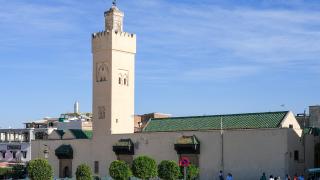
Visit Morocco's third-largest mosque, a 12th-century Almohad masterpiece. Observe the intricate architecture and history (note: non-Muslims may view from outside or specific areas depending on current regulations).
About 1.5 hours
-
10:30
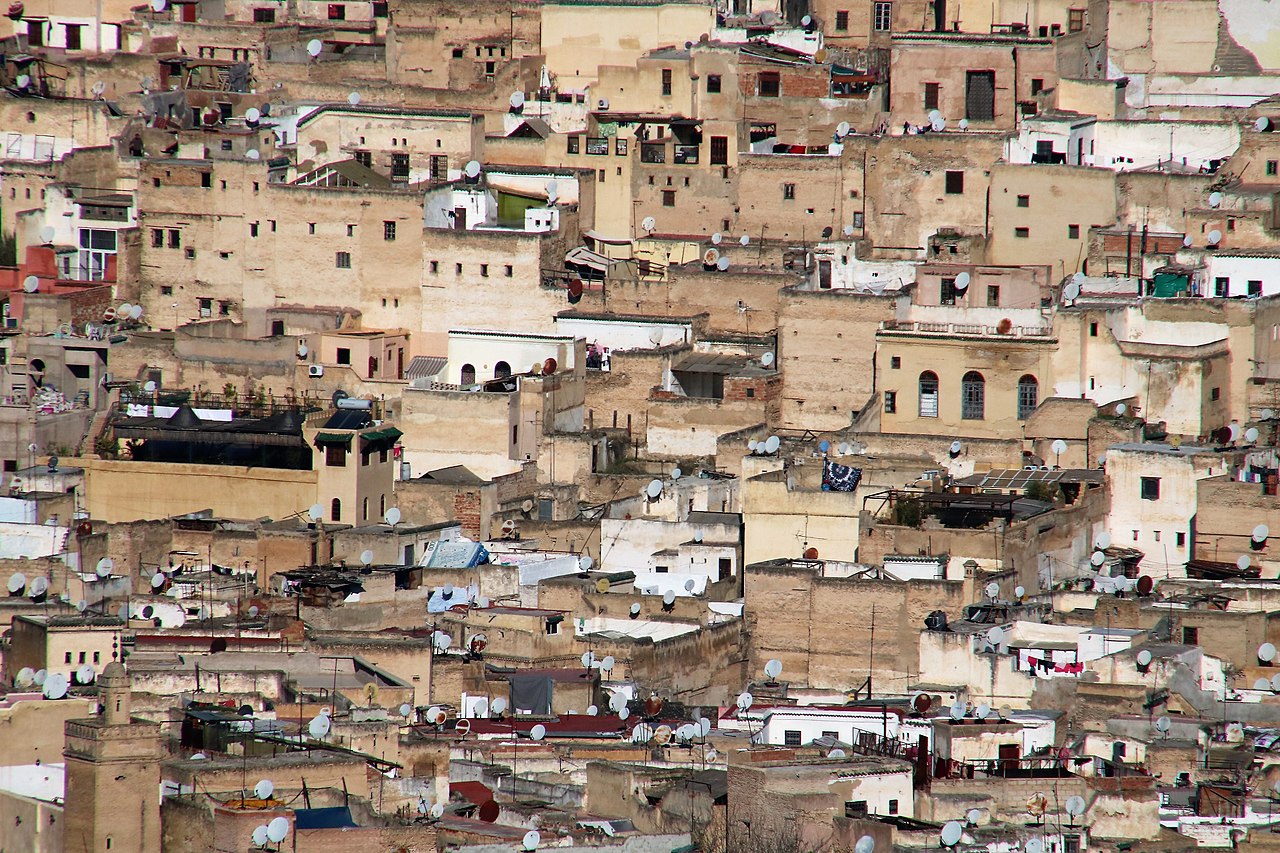
Explore the 16th-century fortified medina. Get lost in the souks, admire the traditional architecture, and observe daily life.
About 2 hours
-
12:30
Traditional Tagine Lunch
Enjoy a hearty tagine and fresh bread at a family-run eatery in the medina.
About 60 min
-
14:00
Place Sidi Bouabid
Visit the historic square and the mosque. This area is a hub of local activity and offers a glimpse into the spiritual heart of Salé.
About 60 min
-
15:30
Shopping and Souvenirs
Browse for local handicrafts, ceramics, and textiles in the medina souks.
About 2 hours
-
17:30
Afternoon Tea
Moroccan mint tea and pastries at a rooftop café.
About 60 min
- Meals:
- Lunch at Medina Souks; Snack at Rooftop Café
- Where to stay:
- Continue staying in Salé Medina.
- Getting around:
- Walking is the best way to explore the Medina. Use taxis only if tired.
-
09:00
-
Day 3: Modern Salé and River Views
Conclude the trip with a visit to the modern Bouregreg Marina and enjoy the contrast between old and new Salé.
-
09:30
Breakfast
Hearty breakfast with msemen and harira soup.
About 60 min
-
10:30
Transfer to Marina
Taxi or walk to the Bouregreg Marina area.
About 15 min
-
11:00
Stroll along the modern marina on the Bouregreg River. See the yachts, modern architecture, and the view of Rabat across the river.
About 2.5 hours
-
13:30
Lunch at the Marina
Seafood lunch with a view of the river and boats.
About 60 min
-
15:00
Riverfront Walk and Relaxation
Relax by the river, take photos, and enjoy the breeze before departure.
About 1.5 hours
- Meals:
- Breakfast at Hotel/Restaurant; Lunch at Bouregreg Marina
- Where to stay:
- Check out and depart.
- Getting around:
- Taxi recommended for Marina access if not walking.
-
09:30