The Atlantic’s Whispering Breath
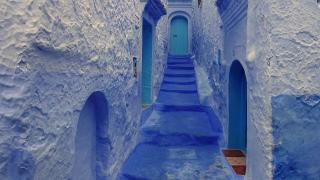
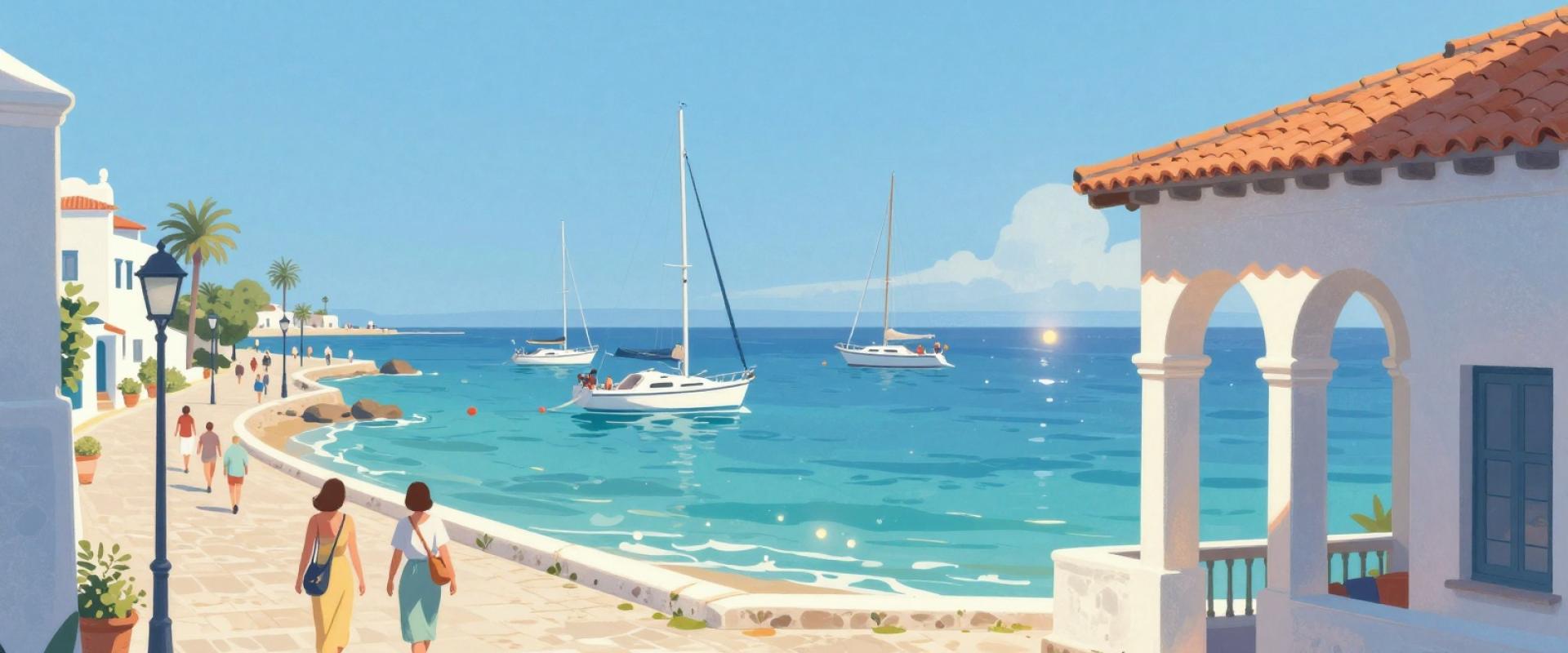
Inland, the Moroccan sun presses down with an unyielding weight, baking the earth into a shimmering haze. By the coast, however, the atmosphere undergoes a radical transformation. Rabat stands as a sophisticated refuge from the scorching interior, where the Atlantic breeze acts as a natural thermostat, softening the summer heat before it can take hold. Within the Kasbah of the Udayas, the architecture speaks directly to this maritime climate; white-washed walls and indigo doors are not merely aesthetic choices but practical responses to the light and air. The city’s layout, a careful blend of French colonial geometry and Andalusian heritage, creates shaded courtyards that invite you to linger rather than rush.
While Marrakech pulses with intense thermal energy, Rabat offers a quieter, more intellectual pace. Strolling along the Bouregreg River provides a natural respite, the salt-laden air serving as a gentle cooling agent against the skin. This coastal zone, stretching from Salé to Kénitra, defines a distinct Moroccan identity—one less concerned with fleeing the temperature and more focused on adopting a slower, contemplative rhythm.
Light plays across ancient ramparts, revealing a history shaped by the sea’s eternal embrace. These spaces encourage deep reflection amidst a vibrant tapestry of Arab, Berber, and European influences. Here, heat is not fought against but managed through harmony with natural elements. The result is a journey that feels both timeless and refreshingly cool, grounding the traveler in a sense of place that is uniquely serene.
The Atlantic wind bites at the northern promenade of Salé, offering a sharp, saline counterpoint to the inland furnace. This coastal chill transforms the region’s summer landscape, drawing visitors away from the sweltering 30°C+ temperatures found just miles away. Instead of the crowded, sun-baked beaches of Agadir, travelers find solitude along the Bou Regreg estuary. Here, shaded paths offer immediate relief, allowing for hours of walking without the friction of a tourist crowd.
Time behaves differently in Salé. While Marrakech demands constant attention, this city invites lingering. The unfinished Hassan Tower stands as a silent testament to Sultan Yacoub al-Mansur’s 12th-century ambitions, its stone ribs stark against the sky. The air carries the scent of wet stone and distant rain, grounding the experience in physical reality rather than abstract romance.
There is no grand spectacle here, only the quiet accumulation of small moments. The true character of the Rabat-Salé-Kénitra coast emerges not in noise, but in the stillness by the water. You do not need to be told to appreciate this; the cool breeze does the work for you.
Twilight Feasts by the Oceanographic
As the sun slips below the horizon, the stifling heat of the day finally breaks, replaced by a gentle Atlantic breeze that carries the sharp tang of salt. Around the Oceanographic Museum, the atmosphere shifts from a tourist hub to a serene culinary haven. Diners spill onto open-air terraces, drawn by the promise of fresh catches like grilled sardines or sea bass, with plates typically costing between 80 and 150 MAD.
Spices mingle with the cool evening air, grounding the experience in sensory detail. Light plays across the museum’s facade, casting long shadows that add historical weight to the simple act of eating. This coastal rhythm links the present meal to centuries of maritime tradition, creating a seamless connection between past and present. There is no need to rush; slowing down allows you to notice the harmony between nature and culture. The quiet reflection here feels earned, not forced, offering a moment to simply exist, tasting the sea and watching the day end.
Cinema Under the Stars
As the Atlantic heat dissipates, Rabat shifts into a different gear, transitioning from day to night with graceful ease.
The Odeon Theater opens its doors to the night sky, turning a summer evening into a communal event. Locals settle onto woven blankets, trading stories over glasses of sweet mint tea in a practice that mirrors old Berber traditions, where community ties are reinforced under the open heavens. Tickets run around 50 MAD, offering a relaxed yet stimulating environment where you can watch classic films while a coastal breeze keeps the air fresh. It feels like a natural fusion of modern cinema and traditional social life.
There is little reason to stay indoors when the stars are so clear. This experience links you directly to the city’s cultural pulse, providing a gentle break from the day’s rush. It proves that culture grows strongest when shared, inviting you to see this timeless Moroccan custom for yourself.