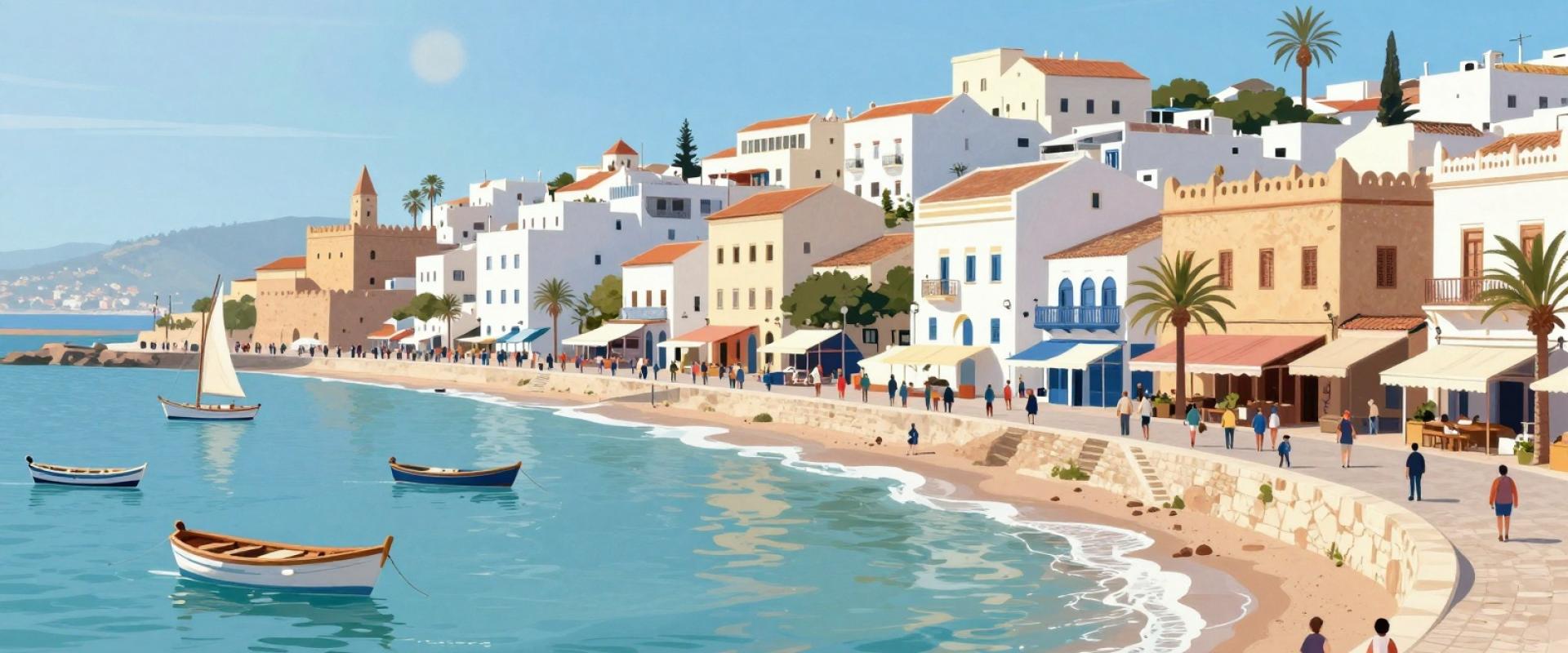
AI-generated illustration
Extended Tangier Experience
3-day Tangier itinerary covering medina, kasbah, and literary history
3 days
•
Moderate difficulty
•
Est. MAD 60
Day 1: Historic Heart & Colonial Charm
Explore the oldest parts of Tangier, starting with the Kasbah's royal history and moving through the winding medina alleys to the historic squares that defined the city's international era.
-
09:00
Kasbah Museum & Gardens
Visit the former sultan's palace to see Andalusian gardens, Roman mosaics, and traditional weaponry. The architecture offers a glimpse into Tangier's royal past.
-
10:30
Wander the Medina
Stroll through the ancient medina, admiring the Hispano-Moorish architecture and vibrant street life. Look for hidden courtyards and local artisans.
-
11:30
Tangier American Legation Institute
Visit the only U.S. National Historic Landmark overseas. Explore the museum dedicated to the history of U.S.-Morocco relations and the diplomatic site.
-
12:15
Grand Socco
Explore the historic main square blending Moroccan and colonial architecture. It's a hub of activity and a great spot for people-watching.
-
13:00
Place de France
Walk to the historic square known for its French colonial cafes and statues. This area was central to the international zone era of Tangier.
-
14:00
St. Andrew's Church
Visit this 1905 Moorish-style Anglican church, a unique architectural blend reflecting Tangier's diverse religious history.
Meals:
Lunch at Near Grand Socco
Where to stay: Stay in the Medina or near Place de France for easy access to historical sites.
Getting around: Most sites are within walking distance in the city center. Use petit taxis for longer hops if tired.
Day 2: Literary Legacy & Cliffside Views
Dive into Tangier's bohemian past with visits to famous cafes frequented by writers like Paul Bowles and William Burroughs, followed by breathtaking coastal views.
-
09:00
Parque de la Malika
Start with a peaceful morning walk in the historic Malika Palace gardens. Enjoy the lush greenery and panoramic views of the bay.
-
10:00
Petit Socco & Café Central
Visit the historic Petit Socco square. Stop at Café Central, once a hub for international bohemians and writers.
-
11:00
Cave of Hercules
Travel to the famous natural sea cave. The rock formation resembles the map of Africa. It's a significant mythological site and offers great photo ops.
-
12:30
Cap Spartel
Visit the cape where the Mediterranean Sea meets the Atlantic Ocean. See the lighthouse and enjoy the dramatic coastal scenery.
-
14:00
Café Hafa
End the afternoon at the legendary cliffside café. Enjoy mint tea and msemen while watching the sunset over the Strait of Gibraltar. Note: Cash only.
Meals:
Lunch at Near Cap Spartel or return to city
Where to stay: Same area as Day 1.
Getting around: Use a taxi or car for Cap Spartel and Cave of Hercules as they are on the outskirts. Walking is not practical for this leg.
Day 3: Coastal Caves & Local Life
Discover more natural wonders and relax in the local neighborhoods, experiencing the slower pace of Tangier life.
-
09:30
Cave of Zephyrus
Explore this natural rock formation shaped like Africa. It is less crowded than the Cave of Hercules and offers a unique geological perspective.
-
11:00
Cave of Swallows
Visit this lesser-known cave, often associated with local legends. It provides a quiet contrast to the busier tourist spots.
-
12:00
Medina Souks
Return to the Medina to browse the souks. Buy souvenirs, spices, and leather goods. This is the best time to experience the local market atmosphere.
-
13:30
Grand Socco Final Look
A final stroll through the Grand Socco area to see the bustling energy of the city before departure.
Meals:
Lunch at Medina Restaurant
Where to stay: Check out from accommodation.
Getting around: Walking and short taxi rides are sufficient for this day's activities.
Practical Information
The optimal time to visit Tangier is during the spring (March to May) or autumn (September to November), when temperatures are mild and comfortable for walking. Summer months can be humid and crowded, while winter brings cooler, wetter weather, though it remains generally mild compared to northern Europe. Tangier’s location on the Strait of Gibraltar means it is often windy, so pack layers to adjust to changing conditions throughout the day.
Getting to Tangier is straightforward via train from major Moroccan cities like Casablanca or Rabat, or by bus. The city is also accessible by ferry from Spain, particularly Algeciras or Tarifa, which is ideal for those combining a European and Moroccan trip. Once in Tangier, the medina and Kasbah are best explored on foot due to their narrow, winding streets. For longer distances or day trips, such as the nearby Chefchaouen, hiring a private driver or using local petit taxis is recommended. Always insist on using the meter or agreeing on a fare before starting your journey to avoid disputes.
For accommodation, staying within or near the medina offers the most authentic experience and easy access to key sites like Café Hafa and the Kasbah Museum. However, if you prefer modern amenities and quieter nights, consider hotels in the Ville Nouvelle, the newer part of the city, which is just a short walk from the old town. Budgets typically range from 400 to 800 MAD per day for mid-range travel, covering meals, local transport, and entry fees. Note that many traditional cafes and smaller vendors are cash-only, so always carry sufficient Moroccan Dirhams.
Pack lightweight, breathable clothing for daytime, but include a warm jacket or sweater for evenings and windy days. Comfortable walking shoes are essential for navigating the uneven cobblestones of the medina. Respect local customs by dressing modestly, especially when visiting religious sites or older neighborhoods. Carry a small daypack for water and souvenirs, and keep digital copies of your passport and travel insurance documents. Finally, be prepared for haggling in markets; it is expected and part of the local culture, but remain polite and firm in your negotiations.